





What's Happening?
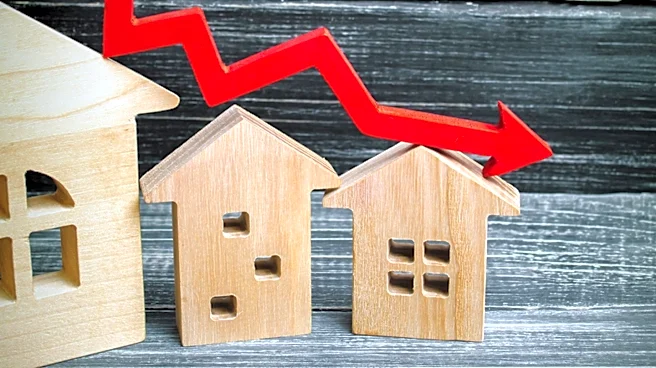
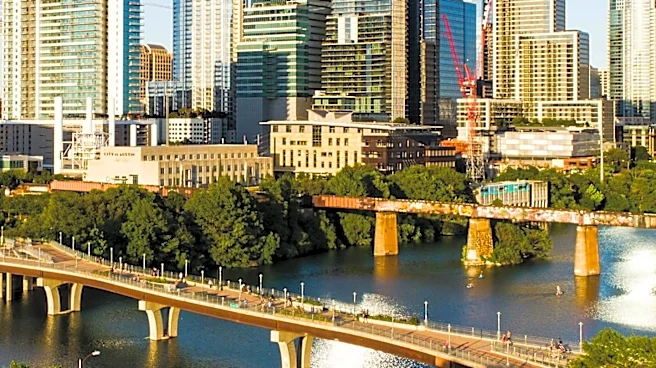
The real estate market in Austin, Texas, is experiencing a significant downturn, with home values and rental prices plummeting. Ryan McPherson, a homeowner who purchased a property in Austin during the housing boom of 2022, is now facing a potential loss
as the market has shifted dramatically. Since McPherson bought his home, asking prices in the Austin metro area have decreased by nearly 25%, making it the steepest decline among major U.S. cities, according to Realtor.com. The rental market is also struggling, with landlords offering discounts to attract tenants. The influx of new construction and rising mortgage rates have contributed to the market's slowdown. Many homeowners who bought during the peak are now seeing their properties valued below their purchase price, leading to financial losses.
Why It's Important?
The decline in Austin's real estate market is significant as it reflects broader trends affecting similar pandemic-era hotspots across the U.S. The rapid increase in home prices during the pandemic, driven by low mortgage rates and remote work, has reversed, impacting homeowners and investors. This downturn affects economic stakeholders, including real estate agents, developers, and homeowners, who are now facing financial challenges. The situation in Austin serves as a cautionary tale for other cities that experienced similar booms, highlighting the risks of rapid market fluctuations. The decline also underscores the importance of sustainable development and market stability to prevent such drastic shifts in the future.
What's Next?
As the market adjusts, homeowners like McPherson are considering selling at a loss to mitigate further financial strain. Real estate agents are adapting by becoming more selective with clients and exploring rental options to offset losses. The market may stabilize as sellers adjust prices to meet buyer expectations, and areas with strong fundamentals, such as good schools, may continue to attract interest. Long-term, experts predict a potential recovery as Austin remains a desirable location for young professionals and major employers. Builders are cautiously planning future developments, anticipating a rebound in demand by 2027.
Beyond the Headlines
The situation in Austin highlights the broader implications of rapid urban growth and the challenges of maintaining affordability in popular cities. The market's decline raises questions about the sustainability of housing booms and the need for balanced development strategies. It also emphasizes the importance of understanding market dynamics and the potential risks of speculative investments. As cities like Austin navigate these challenges, policymakers and developers may need to consider measures to ensure housing affordability and market stability, such as increasing housing supply and managing growth effectively.