





What's Happening?
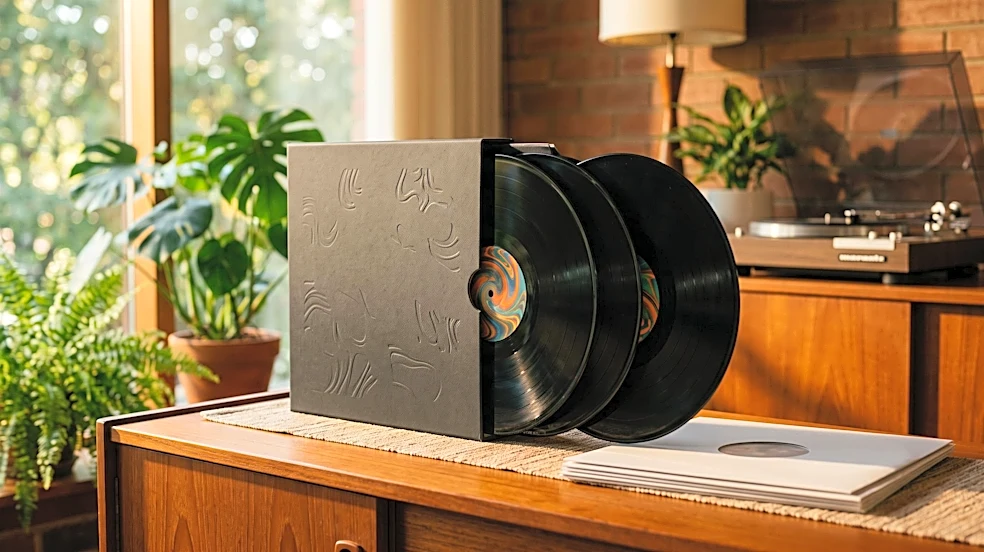
West Coast improvisational rock band Quicksilver Messenger Service is being honored with a seven-disc box set titled 'Who Do You Love? The Recordings 1967-1972'. This collection celebrates the band's contribution to the San Francisco music scene of the late
1960s and early 1970s, placing them alongside contemporaries like Jefferson Airplane and the Grateful Dead. The box set includes seven of their albums, bonus material, a live disc, and an informative booklet. The review highlights their debut album, 'Quicksilver Messenger Service' (1968), which showcased melodic folk rock, psychedelia, and jazz-influenced improvisational forays with its classic lineup of John Cipollina, Gary Duncan, David Freiberg, and Greg Elmore. Key tracks from the debut include 'Pride Of Man,' a cover of Hamilton Camp's spiritual folk classic, and the instrumental 'Gold and Silver,' demonstrating the guitar interplay between Duncan and Cipollina. The album's defining statement is the twelve-minute piece 'The Fool,' noted for its blend of composition and experimentation, featuring David Freiberg's vocals and viola, and choral harmonies from The Ace of Cups.
Why It's Important?
The release of this comprehensive box set is important for preserving and re-evaluating the legacy of Quicksilver Messenger Service, a band whose improvisational skills and experimental approach were central to the counterculture movement in the U.S. during the late 1960s. Their influence extended beyond the U.S., notably impacting bands in the UK. By compiling their significant recordings and live performances, the set offers a deeper understanding of their musical evolution and impact on rock music. It highlights how their willingness to break musical rules resonated with the era's ethos of protest and change. The detailed review of their early works, particularly the debut album and the live recordings, underscores their unique blend of genres and their pioneering role in developing extended instrumental improvisations, a hallmark of the psychedelic rock sound. This re-examination helps solidify their place in American music history, ensuring their contributions are not overshadowed by more widely recognized peers.
What's Next?
The release of 'Who Do You Love? The Recordings 1967-1972' will likely spark renewed interest in Quicksilver Messenger Service's discography and live performances. Music critics and fans will have the opportunity to delve into the band's evolution across their early albums and previously unreleased live material. This could lead to new analyses of their musical techniques, their role in the San Francisco sound, and their broader cultural impact. The inclusion of an informative booklet with an essay by Mike Mettler suggests an effort to provide scholarly context, which may encourage further academic and journalistic exploration of the band's history. For existing fans, the box set offers a definitive collection, while new listeners may discover the band's unique sound and improvisational genius, potentially expanding their audience and influence in contemporary music discussions.
Beyond the Headlines
Beyond the immediate celebration of Quicksilver Messenger Service's music, this box set illuminates the broader cultural and artistic landscape of the late 1960s and early 1970s in the U.S. The band's improvisational style and genre-bending approach were not merely musical choices but reflections of the era's counterculture, which sought to challenge established norms and explore new forms of expression. Their music, with its blend of folk, psychedelia, and jazz, embodied the spirit of experimentation and freedom that characterized the period. The set also highlights the collaborative nature of the San Francisco music scene, where bands influenced each other and shared a common ethos. The detailed analysis of their guitar work, particularly the interplay between John Cipollina and Gary Duncan, reveals a sophisticated musical dialogue that pushed the boundaries of rock instrumentation. This collection serves as a historical document, offering insights into how music became a powerful vehicle for social commentary and artistic innovation during a transformative period in American history.