


What's Happening?
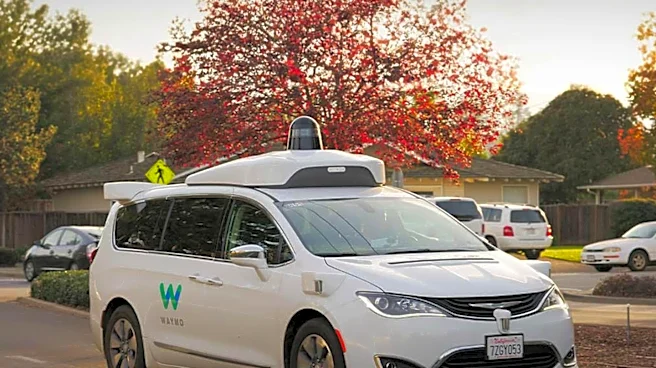
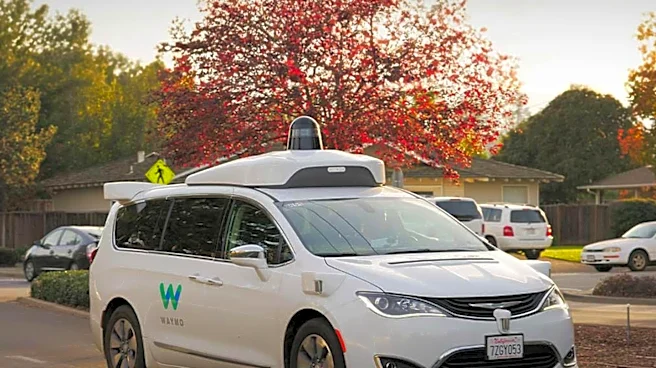
A recent study by the Insurance Institute for Highway Safety (IIHS) has found that Waymo's self-driving cars are involved in fewer crashes per vehicle mile traveled (VMT) compared to human drivers. The study analyzed crash rates in cities where Waymo operates,
including San Francisco, Phoenix, Los Angeles, and Austin. The findings indicate that Waymo vehicles have a 68% lower crash rate per VMT than human drivers, with significant reductions in single-vehicle crashes and crashes resulting in injuries. However, the study also highlights the challenges in comparing crash data due to differences in reporting standards and the lack of comprehensive data on autonomous vehicle mileage.
Why It's Important?
The study's findings are significant as they provide evidence supporting the safety potential of autonomous vehicles, which could lead to reduced traffic accidents and enhanced road safety. This is particularly relevant as self-driving technology continues to develop and expand into more urban areas. The results could influence public perception and regulatory policies regarding autonomous vehicles, potentially accelerating their adoption. However, the study also underscores the need for improved data collection and reporting standards to ensure accurate assessments of autonomous vehicle safety.
What's Next?
As the technology advances, there is a need for standardized data collection and reporting practices to better evaluate the safety of autonomous vehicles. This could involve regulatory changes requiring more detailed reporting of autonomous vehicle operations and incidents. Additionally, as more companies enter the autonomous vehicle market, similar studies could be conducted to compare safety records across different operators, further informing public policy and consumer trust.
Beyond the Headlines
The study highlights the broader implications of integrating autonomous vehicles into existing transportation systems. It raises questions about the future of urban planning, insurance, and liability in the event of accidents involving self-driving cars. The potential reduction in accidents could lead to changes in insurance models and legal frameworks, as well as influence public transportation strategies and infrastructure development.