







What's Happening?
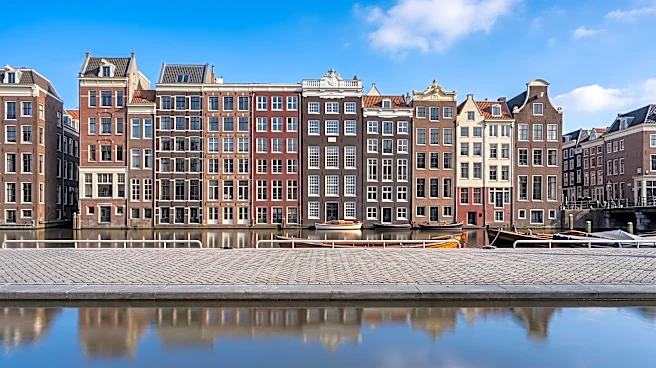
Travelers to Amsterdam are faced with the choice between private guides and group tours, each offering distinct advantages depending on individual preferences. Private guiding allows for a highly customizable experience, where the pace, route, and focus
can be tailored to the traveler's specific interests, such as architecture, local food, art, or historical neighborhoods. This format provides flexibility to adjust to changing conditions, like weather or fatigue, and allows for deeper engagement with specific topics through personalized conversation with the guide. In contrast, group tours operate on a fixed schedule and itinerary, designed to accommodate multiple participants. While offering a structured and often sociable introduction to the city, they prioritize the group's overall needs over individual curiosities or energy levels. The decision between these two options hinges on factors like desired pace, flexibility, the level of local insight sought, route choices, and the preferred social experience.
Why It's Important?
The choice between private guides and group tours in Amsterdam significantly impacts the quality and personalization of a travel experience. For U.S. tourists, this decision can determine whether their trip feels like a generic overview or a deeply immersive cultural exploration. Private guides cater to those seeking bespoke itineraries, which can be particularly valuable for families with varying interests or individuals with specific historical or artistic curiosities. This personalized approach can lead to a more memorable and satisfying trip, as travelers can delve into subjects that genuinely interest them, rather than adhering to a pre-set agenda. Conversely, group tours offer a cost-effective and convenient option for those who prefer a structured introduction to the city and enjoy the social aspect of traveling with others. The implications extend to the local tourism industry, as a preference for private tours could boost demand for specialized guides and niche experiences, while a strong preference for group tours supports larger tour operators and standardized offerings. Understanding these dynamics helps travelers make informed decisions that align with their travel style and objectives.
What's Next?
As the tourism industry continues to evolve, the demand for personalized travel experiences is likely to grow, potentially leading to an increase in the availability and specialization of private guides in destinations like Amsterdam. Travelers will likely see more options for tailor-made tours focusing on specific themes, such as sustainable tourism, culinary explorations, or in-depth historical studies. Tour operators may also adapt by offering 'hybrid' models that combine elements of both private and group tours, providing some level of customization within a structured framework. Additionally, technology will play a larger role in facilitating these choices, with advanced booking platforms and AI-driven itinerary planners helping travelers connect with guides who best match their interests. The ongoing evaluation of traveler feedback will also influence how tour providers refine their offerings, ensuring that the balance between flexibility and structure continues to meet diverse consumer needs. This trend suggests a future where travel experiences are increasingly curated to individual preferences.
Beyond the Headlines
The debate between private guides and group tours in Amsterdam highlights a broader shift in the travel industry towards experiential and personalized tourism. This trend reflects a desire among travelers, particularly from the U.S., to move beyond superficial sightseeing and engage more deeply with local culture, history, and daily life. The preference for private guiding underscores a growing value placed on authenticity and unique experiences, where the interaction with a local expert can transform a simple visit into a profound learning opportunity. This also touches upon the ethical considerations of tourism, as private tours can sometimes offer a more direct economic benefit to local guides and small businesses, fostering a more sustainable tourism ecosystem. Furthermore, the ability to adapt to individual needs, such as accessibility requirements or specific dietary preferences, makes private tours a more inclusive option. This evolution in travel preferences suggests a future where the 'one-size-fits-all' approach to tourism becomes less prevalent, giving way to more bespoke and meaningful journeys.