







What's Happening?
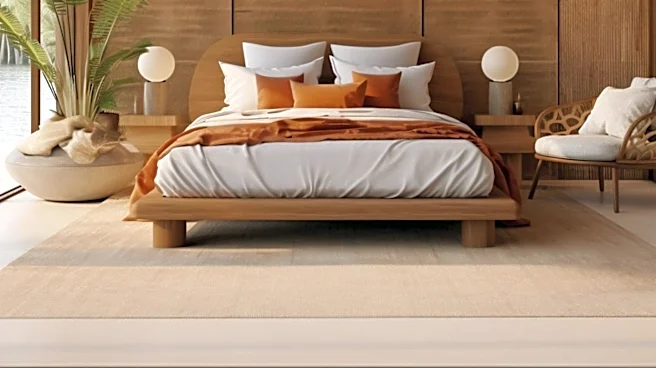
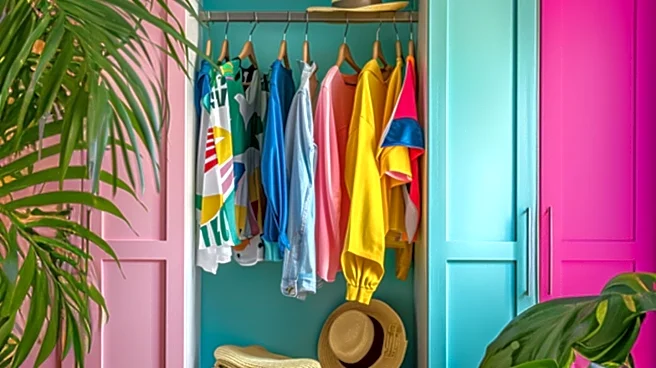
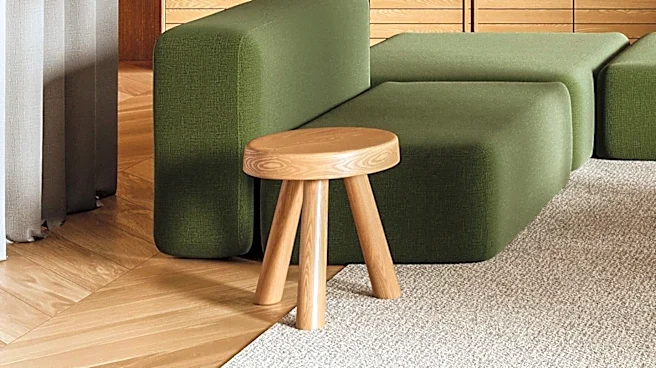
Designer Kelly Wearstler has collaborated with H&M Home to release a 29-piece furniture line and a ready-to-wear collection. The furniture line, which includes armchairs, tables, clothing racks, lighting, and decorative accents, is designed with modularity
in mind. This approach allows pieces to expand, adapt, and function independently, offering hundreds of possible configurations. For instance, lounge chairs can transform into 15-foot-long sofas, and stools can extend into benches. A two-piece trompe l’oeil vase also doubles as a light source. The collection's design was influenced by a shipping constraint requiring items to fit within a specific box size, which Wearstler turned into a creative opportunity for modularity. The collection debuted at Milan Design Week in a 17th-century Baroque palazzo, Palazzo Acerbi, which had never before hosted a Salone presentation. The immersive installation showcased the versatility of the collection through various vignettes, with pieces recurring in different ways to highlight their modular nature. The collection is now available in select stores and online.
Why It's Important?
This collaboration marks a significant expansion for H&M Home into the furniture market, moving beyond its traditional accessories offerings. By partnering with a renowned designer like Kelly Wearstler, H&M Home is elevating its brand image and appealing to a broader customer base interested in high-design aesthetics at more accessible price points. The modular nature of the furniture addresses contemporary consumer needs for versatile and adaptable home furnishings, particularly relevant for smaller living spaces or those who frequently reconfigure their interiors. This approach could influence other mass-market retailers to explore similar modular design strategies. Furthermore, the inclusion of a ready-to-wear collection alongside the home goods creates a holistic lifestyle offering, allowing consumers to integrate Wearstler's distinctive style into both their personal fashion and home decor. This cross-category expansion could set a new trend for designer collaborations in the retail sector, blurring the lines between fashion and home furnishings and potentially increasing market share for both H&M Home and its fashion counterpart.
What's Next?
The success of Kelly Wearstler's modular furniture and ready-to-wear collection for H&M Home could pave the way for future designer collaborations within the brand and across the broader retail landscape. H&M Home will likely monitor sales and customer feedback to determine the extent of future investments in furniture and lifestyle offerings. Other fast-fashion and home goods retailers may observe this venture closely, potentially leading to a trend of more accessible, designer-led home furnishing lines that prioritize versatility and adaptability. The modular design concept, driven by shipping constraints, could also become a more prevalent feature in furniture design, influencing how products are manufactured, packaged, and delivered. Consumers can anticipate more options for customizable and space-saving furniture solutions as this trend gains momentum. Additionally, the integration of fashion and home decor in a single collection might encourage other designers to explore similar cross-category ventures, offering a more comprehensive brand experience to their audience.
Beyond the Headlines
The collaboration between Kelly Wearstler and H&M Home highlights a broader shift in consumer culture towards accessible luxury and versatile design. The emphasis on modularity not only addresses practical concerns like shipping and space but also reflects a desire for personalization and adaptability in home environments. This trend suggests a move away from static, permanent furniture choices towards more dynamic and reconfigurable living spaces that can evolve with changing needs and preferences. Ethically, this partnership raises questions about the sustainability practices of fast-fashion retailers extending into home goods, particularly concerning material sourcing and the lifecycle of modular furniture. While modularity can reduce waste by allowing components to be replaced or reconfigured, the overall environmental impact will depend on H&M's production and material choices. Culturally, this collaboration democratizes high-end design, making it available to a wider audience and potentially influencing mainstream aesthetic preferences. It also underscores the increasing convergence of fashion, interior design, and lifestyle branding, where a designer's aesthetic can span multiple product categories to create a cohesive brand identity.