







What's Happening?
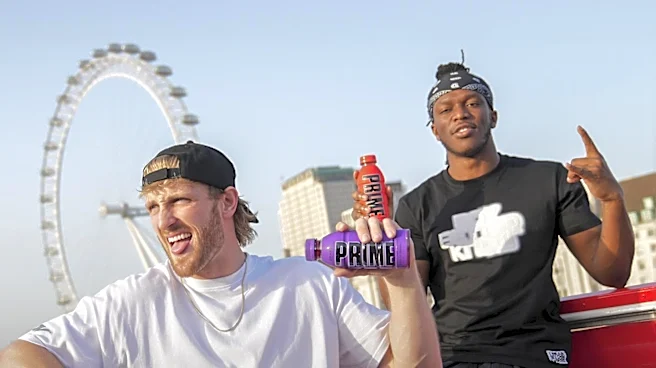
Prime Hydration, the beverage brand co-founded by influencers Logan Paul and KSI, is experiencing a substantial downturn in sales and profitability. Once a global phenomenon with bottles selling out rapidly and a secondary market emerging due to limited
availability, the brand's fortunes have reversed. In the first half of 2024, Prime's sales in the U.S. dropped by approximately 40% year-over-year, attributed to fewer new customers and decreased repeat purchases. The situation is even more severe in the UK, a former stronghold for the brand, where turnover plummeted from 112 million pounds to 32.8 million pounds, and net profit decreased by 91.6% to just 312,000 pounds. This decline has led the company to announce a strategic re-evaluation, moving from a phase of 'hyper-growth' towards long-term sustainable operations. Several major Czech supermarkets have also confirmed that Prime products have been delisted due to falling customer interest, with some citing the drink's composition as a reason for the drop in demand.
Why It's Important?
The significant decline of Prime Hydration highlights the volatile nature of influencer-driven businesses and the challenges of sustaining rapid growth in the beverage industry. The initial success of Prime was largely fueled by the massive reach of Logan Paul and KSI, transforming a simple drink into a status symbol, particularly among children and teenagers. However, the brand's reliance on this initial hype proved unsustainable. The composition of the drink, specifically its high potassium and low sodium content, raised health concerns among parents, contributing to a drop in demand. Furthermore, controversies surrounding the high caffeine content in Prime's energy drink variant led to regulatory issues in several countries and legal disputes, damaging the brand's reputation. This case serves as a cautionary tale for brands built primarily on influencer popularity, demonstrating that product quality, health considerations, and regulatory compliance are crucial for long-term viability, even with immense initial marketing power.
What's Next?
Prime Hydration is currently undergoing a strategic re-evaluation to transition from its initial hyper-growth phase to a more sustainable operational model. This shift will likely involve a focus on product development beyond its original hydration and energy drinks, as evidenced by its expansion into protein shakes and rehydration mixes. The company will need to address the health concerns and regulatory challenges that have plagued its energy drink line to regain consumer trust and market stability. Furthermore, the brand is losing major sports partnerships, such as with Arsenal and FC Barcelona, indicating a need to re-establish its market presence and appeal. The Australian subsidiary of Congo Brands, the majority owner of Prime Hydration, has entered compulsory administration, which will determine its future operations. The brand's ability to adapt its strategy, diversify its product offerings, and navigate ongoing controversies will be critical in determining its long-term survival and potential for recovery in the competitive beverage market.
Beyond the Headlines
The trajectory of Prime Hydration reflects broader trends in consumer behavior and the influence of social media on product cycles. The initial 'hype' generated by influencers created an artificial scarcity and desirability, leading to unprecedented sales. However, once the novelty wore off and the product became widely available, a significant portion of its 'magic' dissipated. This phenomenon underscores the difference between viral popularity and sustained brand loyalty, especially when the core product doesn't offer a unique or compelling value proposition beyond its association with celebrities. The health concerns raised about the drink's ingredients also highlight a growing consumer awareness and scrutiny of product formulations, particularly for items marketed to younger demographics. This situation could prompt other influencer-backed brands to prioritize product substance and long-term health considerations over short-term viral marketing tactics, leading to a more responsible approach to brand building in the digital age.