




What's Happening?
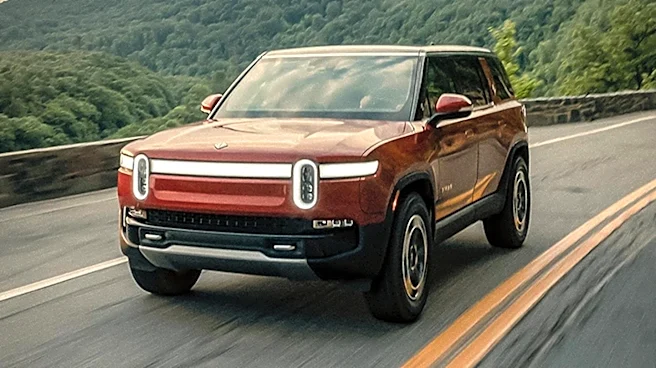
Honeywell Aerospace US LLC has filed a lawsuit in the U.S. District Court for the District of Arizona, accusing electric vehicle manufacturer Rivian Automotive of infringing seven of its patented vehicle technologies. The patents in question were originally
developed for aircraft but are alleged to be applicable to ground vehicles as well. These technologies cover a range of critical functions including vehicle safety monitoring, traffic display systems, autonomous navigation, sensor fusion displays, laser-based navigation, hazard detection, and software licensing management. Honeywell Aerospace, which spun off from Honeywell International Inc. in June, is seeking monetary damages, injunctive relief, and enhanced damages for what it claims is willful infringement, along with attorney fees. This legal action highlights a growing trend of intellectual property disputes in the rapidly evolving automotive technology sector, particularly as traditional aerospace and defense companies find their innovations relevant to new industries like electric vehicles.
Why It's Important?
This lawsuit carries significant implications for Rivian and the broader electric vehicle industry. For Rivian, a relatively young company still scaling its production and technology, a patent infringement ruling could result in substantial financial penalties, potentially disrupting its operational stability and future development plans. The demand for injunctive relief could force Rivian to alter or cease using certain technologies, impacting its vehicle features and production timelines. More broadly, this case underscores the increasing convergence of technologies across different sectors, particularly between aerospace and automotive. As vehicles become more sophisticated, incorporating advanced safety, navigation, and autonomous features, intellectual property developed in other high-tech fields becomes increasingly valuable and contested. This could set a precedent for how patents from established industries are applied and enforced in emerging markets like EVs, potentially leading to more cross-industry patent disputes and influencing the cost and pace of innovation.
What's Next?
The lawsuit will proceed through the U.S. District Court for the District of Arizona, where Rivian will likely file a response to Honeywell Aerospace's allegations. The legal process could involve extensive discovery, expert testimonies, and potentially a trial, which could span several months or even years. Rivian may explore options such as negotiating a licensing agreement with Honeywell Aerospace, challenging the validity of the patents, or demonstrating that its technologies do not infringe upon the claims. The outcome of this case could influence Rivian's product development strategy, potentially leading to redesigns or the adoption of alternative technologies if an injunction is granted. Furthermore, other electric vehicle manufacturers might closely monitor this case, as it could establish new legal precedents regarding the use of aerospace-derived technologies in ground vehicles, prompting them to review their own intellectual property portfolios and potential liabilities.
Beyond the Headlines
Beyond the immediate legal and financial ramifications, this lawsuit highlights the complex landscape of intellectual property in an era of rapid technological convergence. The dispute between Honeywell Aerospace and Rivian illustrates how innovations, once confined to specialized sectors like aviation, are now critical components in diverse industries. This trend raises questions about the adequacy of existing patent frameworks to address such cross-sector applications and the potential for 'patent trolls' or established players to leverage their IP against newer entrants. The case also touches upon the ethical considerations of technology transfer and the balance between protecting intellectual property rights and fostering innovation. If companies face excessive litigation over foundational technologies, it could stifle competition and slow down the development of crucial advancements in areas like vehicle safety and autonomy, ultimately impacting consumers and the pace of technological progress in the U.S. automotive market.