

What's Happening?
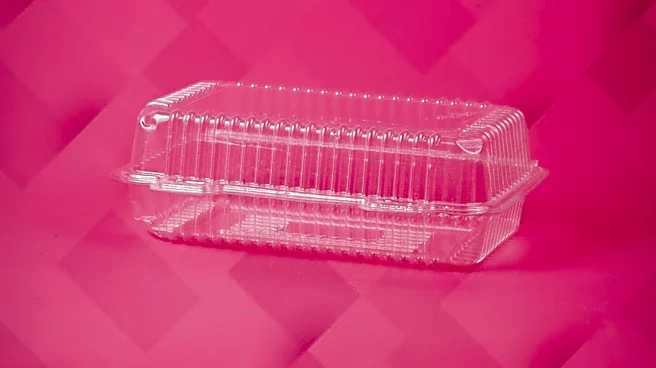
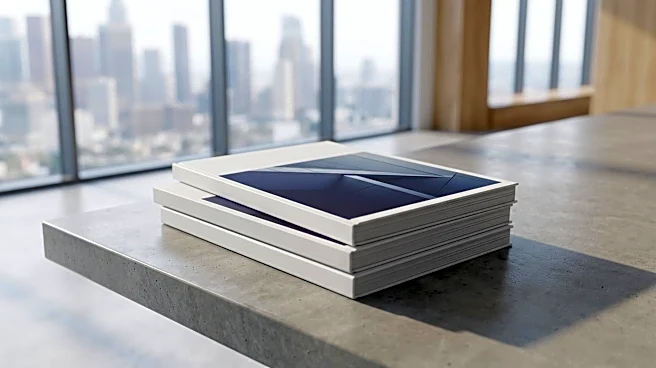
Custom bakery boxes are increasingly recognized as a crucial element in enhancing the consumer experience and strengthening brand identity for bakeries. Beyond their primary function of protecting baked goods during transport, these custom packages contribute
significantly to the overall presentation and perceived value of the product. For both commercial bakeries and home-based bakers, tailored packaging transforms a simple treat into a special occasion item, particularly for events like birthdays, holidays, and family gatherings. The design elements, such as logos, seasonal artwork, and personalized messages, build anticipation and create a memorable impression before the product is even consumed. Different baked goods necessitate specific packaging solutions; for instance, cupcakes require inserts to prevent movement, while cakes demand stronger structures and appropriate dimensions to avoid damage. This strategic approach to packaging helps small businesses differentiate themselves in a competitive market and fosters customer loyalty.
Why It's Important?
The emphasis on custom bakery packaging in the U.S. market reflects a growing consumer demand for personalized and aesthetically pleasing products. This trend impacts the business strategies of bakeries, requiring them to invest in design and packaging solutions that align with their brand image and product offerings. For consumers, well-designed packaging elevates the gifting and celebratory aspects of baked goods, making sweet moments more special. This also creates a competitive advantage for bakeries that prioritize presentation, as it can influence purchasing decisions and brand recall. The practical aspect of protection during transportation is also critical, reducing product damage and ensuring customer satisfaction. Furthermore, custom packaging serves as a powerful marketing tool, allowing bakeries to communicate their brand story, values, and contact information directly to consumers, thereby fostering a stronger connection and encouraging repeat business in the U.S. food industry.
What's Next?
The trend towards customized bakery packaging is expected to continue evolving, with bakeries likely exploring more sustainable and innovative materials to meet environmental concerns while maintaining aesthetic appeal. There will likely be an increased focus on packaging that not only protects but also enhances the unboxing experience, potentially incorporating interactive elements or unique opening mechanisms. Bakeries may also leverage seasonal and event-specific packaging more extensively to create limited-edition offerings and drive consumer engagement. The integration of digital elements, such as QR codes linking to recipes or brand stories, could also become more prevalent. For packaging suppliers, this means a growing demand for diverse and customizable options, requiring advancements in printing technologies and material science. The competitive landscape will likely see bakeries using packaging as a key differentiator, pushing for more creative and functional designs to capture consumer attention in the U.S. market.
Beyond the Headlines
The significance of custom bakery packaging extends into the psychological and cultural dimensions of consumer behavior. In a society increasingly driven by visual appeal and social media sharing, the 'Instagrammability' of a product, heavily influenced by its packaging, can significantly impact its popularity and reach. This highlights a cultural shift where the experience of consumption begins long before the first bite. Ethically, the choice of packaging materials also raises questions about environmental responsibility, pushing bakeries to balance aesthetic appeal with sustainability. The emotional connection fostered by thoughtful packaging, especially for celebratory occasions, underscores the role of food as a symbol of care and connection. This deeper implication suggests that packaging is not merely a container but an integral part of the emotional and social value proposition of baked goods, influencing how consumers perceive and interact with food brands in the U.S.