
What's Happening?
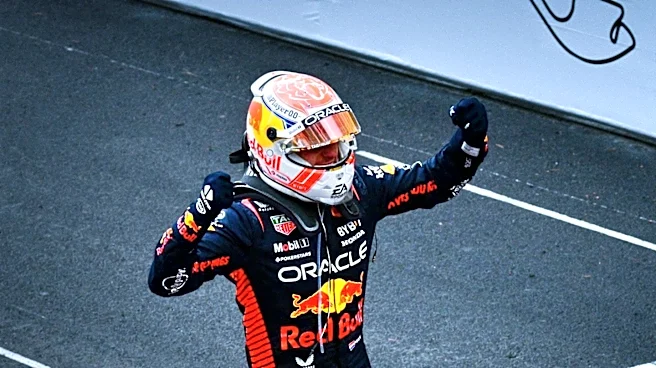
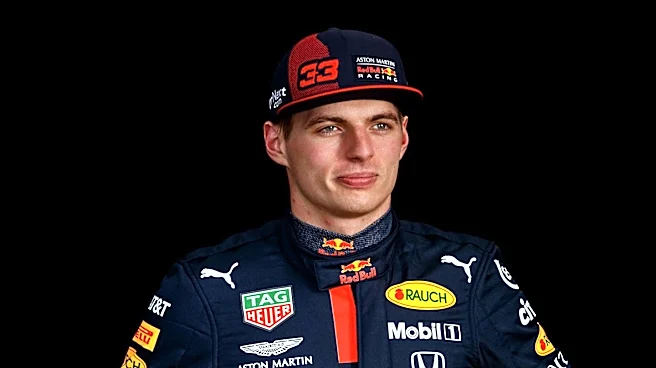
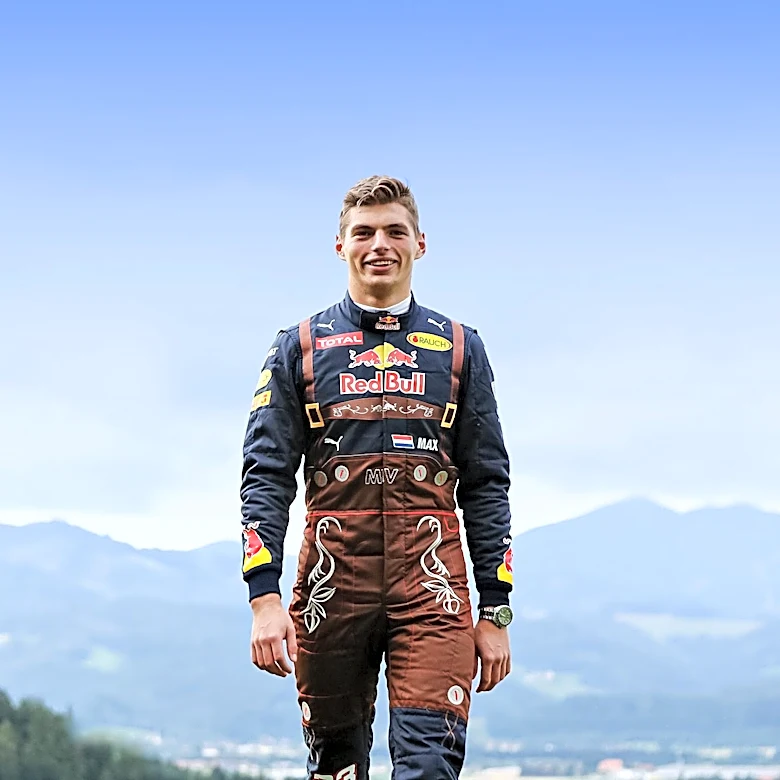
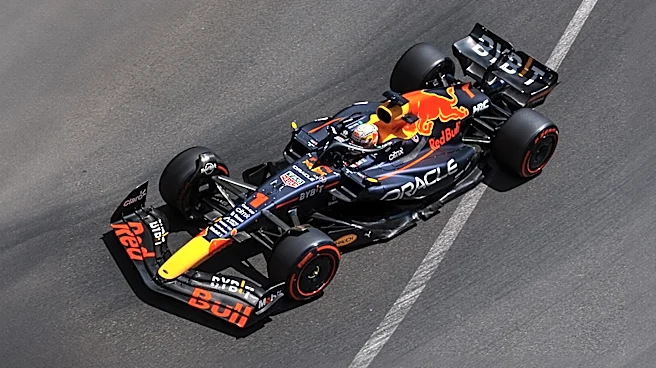
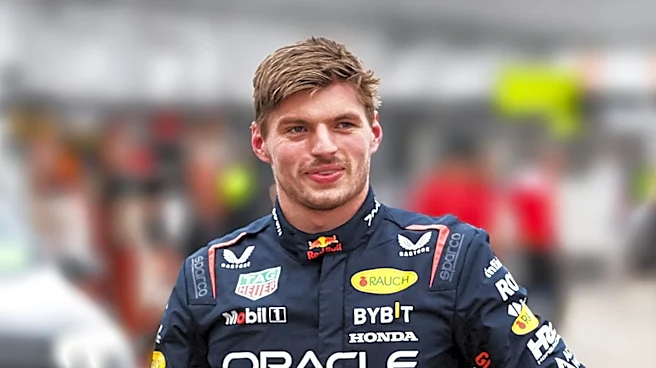
Stefano Domenicali, the chief of Formula 1, has revealed that Max Verstappen, a four-time world champion, has been directly involved in discussions regarding the sport's regulation changes planned for 2027. This comes at a time when Verstappen is experiencing
a challenging 2026 season, currently ranked sixth in the standings without a victory. The 2026 regulations introduced a 50-50 power split between electrical power and internal combustion engines, which has been controversial. Verstappen has been a vocal critic of these changes, particularly the energy-harvesting demands. The proposed 2027 regulations suggest a shift to a 58-42 split favoring combustion engines, with further changes anticipated in 2028. Domenicali's comments indicate that Verstappen is not just a critic but an active participant in shaping the sport's future technical direction.
Why It's Important?
The involvement of Max Verstappen in the regulation discussions highlights the significant influence top drivers have on the future of Formula 1. As a prominent figure in the sport, Verstappen's feedback could shape the technical landscape of F1, potentially affecting team strategies, car designs, and race outcomes. The proposed changes aim to address the criticisms of the current power unit formula, which could lead to a more competitive and engaging racing environment. This development is crucial for teams and manufacturers as they plan their future investments and strategies. Additionally, it underscores the importance of aligning the sport's evolution with the preferences of its key stakeholders, including drivers, teams, and fans.
What's Next?
As the Dutch Grand Prix approaches, attention will focus on Verstappen's performance and his future decisions. Whether he remains with Red Bull or explores other opportunities, his involvement in the regulation discussions suggests a continued commitment to the sport. The proposed changes for 2027 and beyond will require agreement from teams, manufacturers, and the FIA, indicating ongoing negotiations and potential adjustments. The outcome of these discussions will likely influence the competitive dynamics of F1 and could impact the sport's popularity and viewership.