


What's Happening?
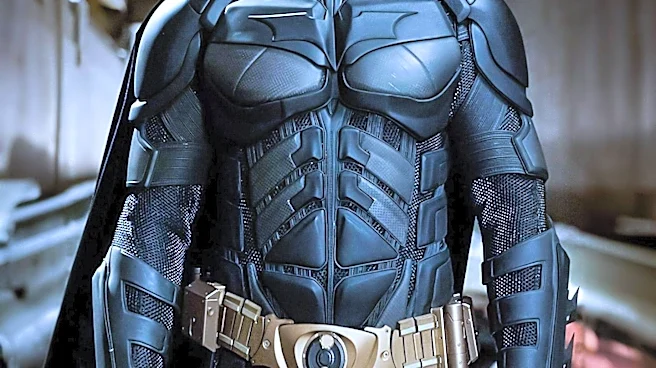
Several iconic Batman villains have been poorly adapted in DC movies, leading to fan disappointment. While some portrayals, like Jack Nicholson's Joker in 'Batman' (1989) and Colin Farrell's Penguin in 'The Batman' (2022), have been praised, others have fallen
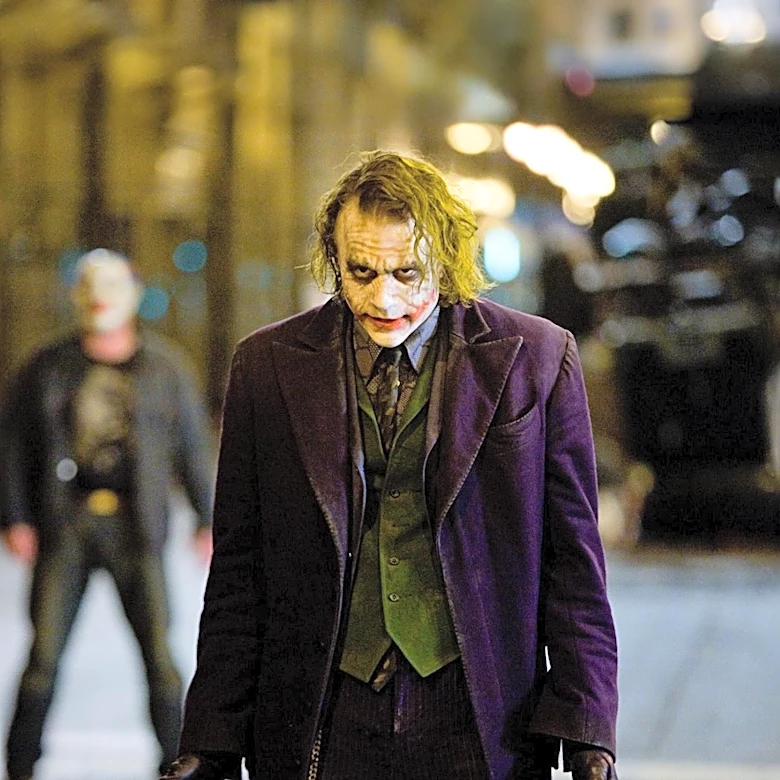
short. Mr. Freeze, despite a sympathetic backstory established in 'Batman: The Animated Series,' was reduced to an unserious joke villain with cheesy ice puns in 'Batman & Robin' (1997), played by Arnold Schwarzenegger. Poison Ivy, also in 'Batman & Robin,' suffered from poor writing, over-the-top acting by Uma Thurman, and unfaithful costume designs. Jared Leto's Joker in 'Suicide Squad' (2016) was criticized for his appearance, which included tattoos and a grill, deviating significantly from the character's classic look. Bane, a formidable opponent in comics, was wasted in 'Batman & Robin' as mere muscle for Poison Ivy and had a controversial portrayal in 'The Dark Knight Rises' (2012) where his origin and physical characteristics were altered.
Why It's Important?
The consistent misrepresentation of iconic Batman villains in live-action DC movies has significant implications for the franchise's long-term appeal and the broader superhero film genre. When beloved characters are poorly adapted, it can erode fan trust and diminish the perceived quality of the cinematic universe. This issue highlights the delicate balance filmmakers must strike between creative interpretation and faithfulness to source material, especially for characters with established histories and fan expectations. The financial success of superhero films often relies on the strength of their characters, and 'ruining' villains can lead to critical backlash and potentially lower box office returns. Furthermore, these missteps can influence future casting and directorial decisions, as studios may become more cautious or, conversely, double down on controversial interpretations, impacting the creative freedom of subsequent projects. The ongoing debate among fans about these portrayals underscores the importance of character integrity in popular culture.
What's Next?
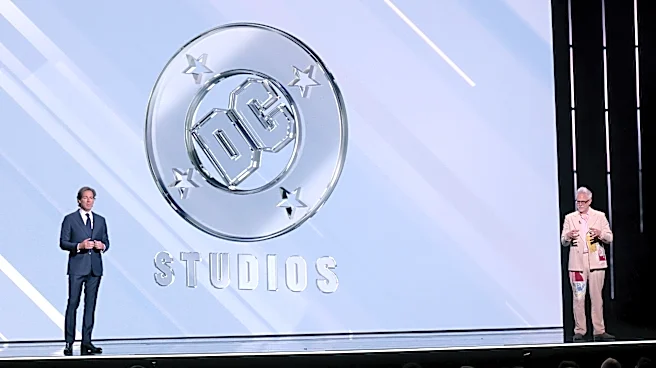
The ongoing criticism of past villain portrayals suggests that future DC movie adaptations will face increased scrutiny from fans and critics. With new DC Universe (DCU) projects in development, there is an opportunity for filmmakers to rectify past mistakes and deliver more faithful and compelling interpretations of these characters. The article mentions hopes for a proper portrayal of Talia al Ghul if Damian Wayne is featured in the DCU, and a new Poison Ivy series in development at HBO, indicating potential for redemption. Similarly, a Deathstroke and Bane film is hoped to address previous issues with Bane. The success of these upcoming projects will be crucial in rebuilding fan confidence and shaping the future direction of the DC cinematic universe, potentially leading to a more consistent and respected approach to character adaptation.
Beyond the Headlines
The phenomenon of 'ruined' villains in superhero cinema extends beyond mere character design or plot choices; it reflects a deeper tension between artistic vision and the commercial demands of a global franchise. Filmmakers often grapple with the challenge of introducing complex comic book lore to a mainstream audience while also satisfying long-time fans. This can lead to compromises that dilute character essence or alter established narratives. The backlash against certain villain portrayals also highlights the power of fan communities in shaping popular culture narratives. Their vocal disapproval can influence studio decisions, potentially leading to course corrections in future productions. This dynamic underscores the evolving relationship between creators, studios, and audiences in the digital age, where feedback is immediate and impactful, pushing for a more collaborative or at least responsive approach to adapting beloved intellectual properties.