








What's Happening?
Helion Energy, a fusion startup based in Everett, Washington, has signed a letter of intent with the U.S. Department of Commerce for a potential award of up to $175 million. This funding, provided through the CHIPS Research and Development Office, will
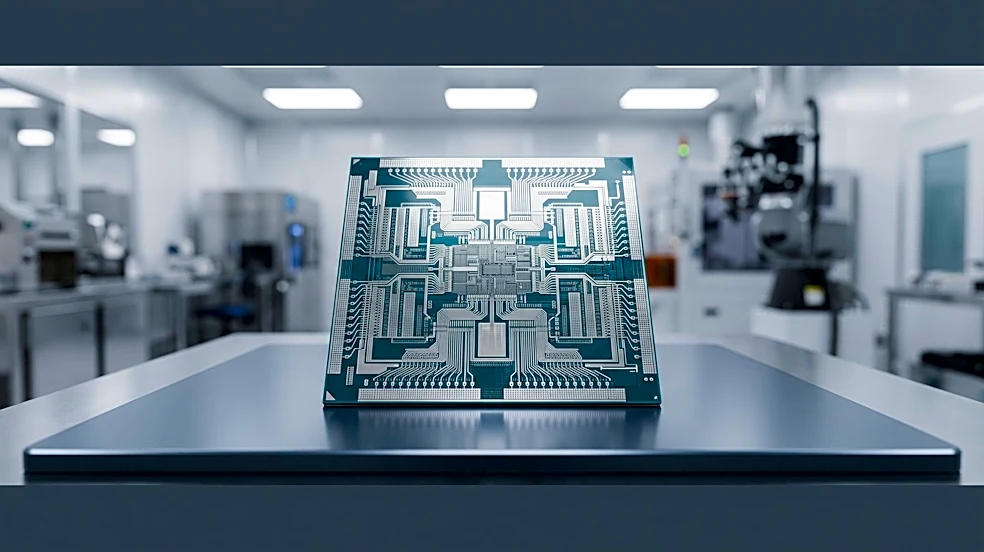
support a three-year program focused on advanced semiconductor technology for commercial fusion energy. Helion is also contributing $50 million in private investment to this semiconductor initiative. The program has two main areas: over $100 million will be allocated to R&D and manufacturing of next-generation, high-voltage semiconductors and advanced packaging in Everett, while approximately $80 million will support R&D for next-generation semiconductor development in partnership with GlobalFoundries, a chip manufacturer with operations in Vermont, New York, and overseas. The Commerce Department will receive a $175 million non-voting equity interest in Helion as part of the deal, which is still pending finalization.
Why It's Important?
This award is a significant step in bolstering the U.S. domestic supply chain for high-voltage semiconductors, which are critical components for advanced energy technologies like fusion. By investing in R&D and manufacturing within the U.S., the initiative aims to reduce reliance on foreign suppliers and enhance national security in key technological areas. The development of these specialized semiconductors is essential for Helion's fusion power plants, as they are designed to control electricity at high voltages with optimal efficiency. The project is expected to create over 100 jobs in Everett, including roles for materials scientists, semiconductor engineers, technicians, and assemblers, contributing to economic growth and skilled workforce development in the region. This investment aligns with the broader goals of the CHIPS and Science Act to strengthen American leadership in semiconductor research and production.
What's Next?
The funding from the CHIPS Research and Development Office is pending finalization, after which Helion can proceed with building out manufacturing and testing capacities. Concurrently, the company will conduct research and development for next-generation semiconductors. Helion plans to hire for various roles, including materials scientists and semiconductor engineers, to support the expansion of its semiconductor development and manufacturing efforts. While Helion currently sources semiconductors for its Orion fusion plant primarily from overseas vendors, some chips developed through this initiative are expected to be integrated into Orion, potentially late in its construction phase. Helion continues to fine-tune its fusion technology at its Everett facility and is building its commercial-scale fusion plant, Orion, in Malaga, Washington, with initial operations targeted for 2028.
Beyond the Headlines
The partnership between Helion Energy and the U.S. Department of Commerce, facilitated by the CHIPS Act, highlights a strategic convergence of national security, economic development, and cutting-edge energy research. By investing in semiconductors specifically tailored for fusion energy, the U.S. is not only addressing immediate supply chain concerns but also laying the groundwork for future energy independence and technological leadership. The non-voting equity interest taken by the Commerce Department in Helion signifies a novel approach to government investment, aligning public and private sector interests in critical technology development. This initiative could accelerate the commercialization of fusion energy, a long-sought goal that promises clean, abundant power, and further solidify the U.S.'s position at the forefront of advanced energy innovation.