




What's Happening?
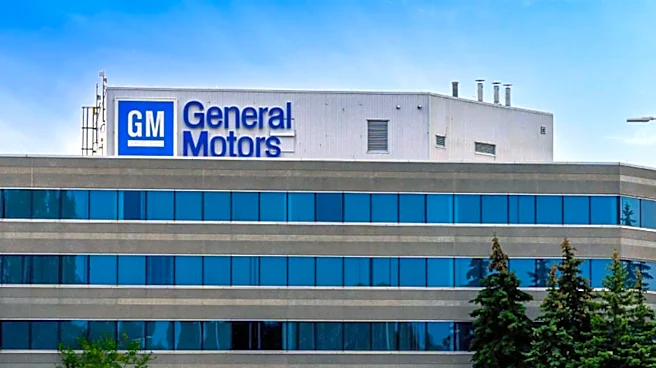
General Motors is highlighting the critical role of diagnostics in ensuring the reliability and safety of its Super Cruise hands-free driving assistance system. Lynn Huang, Software Test Engineering Manager at GM, leads teams in testing whether diagnostics logic
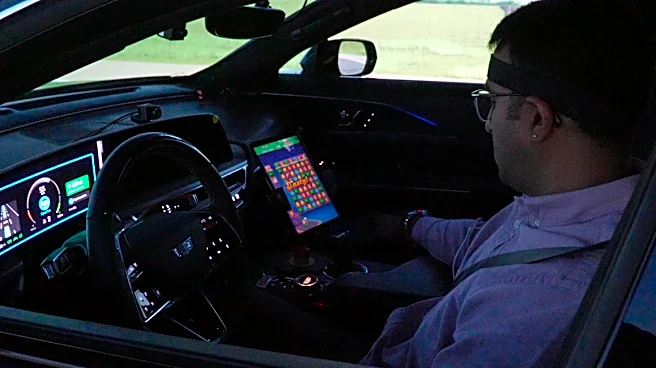
accurately reflects observed vehicle behavior before software reaches production. This process, referred to as 'shifting quality left,' aims to identify and resolve potential issues early in the development cycle. A recent example involved a complex diagnostics issue with the Driver Monitoring System (DMS), foundational to Super Cruise. Huang's team, collaborating with supplier experts, traced the control path from software to hardware, conducting bench and vehicle testing to validate the integrated system. This holistic approach was key to resolving the issue, ensuring that the steering wheel lights up green to indicate safe hands-free driving when the system is available and detects driver attention.
Why It's Important?
The rigorous diagnostics process for Super Cruise is vital for consumer safety and trust in autonomous driving technologies. As vehicles become more software-defined and complex, the ability to accurately diagnose and validate system behavior is paramount. This commitment to 'shifting quality left' not only enhances product reliability but also reduces potential recalls and safety incidents, which can have significant financial and reputational impacts on General Motors. For the U.S. automotive industry, GM's emphasis on comprehensive diagnostics sets a high standard for the development and deployment of advanced driver-assistance systems (ADAS). It underscores the industry's responsibility to ensure that cutting-edge technologies are thoroughly tested and validated, contributing to safer roads and accelerating the adoption of autonomous features.
What's Next?
General Motors will continue to refine and expand its diagnostics capabilities, particularly as Super Cruise and other ADAS technologies evolve. The lessons learned from complex issues like the DMS will inform future development processes, emphasizing system-level assessments over individual component checks. GM's ongoing investment in software test engineering and collaboration with suppliers will be crucial for integrating new sensors, software updates, and vehicle platforms. This continuous improvement cycle aims to enhance the performance, reliability, and safety of Super Cruise, potentially leading to its deployment in a wider range of vehicles and operating conditions. The company's focus on 'winning with integrity' suggests a sustained commitment to quality and safety in its advanced driving systems.
Beyond the Headlines
The detailed account of Super Cruise diagnostics reveals the immense complexity and interdependencies within modern automotive systems. It highlights that even with advanced automation, human judgment and cross-functional collaboration remain indispensable for solving intricate engineering challenges. The development of reliable ADAS like Super Cruise raises broader societal questions about the interaction between human drivers and automated systems, including issues of driver attentiveness, system limitations, and the psychological aspects of trust in technology. This ongoing evolution of vehicle intelligence also has implications for regulatory bodies, insurance companies, and infrastructure development, as they adapt to a future where vehicles are increasingly capable of autonomous operation. GM's approach to diagnostics is a microcosm of the broader industry's efforts to navigate these multifaceted challenges.