


What's Happening?
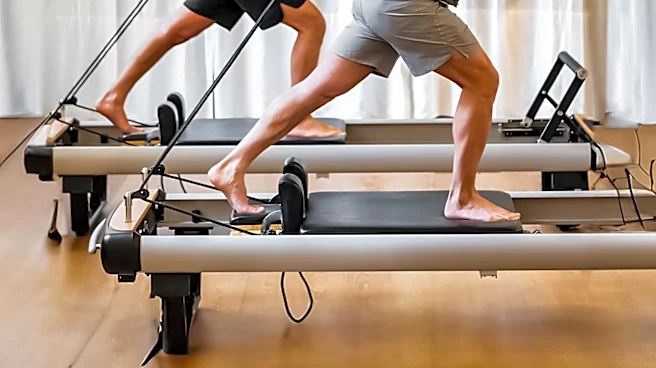
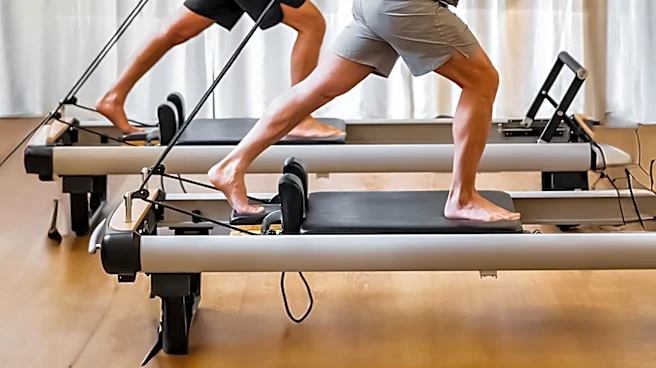
Reformer Pilates is a specialized form of Pilates that utilizes a unique piece of equipment called a reformer. This apparatus incorporates adjustable resistance through springs, a gliding carriage, straps, and a footbar to facilitate a wide array of exercises.
Unlike traditional mat Pilates, which primarily relies on body weight, the reformer provides support and challenge, making it suitable for individuals across all fitness levels. The adjustable springs allow users to modify resistance based on their capabilities and the specific movement being performed. Exercises on the reformer are characterized by slow, controlled movements that engage the core, aiming to improve strength, balance, flexibility, and coordination. The versatility of the reformer allows for exercises to be performed in various positions, including lying, sitting, kneeling, and standing, targeting multiple muscle groups throughout the body while promoting proper alignment and control. This method, which originated as a rehabilitation technique, has evolved into a popular fitness regimen.
Why It's Important?
Reformer Pilates offers significant benefits for individuals seeking a low-impact yet effective workout. Its joint-friendly nature, attributed to the carriage and spring resistance, makes it an excellent option for those looking to minimize impact on their joints while still achieving a comprehensive workout. This aspect is particularly important for individuals with joint sensitivities, those recovering from injuries, or older adults. The adaptability of the reformer supports every fitness level, from beginners learning fundamental movement patterns to experienced exercisers seeking advanced challenges and increased resistance. This scalability ensures that practitioners can progress at their own pace, continuously building strength and improving performance through progressive overload. The emphasis on core stability and posture can lead to improved spinal alignment and overall body awareness, which are crucial for daily activities and preventing musculoskeletal issues. Furthermore, the focus on controlled movements enhances flexibility and mobility by strengthening muscles through their full range of motion.
What's Next?
As Reformer Pilates continues to gain popularity, the accessibility of classes and specialized studios is likely to expand. Individuals interested in trying Reformer Pilates can expect to find classes offered at various gyms and dedicated Pilates studios. These classes are typically led by certified instructors who provide personalized guidance and modifications to suit individual needs and fitness levels. For beginners, starting with lighter resistance and foundational movements is recommended before progressing to more challenging exercises. As balance, coordination, and strength improve, practitioners can gradually increase resistance and explore new movements, potentially incorporating accessories like straps and reformer boxes. The ongoing evolution of Pilates as a fitness method suggests that new exercise variations and instructional approaches for the reformer may continue to emerge, further enhancing its appeal and effectiveness.
Beyond the Headlines
The growing popularity of Reformer Pilates highlights a broader trend in fitness towards mindful movement and holistic well-being. Beyond the physical benefits of strength and flexibility, the practice emphasizes the connection between mind and body through controlled movements and focused breathing. This approach can contribute to reduced stress and improved mental clarity, offering a more comprehensive wellness experience than purely high-intensity workouts. The low-impact nature of Reformer Pilates also aligns with an increasing demand for sustainable fitness practices that support long-term health and prevent injury, rather than solely focusing on short-term gains. This shift reflects a deeper understanding of the body's mechanics and the importance of functional strength for everyday life. The structured and guided environment of reformer classes, often with personalized attention, can also foster a sense of community and accountability, which are vital for consistent adherence to a fitness regimen.