




What's Happening?
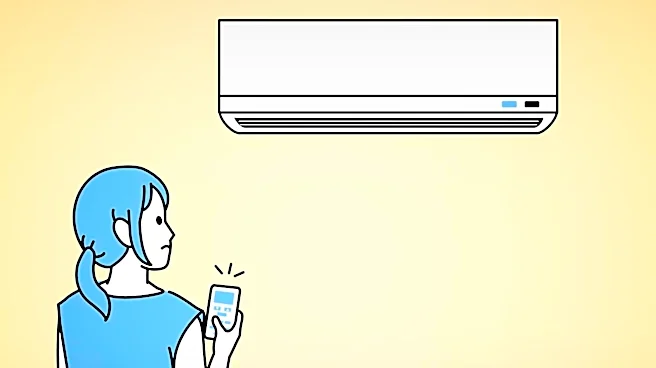
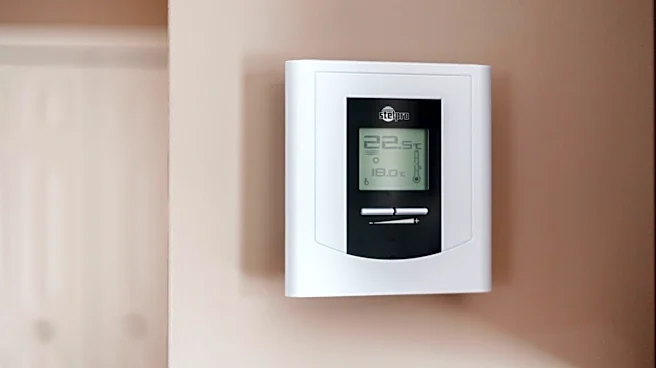
As the U.S. experiences a hot summer with high electricity prices, public officials and corporate websites recommend setting thermostats to 78 degrees Fahrenheit to save on energy costs. However, this one-size-fits-all approach may not be suitable for
everyone. Factors such as individual comfort, health conditions, and home insulation can affect the ideal temperature setting. Air conditioning can account for over 50% of a home's energy usage during summer, making it crucial to find a balance between comfort and cost. Alternative methods, such as using fans and keeping heat out, can help maintain comfort without excessive energy use.
Why It's Important?
The recommendation to set thermostats at 78 degrees during heatwaves highlights the broader issue of energy efficiency and cost management in households. With air conditioning being a significant contributor to energy bills, finding the right balance is essential for financial and environmental reasons. This discussion is particularly relevant as climate change leads to more frequent and intense heatwaves, increasing the demand for cooling solutions. Understanding the nuances of energy consumption and personal comfort can help households make informed decisions that align with their financial capabilities and health needs.
What's Next?
As heatwaves become more common, there may be increased emphasis on developing and promoting energy-efficient cooling technologies and practices. Public awareness campaigns could focus on educating consumers about alternative cooling methods and the importance of home insulation. Additionally, utility companies and governments might explore incentives for energy-efficient appliances and home improvements. The conversation around thermostat settings could also lead to broader discussions about energy policy and the need for sustainable solutions to meet rising energy demands.
Beyond the Headlines
The debate over thermostat settings during heatwaves touches on deeper issues of energy equity and access. Low-income households may struggle to afford the energy costs associated with air conditioning, highlighting the need for policies that address energy affordability and support vulnerable populations. Furthermore, the reliance on air conditioning raises questions about the environmental impact of increased energy consumption and the role of renewable energy in mitigating these effects. As society grapples with the challenges of climate change, finding sustainable and equitable solutions for cooling needs will be crucial.