



What's Happening?
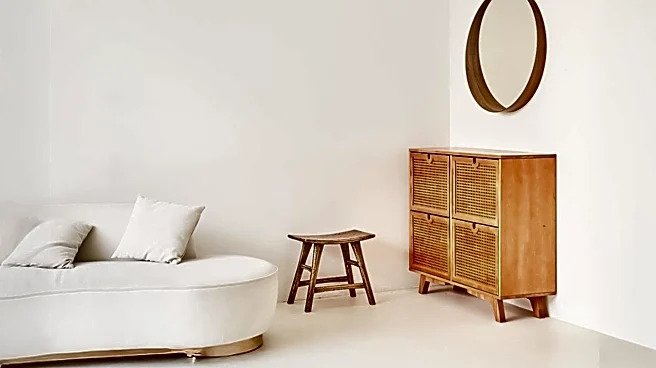
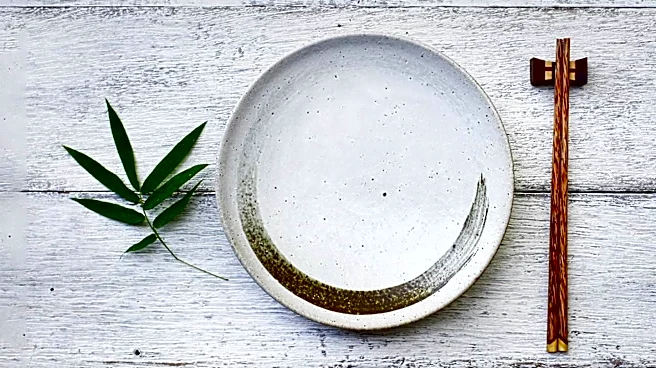
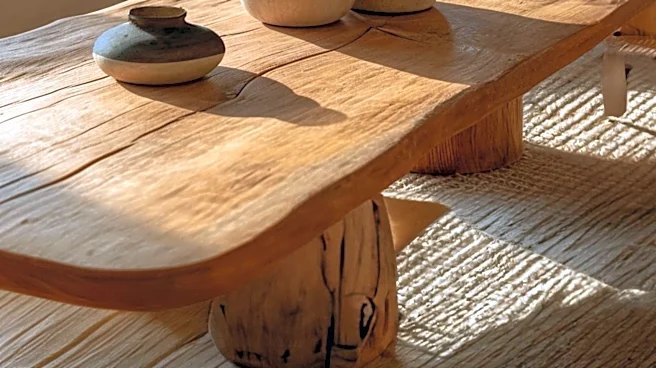
The Japanese design philosophy of Wabi-Sabi is gaining prominence in modern home décor, emphasizing the beauty found in imperfection, simplicity, and natural forms. This aesthetic, which embraces the character and history of objects rather than striving
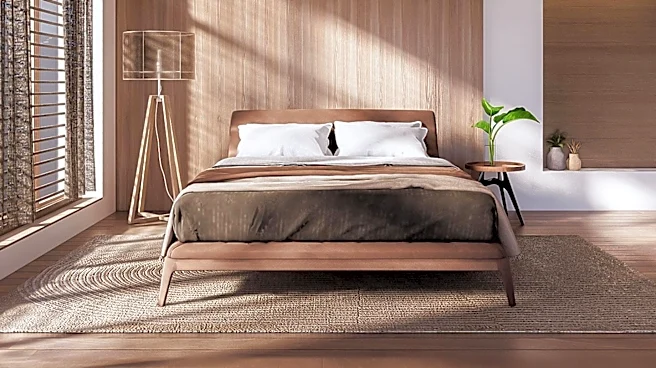
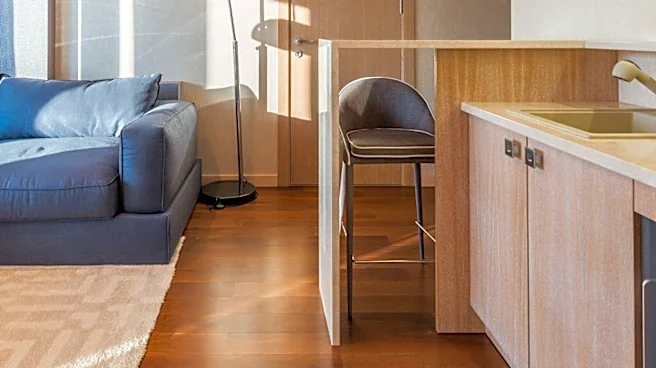
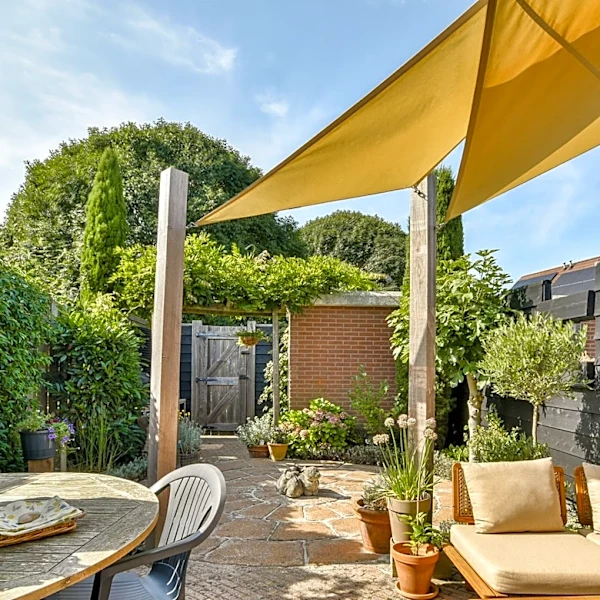
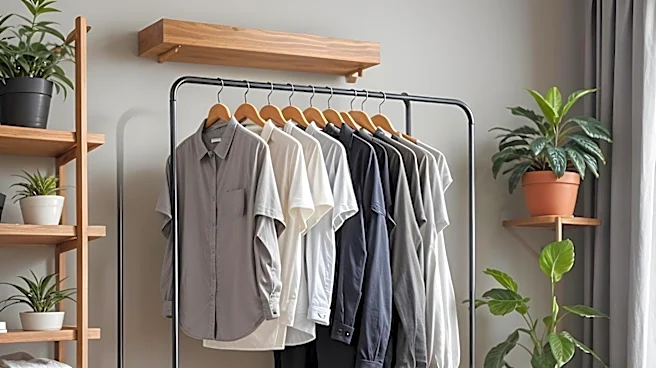
for flawless perfection, is being integrated into various design elements, including art, garden design, and interior spaces. It promotes a sense of tranquility and lived-in warmth, moving away from sterile, overly polished environments. The concept is often seen in conjunction with Japandi design, a fusion of Japanese and Scandinavian aesthetics, which combines Wabi-Sabi's principles of imperfection and impermanence with Scandinavian hygge and functionality. This blend creates spaces that are both tranquil and practical, prioritizing quality over quantity and promoting a decluttered, purposeful living environment.
Why It's Important?
The growing adoption of Wabi-Sabi in U.S. home décor signifies a shift in consumer preferences towards more mindful and sustainable living. This trend impacts the interior design industry, furniture manufacturers, and retailers, encouraging a focus on natural materials, handcrafted items, and designs that celebrate uniqueness rather than mass-produced uniformity. For consumers, it offers an alternative to fast-paced, trend-driven consumption, promoting longevity and appreciation for items with character. This philosophical approach can also influence mental well-being, as creating a home environment that embraces imperfection and simplicity can foster a sense of calm and reduce the pressure to maintain an unrealistic ideal of perfection. The emphasis on natural materials and craftsmanship also supports artisans and small businesses, potentially boosting local economies and traditional crafts.
What's Next?
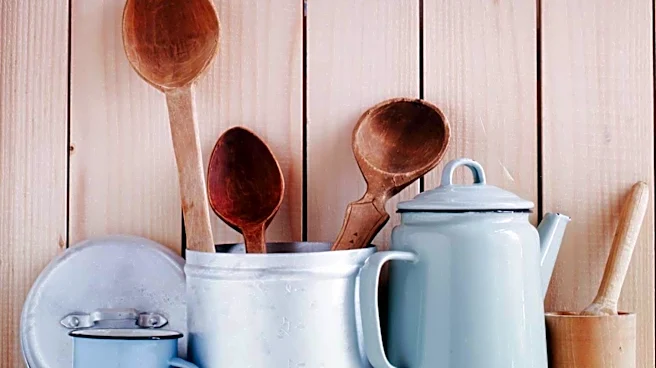
The continued integration of Wabi-Sabi principles is likely to influence product development in home goods, with an increased demand for items that showcase natural textures, irregular shapes, and a handmade feel. We can expect to see more furniture and décor made from reclaimed wood, natural fibers, and ceramics with visible imperfections. Interior designers may increasingly incorporate elements like exposed brick, aged metals, and minimalist arrangements that highlight the inherent beauty of materials. Educational initiatives and workshops on Wabi-Sabi and Japandi design could also become more prevalent, as consumers seek to understand and apply these philosophies in their own homes. This trend may also lead to a re-evaluation of what constitutes 'luxury' in home design, shifting from ostentatious displays to understated elegance and authenticity.
Beyond the Headlines
Beyond its aesthetic appeal, the embrace of Wabi-Sabi reflects a deeper cultural shift towards valuing authenticity and sustainability. In a society often driven by consumerism and the pursuit of perfection, Wabi-Sabi offers a counter-narrative, encouraging acceptance of transience and the beauty of natural decay. This philosophy can extend beyond home décor, influencing broader lifestyle choices, such as fashion, art appreciation, and even personal well-being. It challenges the notion that newness and flawlessness are superior, instead promoting a more grounded and appreciative approach to life. The emphasis on simplicity and purpose can also contribute to a reduction in waste and a more conscious approach to consumption, aligning with growing environmental concerns and the desire for a less cluttered existence.