





What's Happening?
Dubai, a prominent city in the United Arab Emirates, provides a wide array of free outdoor activities for both its residents and visitors. These activities range from exploring historical neighborhoods and wildlife sanctuaries to enjoying modern attractions
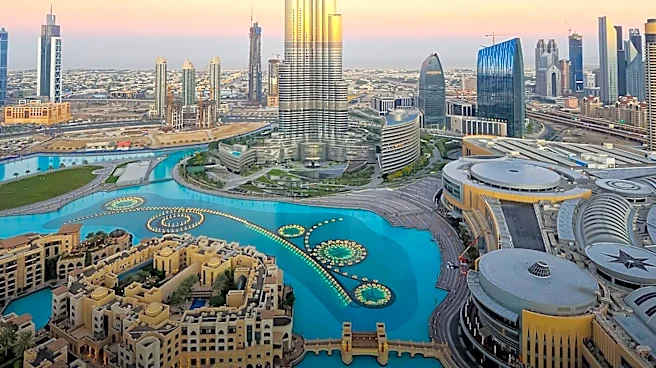
and natural landscapes. Key free attractions include the Al Fahidi Historical Neighbourhood, which showcases traditional Emirati architecture, and Al Seef Dubai, offering views of Dubai Creek. Nature enthusiasts can visit the Ras Al Khor Wildlife Sanctuary, home to over 20,000 birds, including flamingos, and the man-made Love Lakes in Al Qudra Oasis. For those seeking active pursuits, Dubai features numerous cycling tracks, such as the Al Qudra route and paths in Nad Al Sheba, Al Barsha Park, and Mushrif Park. The city also boasts free public beaches, some of which are dog-friendly, and designated areas for night swimming. Cultural experiences include admiring the exterior of the Museum of the Future, the Dubai Fountain shows, and the Imagine Show at Dubai Festival City. Additionally, visitors can explore various murals and street art in areas like Karama, Satwa, JBR, and DIFC, or enjoy the golden dunes of the desert near Al Qudra.
Why It's Important?
The availability of numerous free outdoor activities in Dubai is significant for several reasons. Economically, it enhances the city's appeal as a tourist destination by offering budget-friendly options, potentially attracting a broader demographic of travelers who might be deterred by the perception of Dubai as an exclusively high-cost destination. This can lead to increased foot traffic in various areas, indirectly benefiting local businesses through incidental spending on food, beverages, and other services. Socially, these free attractions promote public well-being by encouraging outdoor recreation and physical activity among residents. They also provide accessible cultural and historical experiences, fostering a deeper appreciation for Emirati heritage and the city's modern development. The inclusion of dog-friendly beaches and extensive cycling networks reflects a growing emphasis on diverse recreational needs and sustainable urban living. Furthermore, by highlighting its natural beauty and cultural sites, Dubai diversifies its tourism offerings beyond luxury shopping and entertainment, positioning itself as a more holistic and accessible global city.
What's Next?
Dubai is expected to continue developing and promoting its free outdoor attractions to sustain its appeal as a global tourist and residential hub. Future initiatives may focus on expanding existing cycling and running tracks, enhancing public park facilities, and potentially introducing more accessible cultural events and art installations. There could be increased efforts to integrate these free activities into broader tourism campaigns, emphasizing the city's commitment to offering diverse experiences for all budgets. Local authorities might also explore partnerships with private entities to maintain and upgrade these public spaces, ensuring their long-term sustainability and quality. Additionally, as the city grows, there may be a focus on creating more green spaces and natural reserves to balance urban development with environmental preservation, further enriching the free outdoor offerings. The ongoing development of infrastructure, such as new pedestrian bridges and viewing points, will likely continue to enhance accessibility and enjoyment of these attractions.
Beyond the Headlines
The extensive provision of free outdoor activities in Dubai reflects a strategic urban planning philosophy aimed at enhancing livability and broadening the city's global image. Beyond the immediate economic and social benefits, this approach contributes to a more inclusive urban environment, challenging the stereotype of Dubai as solely a city of opulence. It underscores a commitment to public spaces and community well-being, fostering a sense of belonging for residents and offering authentic experiences for visitors. The integration of historical sites, natural landscapes, and modern architectural marvels into accessible public offerings highlights a nuanced balance between preserving heritage and embracing innovation. This strategy also subtly promotes a healthier lifestyle, encouraging physical activity and engagement with nature in a rapidly urbanizing environment. Ultimately, these free attractions are not just about cost-saving; they are about creating a more diverse, engaging, and sustainable urban fabric that caters to a wide spectrum of interests and promotes a higher quality of life.