








What's Happening?
Novo Nordisk has discontinued two late-stage clinical trials, HERMES and ATHENA, for its experimental heart drug ziltivekimab. The decision was made after a data monitoring committee determined that the trials were unlikely to achieve their primary endpoints.
Ziltivekimab was being investigated for its potential to improve cardiovascular health by targeting inflammation. This halt follows a previous setback with the drug in the ZEUS trial, which, despite showing a reduction in inflammation markers, failed to demonstrate a decrease in major clinical complications such as deaths and heart attacks. Novo Nordisk, a Danish multinational pharmaceutical company known for its leadership in diabetes care and metabolic health, informed trial investigators of the decision on Friday. The company's core product portfolio includes diabetes therapies, incretin-based treatments, and treatments for hemophilia and other rare bleeding disorders. This development impacts their cardiovascular research pipeline.
Why It's Important?
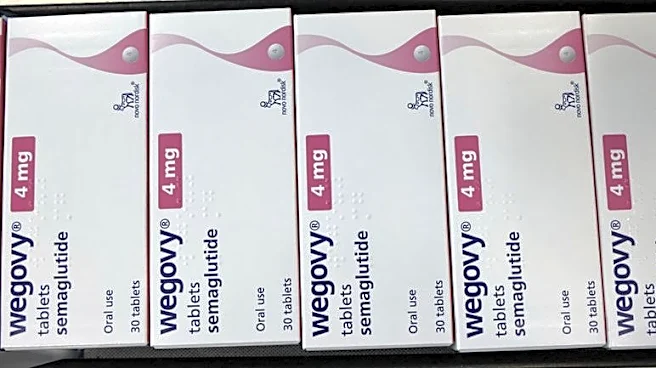
This decision by Novo Nordisk is significant for the pharmaceutical industry, particularly in the cardiovascular and inflammation research sectors. The repeated failure of ziltivekimab, despite its ability to lower inflammation markers, highlights the complexities of developing effective treatments for cardiovascular diseases and the challenges of translating biomarker improvements into tangible clinical benefits. For Novo Nordisk, this represents a setback in its efforts to diversify beyond its highly successful GLP-1 receptor agonist franchise, which includes drugs like Ozempic and Wegovy for diabetes and weight management. The company has been a major commercial and scientific driver in the GLP-1 space, but this trial halt underscores the risks inherent in pharmaceutical R&D and the difficulty of expanding into new therapeutic areas. Investors and competitors will be closely watching how this impacts Novo Nordisk's long-term pipeline strategy and its financial outlook, especially as it faces intense competition in the GLP-1 market from companies like Eli Lilly.
What's Next?
Following the discontinuation of the HERMES and ATHENA trials, Novo Nordisk will likely re-evaluate its strategy for cardiovascular disease research, particularly concerning inflammation-targeting therapies. The company may shift its focus to other compounds in its pipeline or explore different mechanisms of action for cardiovascular improvement. This setback could also lead to increased scrutiny of its R&D investments and a potential reallocation of resources towards its more successful metabolic health division. For the broader pharmaceutical industry, the outcome of these trials may influence future research directions in cardiovascular inflammation, potentially prompting a re-assessment of current approaches and a search for more robust therapeutic targets. Competitors will continue to advance their own cardiovascular pipelines, potentially gaining an advantage in this therapeutic area. Novo Nordisk's upcoming capital markets day, where analysts expect a new strategy to be unveiled, will be a key event to watch for insights into the company's future direction.
Beyond the Headlines
The repeated failures of ziltivekimab, despite its anti-inflammatory effects, raise deeper questions about the understanding of inflammation's role in cardiovascular disease progression and the efficacy of targeting it as a standalone treatment strategy. This situation underscores the intricate nature of chronic diseases and the limitations of relying solely on biomarker modulation. It highlights the ongoing challenge in drug development to bridge the gap between preclinical promise and clinical reality, where complex biological systems often defy simplistic interventions. Furthermore, this event could prompt a broader discussion within the scientific community about the need for more sophisticated models and predictive biomarkers in cardiovascular research to avoid costly late-stage trial failures. For patients, it means that effective, novel treatments for cardiovascular diseases, particularly those targeting inflammation, remain an unmet medical need, emphasizing the urgency for continued, innovative research in this critical area.