
What's Happening?
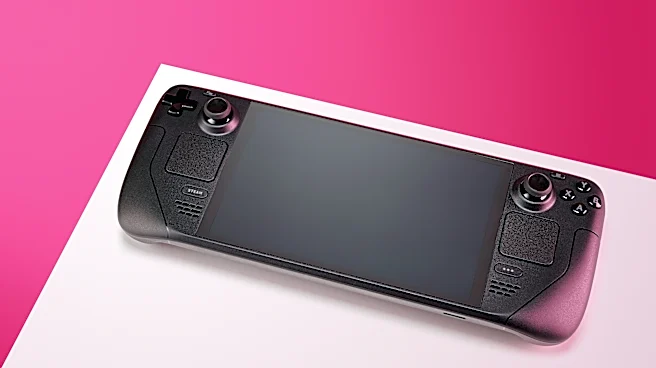
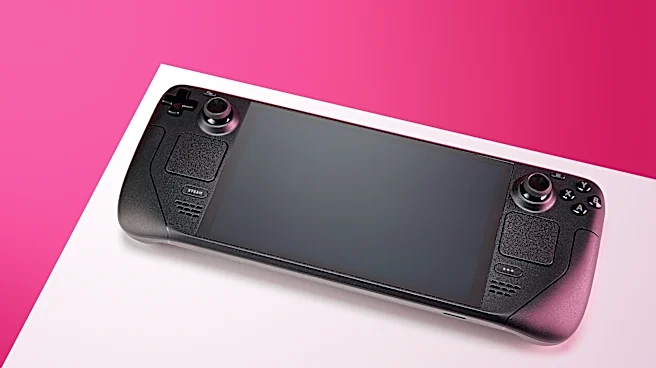
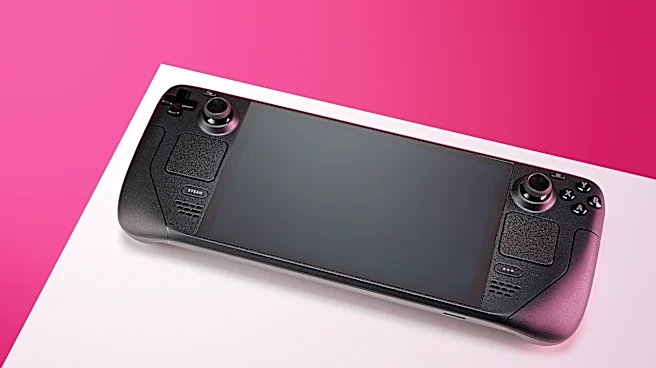
ASUS has launched the ROG Xbox Ally X20, a new handheld gaming device, in August 2026, with retail availability starting October 15, 2026. Priced at $1,299.99, or $2,499 for a special bundle, the device features
a 7.4-inch 1080p Nebula HDR OLED display, magnetic TMR joysticks, and improved trigger dampening. Despite these upgrades, the X20 retains the same AMD Ryzen AI Z2 Extreme APU/Processor, 24 GB LPDDR5X-8000 RAM, and 1 TB M.2 2280 SSD as its 2025 predecessor, the ROG Xbox Ally X. This means there is no significant performance increase in terms of frame rates for demanding games, as noted by GamesRadar+ and IGN benchmarks. The X20 is positioned as a 20th-anniversary tribute to ASUS's Republic of Gamers (ROG) sub-brand, rather than a second-generation performance upgrade. It runs on Windows 11 Home with a full-screen Xbox UI, aiming to provide a console-like experience while maintaining PC flexibility.
Why It's Important?
The launch of the ROG Xbox Ally X20 highlights a growing trend in the handheld PC gaming market where visual fidelity and ergonomic improvements are prioritized over raw performance upgrades. The $300 price premium for the OLED screen and enhanced controls, without a corresponding boost in processing power, tests consumer willingness to pay for premium features. This could influence future product development strategies for manufacturers in the handheld gaming sector, potentially leading to more specialized devices catering to specific user preferences—either performance-focused or experience-focused. For consumers, it means a clearer choice between cost-effectiveness (the older Ally X offers similar performance for less) and a premium visual and tactile experience. The device's reliance on Windows 11 Home and the Xbox Full Screen Experience also underscores Microsoft's ongoing efforts to integrate its gaming ecosystem more deeply into portable PC hardware, despite reviewers noting lingering software quirks.
What's Next?
The ROG Xbox Ally X20 will continue to be available in the market, joining the existing ROG Xbox Ally lineup. Future developments will likely focus on software refinements for the Windows 11 Home and Xbox Full Screen Experience, as reviewers have pointed out ongoing UI bugs and inconsistencies. ASUS may also release further Armoury Crate Special Edition (ACSE) updates to enhance user experience and address performance profiles. The market will observe how consumers react to the X20's value proposition, which could dictate whether future iterations prioritize new processors or continue to refine existing hardware with premium displays and controls. The availability of the standalone X20 has been limited, with many retailers showing 'Notify Me' prompts, suggesting potential supply chain challenges or high demand that could impact its market penetration.
Beyond the Headlines
The ROG Xbox Ally X20's strategy of offering an enhanced visual and tactile experience without a performance upgrade raises questions about the evolving definition of 'next-generation' in portable gaming. It suggests a market segmentation where a significant portion of users values display quality, build materials, and ergonomic design as much as, if not more than, raw computational power. This could lead to a broader industry shift towards more specialized handheld devices, moving away from a singular focus on benchmark numbers. Furthermore, the continued integration of Windows 11 with a console-like overlay on handhelds presents a unique challenge and opportunity for Microsoft to bridge the gap between PC flexibility and console simplicity, potentially shaping the future of portable computing and gaming interfaces. The device's premium pricing also positions it as a luxury item, appealing to a niche market willing to invest in a high-end portable gaming experience.