






What's Happening?
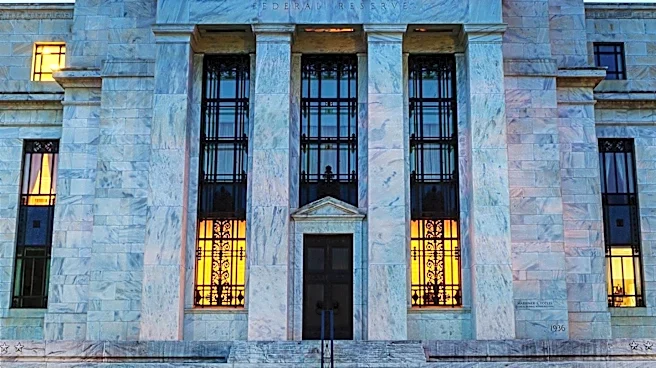
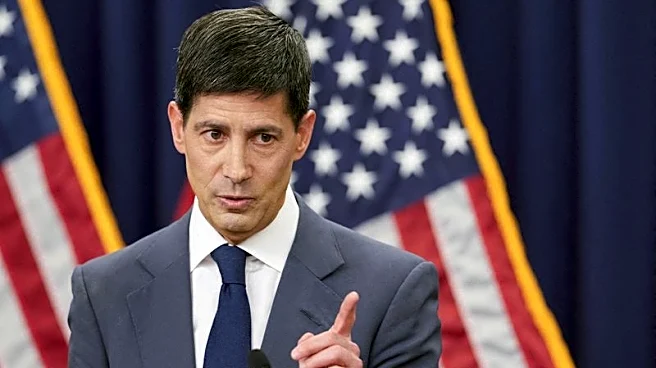
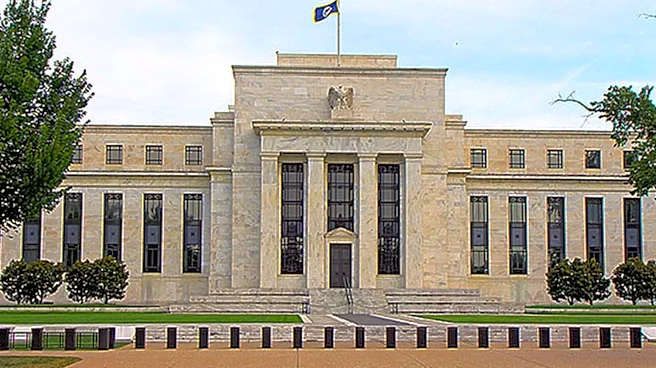
The Federal Reserve, under the leadership of Chairman Kevin Warsh, has announced the formation of five task forces aimed at evaluating and recommending changes to the central bank's operations. These task forces will focus on various aspects such as communications,
data, the Fed's balance sheet, productivity and jobs, and the framework for policymakers' view on inflation. Notable figures leading these task forces include venture capitalist Marc Andreessen, economist Raj Chetty, and former Bank of England Governor Mervyn King. The initiative is part of Warsh's broader strategy to adapt the Fed's operations to the evolving economic landscape, particularly in light of technological advancements like artificial intelligence. The task forces are expected to operate independently, providing candid feedback and rigorous findings to ensure the Fed is well-positioned to meet its objectives.
Why It's Important?
This initiative by the Federal Reserve is significant as it represents a proactive approach to modernizing the institution's operations in response to changing economic conditions. By involving leaders from various sectors, the Fed aims to incorporate diverse perspectives and expertise, potentially leading to more effective policy-making. The focus on areas such as artificial intelligence and data reflects the growing importance of technology in economic analysis and decision-making. The outcomes of these task forces could influence the Fed's approach to interest rates, inflation, and its substantial holdings of government bonds, impacting financial markets and the broader economy. Stakeholders, including businesses and policymakers, will be closely watching the recommendations that emerge from these task forces.
What's Next?
The task forces will begin their work with the support of Fed staff, and their findings could lead to significant changes in how the Federal Reserve conducts its operations. As these groups delve into their respective areas, they may propose new frameworks or adjustments to existing policies, which could be implemented by the Fed. The involvement of high-profile leaders suggests that the recommendations will carry substantial weight. The financial community and policymakers will be keenly interested in the outcomes, as they could affect monetary policy and economic stability. The task forces' work is expected to be thorough, with a focus on evidence-based recommendations.