




What's Happening?
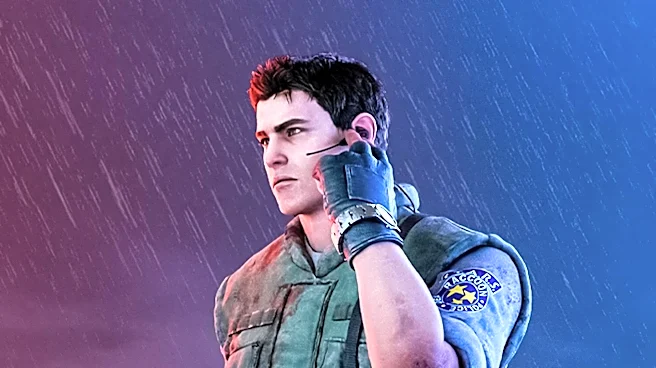
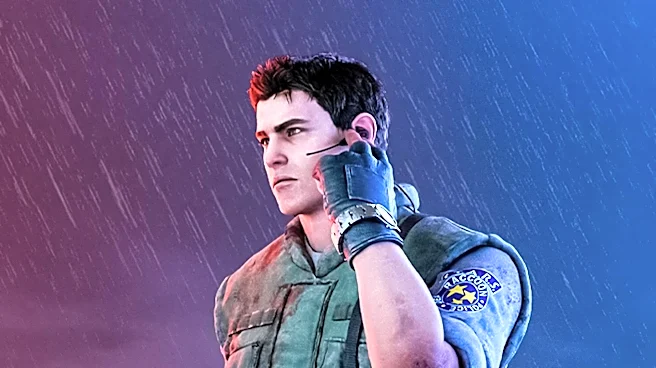
Director Zach Cregger has indicated his desire to remain creatively involved in the Resident Evil franchise following the critical and commercial success of his 2026 film adaptation. Despite initial skepticism from fans regarding the film's original character
protagonist and non-canon story, Resident Evil (2026) became the highest-rated video game movie ever made and grossed over $400 million worldwide. Cregger, who is currently busy with his next project, 'The Flood,' expressed on The Town with Matthew Belloni podcast that he has ideas for where the franchise could go and wants to have 'some hand' in future installments, even if he doesn't direct them. This suggests a potential for continued expansion of the Resident Evil cinematic universe under his creative influence.
Why It's Important?
Zach Cregger's continued involvement in the Resident Evil franchise is significant because his 2026 film successfully broke the long-standing curse of poorly received video game adaptations. His ability to capture the essence of playing a Resident Evil game, despite initial fan reservations, suggests a deep understanding of the source material and what resonates with audiences. For the entertainment industry, this success provides a blueprint for adapting video games, emphasizing creative vision and a willingness to deviate from strict canon while maintaining thematic integrity. His ongoing input could ensure a consistent quality and vision for future Resident Evil films, potentially establishing a successful, long-running cinematic franchise. This also signals a shift in how Hollywood approaches video game adaptations, moving towards more creative freedom for directors who can deliver both critical and commercial success.
What's Next?
While nothing is officially set in stone, the success of Resident Evil (2026) and Zach Cregger's expressed interest make a sequel highly probable. Sony Pictures is likely to capitalize on the film's box office performance and critical acclaim. Given Capcom's plan for yearly video game releases in the Resident Evil saga, there's a clear opportunity for Sony to align cinematic adaptations with the games' popularity. Cregger's potential role as a producer or writer, rather than director, could allow him to oversee the creative direction of the franchise while managing his other projects. This could lead to a series of Resident Evil films that maintain a high standard of quality and continue to attract both long-time fans and new audiences.
Beyond the Headlines
The success of Zach Cregger's Resident Evil (2026) and his desire for continued involvement highlight a broader cultural shift in the perception and treatment of video game adaptations. For years, these films were largely dismissed as critical and commercial failures. However, recent successes like 'The Last of Us' season 1, Prime Video's 'Fallout,' and the 'Sonic the Hedgehog' saga, alongside Cregger's 'Resident Evil,' demonstrate that with the right creative talent and approach, video game narratives can translate effectively to the screen. This trend not only validates the artistic merit of video games as a storytelling medium but also opens up new avenues for cross-media franchising, potentially leading to a golden age of video game adaptations that are both faithful to their source material and compelling as standalone cinematic experiences.