





What's Happening?
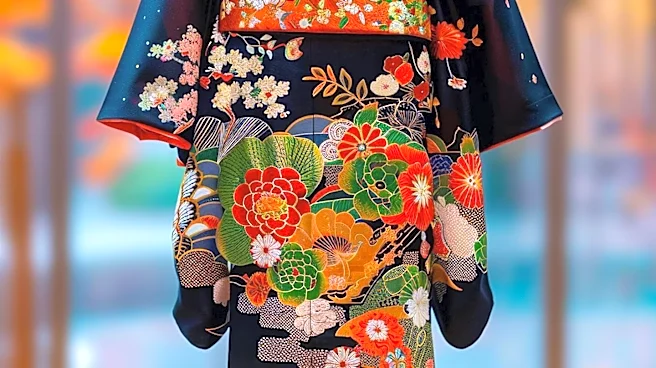
The article details the distinctions between traditional Japanese garments, the kimono and yukata, outlining their seasonal uses, levels of formality, and cultural significance. While both are traditional Japanese clothing, yukata are lighter, more casual
garments typically associated with summer festivals, hot springs, and ryokan stays. Kimono encompass a broader range of garments, with their formality determined by season, material, design, and accessories. Kimono are worn year-round for various occasions, from everyday wear to formal ceremonies like weddings and Coming-of-Age Day. The article explains that the word 'kimono' literally means 'wear thing' and refers to the T-shaped garment with overlapping front panels secured by an obi. The kimono's design, which developed during the Heian period, uses straight-line cutting, making it adaptable and easy to store. The evolution of kimono was influenced by historical periods like the Edo period's national isolation and the Meiji Restoration, which introduced Western fashion and solidified the kimono's international recognition as a symbol of Japanese dress. Visitors to Japan are encouraged to experience wearing both kimono and yukata for cultural immersion.
Why It's Important?
Understanding the nuances of traditional Japanese clothing like the kimono and yukata is important for cultural appreciation and respectful engagement with Japanese customs. For tourists, knowing when and how to wear these garments can enhance their travel experience, allowing them to participate in local festivals and traditions more authentically. The distinction between the casual yukata and the more formal kimono highlights the intricate social codes embedded in Japanese culture, where attire communicates status, occasion, and respect. This knowledge can also benefit businesses in the tourism and hospitality sectors, enabling them to offer more informed and culturally sensitive experiences, such as kimono rental services or traditional accommodation stays. Furthermore, the historical context of these garments, from their origins in the Heian period to their evolution through the Edo and Meiji periods, provides insight into Japan's rich cultural heritage and its interactions with global influences, offering a deeper understanding of the country's identity.
What's Next?
As global interest in Japanese culture continues to grow, the demand for authentic cultural experiences, including wearing traditional attire, is likely to increase. Businesses in Japan, particularly those in tourism and hospitality, may further develop and promote kimono and yukata rental services, cultural workshops, and themed events to cater to this demand. This could lead to more accessible and diverse options for visitors to experience these garments, potentially including specialized services for different formality levels and occasions. Educational initiatives aimed at informing international visitors about the appropriate usage and cultural significance of kimono and yukata could also become more prevalent, ensuring that these traditions are respected and understood. Additionally, the fashion industry, both within Japan and internationally, might continue to draw inspiration from these traditional garments, leading to contemporary interpretations and collaborations that blend traditional aesthetics with modern styles.
Beyond the Headlines
The continued relevance of kimono and yukata in modern Japan, despite the dominance of Western-style clothing, speaks to the enduring power of cultural identity and tradition. These garments are not merely historical relics but living symbols that connect contemporary Japanese society to its past. The act of wearing a kimono or yukata, whether for a festival, a tea ceremony, or a casual stroll, can evoke a sense of continuity and pride in heritage. For individuals, it offers a tangible link to ancestral customs and an opportunity for self-expression within a rich cultural framework. On a broader scale, the global fascination with these garments contributes to the soft power of Japanese culture, fostering international dialogue and appreciation. However, it also raises questions about cultural appropriation versus appreciation, emphasizing the importance of education and respectful engagement when traditional attire is adopted by non-native wearers. The intricate details of kimono formality also reflect a societal value placed on precision, aesthetics, and the subtle communication of social cues.