




What's Happening?
Fashion brands are significantly altering their marketing approaches by increasingly relying on content creators to produce native content for various digital platforms, including YouTube Shorts, Instagram, and TikTok. This shift moves beyond traditional
influencer marketing, where creators were primarily used for distribution. Now, brands are actively engaging creators for their unique skills and styles that initially helped them build an audience. According to Rick Bhatia, partner at talent management company Sixteenth, creator briefs have become more complex, often requiring short-form videos, cutdowns for brand channels, and raw footage. This indicates a blurring of lines between influencer marketing, production, and paid social, as brands seek content that resonates authentically with consumers on these platforms. Elaine Shui, head of US client services at Whalar, notes that investment is being reallocated from traditional channels like print and out-of-home advertising towards deeper relationships with creators, who are sometimes even invited to co-create capsule collections.
Why It's Important?
This evolution in fashion marketing is crucial because it signifies a fundamental change in how brands connect with their target audiences and allocate their budgets. By leveraging creators' expertise in crafting engaging, platform-native content, brands can achieve greater authenticity and resonance, which is vital in today's saturated digital landscape. This approach allows for more efficient use of marketing spend, as a single piece of creator-generated content can serve multiple purposes across various channels and even contribute to paid media assets. The shift also highlights the growing influence of digital platforms and content creators in shaping consumer preferences and purchasing decisions. For consumers, this means a more integrated and less overtly promotional experience, as marketing content becomes indistinguishable from organic social media feeds. For the fashion industry, it represents a strategic adaptation to the digital age, where traditional advertising methods are proving less effective compared to the direct and relatable engagement offered by creators.
What's Next?
The trend of integrating creators more deeply into fashion marketing is expected to continue, with brands fostering longer-term relationships beyond single sponsored posts. This will likely lead to creators taking on more significant roles, potentially acting as creative directors or co-designers for collections. As brands become more adept at measuring the impact of creator-led campaigns, they will refine their strategies to optimize for both immediate conversions and long-term brand equity. The focus will remain on content that feels authentic and organic to each platform, further blurring the lines between advertising and entertainment. Additionally, physical retail spaces are also evolving to become content generation hubs, designed to produce social media content and press coverage alongside sales. This integrated approach suggests a future where all marketing touchpoints are interconnected, serving multiple functions to maximize return on investment and build sustained brand desirability.
Beyond the Headlines
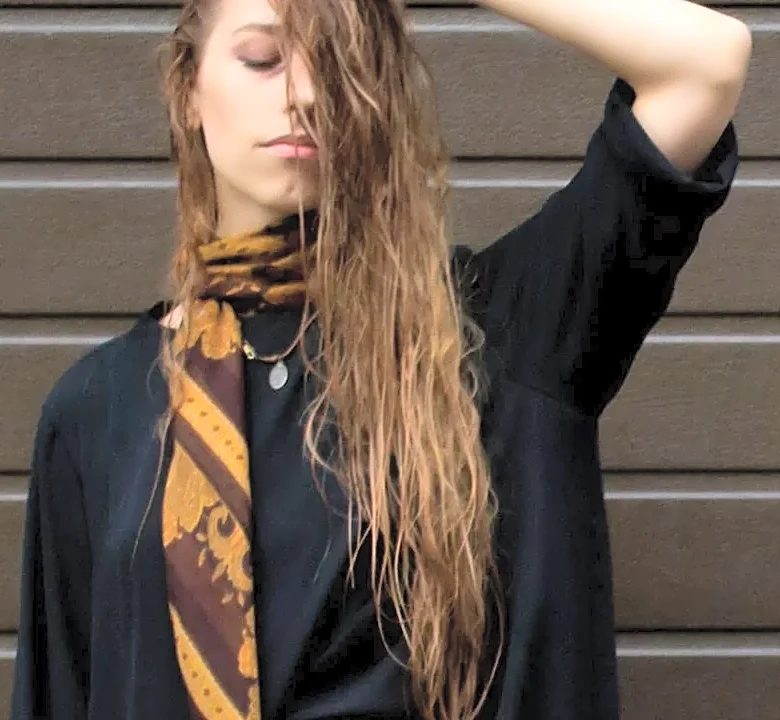
The deeper implication of this shift lies in the changing nature of brand authority and influence. Historically, fashion brands dictated trends and aesthetics from the top down. Now, influence is increasingly decentralized, with individual creators holding significant sway over consumer tastes. This democratizes fashion to some extent, allowing for a wider range of styles and voices to gain prominence, as exemplified by creators like Sude Bozdemir with her 'modern vintage' approach. It also raises questions about the authenticity of online personas and the ethical considerations of sponsored content, even as brands strive for more 'native' advertising. The long-term impact could be a more dynamic and responsive fashion industry, where trends emerge more organically from digital communities rather than being solely driven by traditional fashion houses. This also challenges traditional notions of celebrity, as online creators become the new tastemakers, valued for their relatability and understanding of digital culture.