






What's Happening?
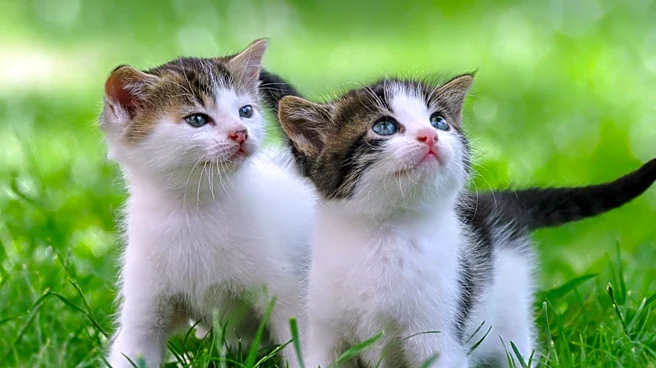
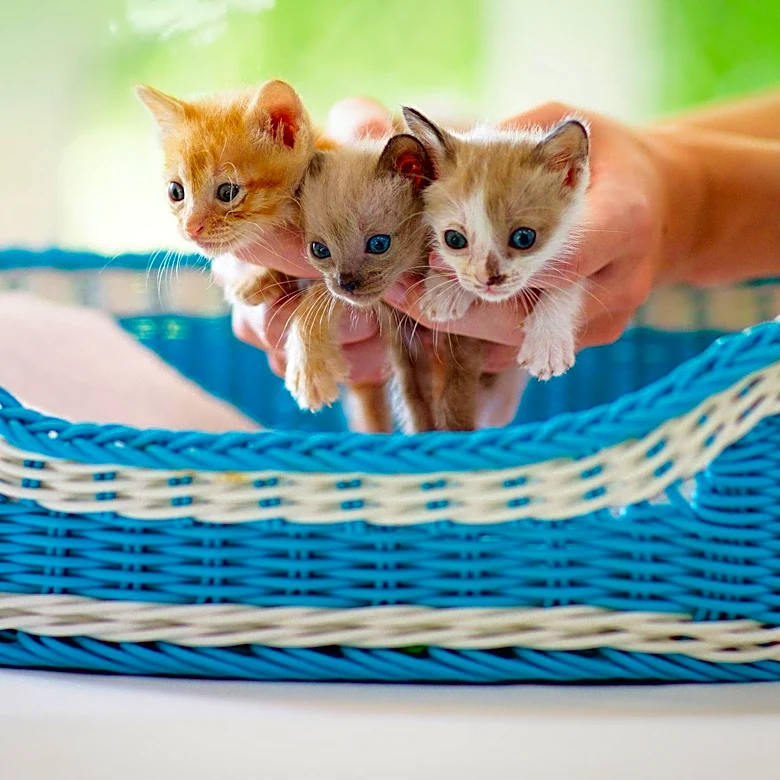
Two sisters, known on TikTok as @coookkiieee2, orchestrated a plan to adopt a kitten by staging a roadside rescue. The sisters knew their parents were against bringing a new pet into the house, so they pretended to find the kitten abandoned on the street.
In a video shared on TikTok, one sister filmed the other as she approached and picked up the kitten, creating a dramatic scene that convinced their parents the kitten had appeared by chance. The video, posted nearly two years after the event, has garnered over 9 million views. The sisters revealed in the caption that their plan successfully fooled their family for about a year before the truth came out.
Why It's Important?
This story highlights the lengths individuals might go to in order to adopt a pet, reflecting the strong emotional bonds humans can form with animals. While the sisters' plan was unconventional, it underscores the importance of considering the responsibilities of pet ownership. Animal experts caution against impulsive adoptions, advising potential pet owners to evaluate their readiness for the long-term commitment. The sisters' story also illustrates the power of social media in sharing personal narratives and influencing public perception, as their video reached a wide audience and sparked discussions about pet adoption and family dynamics.
What's Next?
The revelation of the sisters' plan may prompt discussions within families about honesty and communication, especially regarding decisions that affect the household. It also serves as a reminder for potential pet owners to consider the practical and financial responsibilities of caring for an animal. As the video continues to circulate, it may inspire others to share their own pet adoption stories, potentially raising awareness about responsible pet ownership.
Beyond the Headlines
The sisters' story taps into broader cultural themes of storytelling and authenticity in the digital age. The use of social media to craft and share personal narratives can blur the lines between reality and fiction, influencing how stories are perceived and remembered. This incident also highlights the ethical considerations of using deception, even for seemingly harmless purposes, and the potential impact on family trust and dynamics.