






What's Happening?
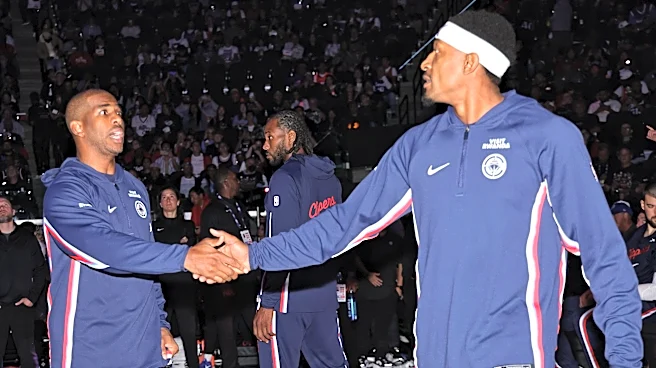
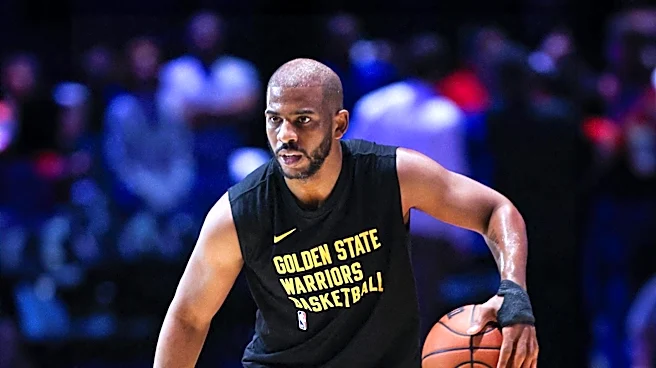
NBA star Chris Paul recently shared insights into his early career, specifically recalling his rookie year experience facing Steve Nash. Paul described Nash as a benchmark for point guards, admitting he couldn't sleep the night before their first game.
This encounter motivated Paul, who later felt he became a similar standard for aspiring point guards. He reflected on maintaining an edge throughout his career, constantly anticipating younger players who would challenge him, much like he challenged Nash. Paul's career, marked by numerous accolades including a Rookie of the Year award, 12 All-Star selections, and two Olympic gold medals, solidified his status as one of the greatest players in league history, despite never winning an NBA championship. His journey highlights the dedication and competitive spirit required to achieve sustained success at the highest level of professional basketball.
Why It's Important?
Chris Paul's reflection underscores the significant impact of mentorship and competitive inspiration in professional sports. His narrative illustrates how established figures like Steve Nash can serve as crucial motivators for emerging talent, driving them to excel and eventually become benchmarks themselves. This dynamic is vital for the continuous evolution and high standards of the NBA, fostering a culture of relentless improvement and ambition among players. For the league, such stories enhance its rich history and provide compelling narratives that resonate with fans, highlighting the personal journeys behind athletic achievements. Paul's career, characterized by his 'Point God' moniker and his position as second all-time in both assists and steals, exemplifies how individual dedication, even without a championship, can forge an undeniable legacy that influences future generations of athletes and contributes to the sport's enduring appeal.
What's Next?
While Chris Paul's playing career has concluded, his influence is expected to continue shaping the NBA through his legacy and potential future roles within basketball. His insights, shared through platforms like the 'Build or Break' podcast, will likely serve as valuable lessons for current and future players, emphasizing the importance of competitive drive and continuous self-improvement. Paul's story will undoubtedly be referenced in discussions about great players who never won a championship, contributing to ongoing debates about how success is measured in professional sports. Furthermore, his extensive experience and deep understanding of the game could lead to opportunities in coaching, broadcasting, or front-office roles, where he could directly impact the development of new talent and the strategic direction of teams. His continued presence in the basketball world, in whatever capacity, will ensure his perspective remains relevant.
Beyond the Headlines
Chris Paul's narrative extends beyond mere statistics and accolades, delving into the psychological aspects of elite athletic performance. His admission of sleeplessness before facing Steve Nash reveals the immense pressure and respect inherent in top-tier competition, highlighting the mental fortitude required to not only compete but to thrive. This story also touches upon the cyclical nature of athletic excellence, where one generation's icons inspire the next, creating a continuous lineage of talent and competitive spirit. The absence of an NBA championship in Paul's illustrious career, despite his numerous individual achievements, prompts a deeper societal reflection on how success is defined and valued in sports. It challenges the notion that a championship ring is the sole determinant of greatness, emphasizing the profound impact of individual skill, leadership, and consistent performance over two decades. This perspective enriches the understanding of sports legacies, moving beyond simple win-loss records to appreciate the broader contributions of athletes to their sport.