






What's Happening?
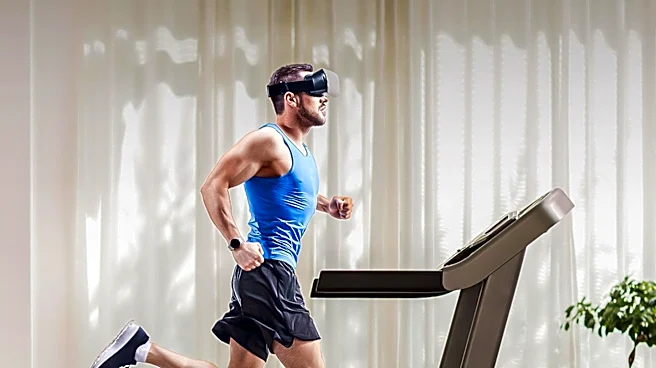
Peloton has launched new AI-driven features for its treadmills, including Run Analysis and IQ Pace Targets. The Run Analysis feature, available on the Tread+, Tread Vision, and Tread+ Vision models, utilizes a movement-tracking camera to analyze a runner's
biomechanics during a workout. It measures cadence, vertical oscillation, and stride length to generate a Running Efficiency Score from 1 to 100. After each run, the system provides feedback and suggestions to improve efficiency, such as shortening stride. Peloton IQ Pace Targets personalize suggested speeds during workouts by analyzing a user's recent running performance. Additionally, a feature called ReRuns allows users to import outdoor route data from the Peloton app or compatible smartwatches, enabling the treadmill to automatically adjust its incline to match the elevation profile of the original route. These new functionalities aim to transform the treadmill from a simple recording device into a tool that interprets and helps improve running performance.
Why It's Important?
This development is significant for the fitness technology industry and home exercise market in the U.S. By integrating AI and advanced biomechanical analysis, Peloton is enhancing the personalized training experience, potentially increasing user engagement and retention. The ability to receive real-time feedback on running form and personalized pace targets could lead to more effective and safer workouts, reducing the risk of injury for users. For Peloton, these innovations could differentiate its products in a competitive market, attracting new customers seeking more sophisticated and data-driven fitness solutions. The ReRuns feature also addresses a common limitation of indoor running by allowing users to simulate outdoor terrain, which could be particularly appealing to runners training for specific races or those in areas with challenging weather conditions. This move could set a new standard for interactive fitness equipment, pushing other manufacturers to incorporate similar advanced analytics.
What's Next?
Peloton will likely continue to refine and expand its AI-powered features, potentially integrating more advanced metrics or personalized coaching modules based on user data. The company may also explore applying similar biomechanical analysis to its other fitness equipment, such as bikes or rowing machines, to offer a more comprehensive data-driven training ecosystem. Competitors in the connected fitness space are expected to respond by developing their own advanced analytics and personalized training tools to keep pace with Peloton's innovations. User adoption and feedback on these new features will be crucial in determining their long-term success and influence on the broader fitness technology market. The introduction of these features could also lead to increased partnerships with sports science experts or physical therapists to further validate and enhance the efficacy of the biomechanical analysis.
Beyond the Headlines
The integration of AI into personal fitness equipment raises broader questions about data privacy and the ethical use of biometric data. As cameras track movement and analyze personal biomechanics, concerns about how this data is stored, used, and protected will become increasingly relevant. There's also a potential for these technologies to democratize access to high-level coaching insights that were once only available through professional trainers or sports scientists, making advanced performance analysis more accessible to the average consumer. However, it's important to consider the limitations of AI in replicating the nuanced feedback of a human coach, especially in preventing injuries or addressing complex biomechanical issues. The long-term impact on user behavior and expectations for home fitness equipment could be profound, shifting the focus from mere exercise to highly optimized and data-informed training regimens.