



What's Happening?
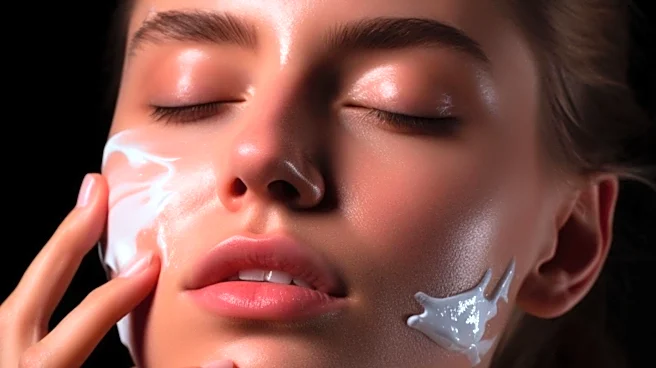
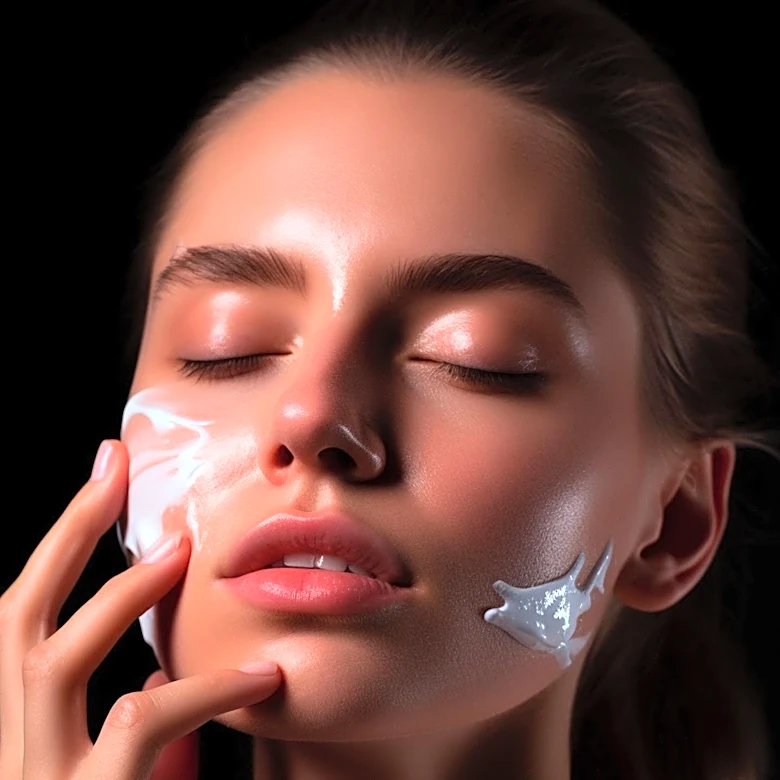
The 'glass skin' routine, a Korean beauty-inspired approach, focuses on achieving a smooth, clear, deeply hydrated, and naturally luminous complexion by building moisture in careful layers and protecting the skin barrier. This method prioritizes long-term
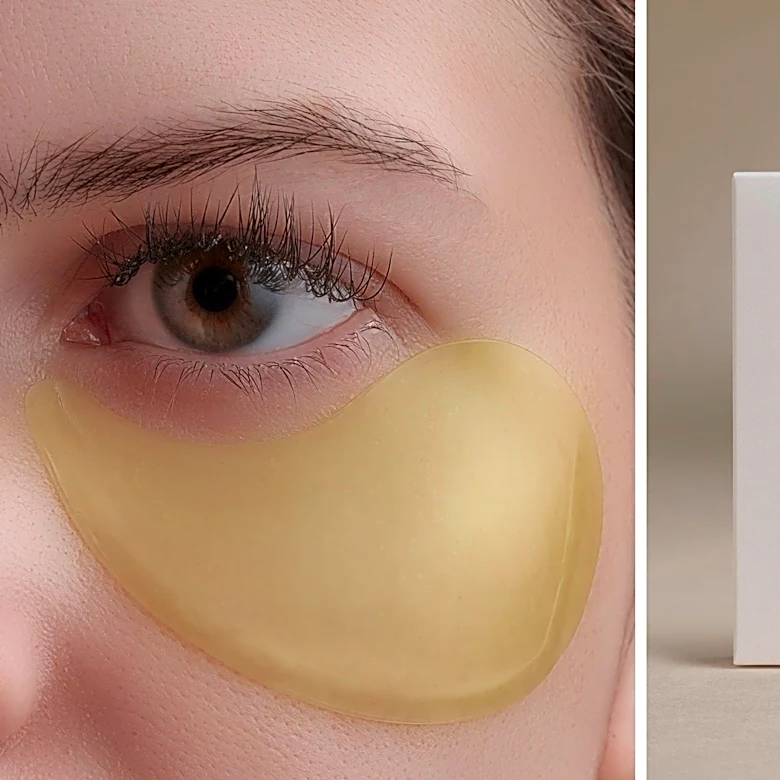
skin health over quick fixes, emphasizing gentle nourishment and avoiding harsh exfoliation. For a morning routine, it typically involves gentle cleansing, a hydrating treatment, moisturizer, and sunscreen. The evening routine includes thorough removal of sunscreen and makeup, cleansing, applying a hydrating treatment, and using targeted actives only when the skin can tolerate them, always followed by moisturizer. Optionally, a few drops of face oil can be added for extra hydration, especially for dry skin. The goal is not to achieve a filtered or oily look, but rather skin that appears rested with a soft texture, comfortable hydration, even tone, and a healthy glow. This approach is particularly beneficial for mature skin, which may be drier, more reactive, or less predictable with age, as it supports the skin's barrier rather than compromising it with aggressive treatments.
Why It's Important?
This shift in skincare philosophy, moving away from aggressive treatments towards gentle, layered hydration and barrier protection, is significant for the beauty and skincare industry. It highlights a growing consumer demand for sustainable skin health rather than temporary, often harsh, solutions. For consumers, understanding the principles of glass skin can lead to healthier skin outcomes, especially for those with sensitive or mature skin who may experience irritation from over-exfoliation or excessive product use. The emphasis on consistent hydration, barrier support, and daily SPF application underscores fundamental dermatological advice, potentially reducing instances of skin damage and premature aging. This trend also influences product development, encouraging brands to formulate gentle cleansers, hydrating serums with ingredients like hyaluronic acid and ceramides, and effective yet comfortable sunscreens. The focus on 'attentive care' and responding to individual skin needs, rather than blindly following multi-step routines, empowers consumers to make more informed choices, potentially leading to a more personalized and effective skincare regimen.
What's Next?
The continued popularity of the glass skin trend is likely to drive further innovation in gentle, hydrating, and barrier-supporting skincare products. We can expect to see more brands developing formulations that prioritize ingredients like ceramides, fatty acids, and squalane, which are crucial for maintaining a healthy skin barrier. There will also likely be an increased focus on educational content from beauty brands and dermatologists, guiding consumers on how to adapt the glass skin routine to their specific skin types and concerns, rather than promoting a one-size-fits-all approach. As consumers become more aware of the risks of over-exfoliation and compromised skin barriers, there may be a decline in the demand for overly aggressive skincare products. Furthermore, the integration of daily broad-spectrum sunscreen as a non-negotiable step in any effective skincare routine will continue to be emphasized, reinforcing its importance for long-term skin health and protection against environmental damage. The industry may also see a rise in 'skinimalism,' where consumers opt for fewer, more effective products that align with the gentle and consistent principles of glass skin.
Beyond the Headlines
The 'glass skin' trend reflects a broader cultural shift towards holistic well-being and self-care, where beauty is increasingly linked to health and sustainability rather than superficial perfection. This movement challenges unrealistic beauty standards often perpetuated by social media, advocating for acceptance of natural skin textures, pores, and minor imperfections. By promoting a 'barrier-first' approach, the trend encourages a deeper understanding of skin physiology and the importance of maintaining its natural defenses. This can have positive psychological impacts, reducing pressure on individuals to achieve an unattainable 'flawless' look and fostering a more compassionate relationship with their skin. Ethically, it pushes the beauty industry towards more responsible product development, prioritizing skin health and safety over aggressive marketing claims. The emphasis on consistency and patience in skincare also mirrors a growing desire for mindful practices in daily life, suggesting that true radiance comes from sustained care rather than quick fixes. This trend could ultimately lead to a more informed and empowered consumer base, demanding transparency and efficacy from beauty brands.