


What's Happening?
As fall begins, experts from the Good Housekeeping Home Improvement & Outdoor Lab are urging homeowners to complete crucial maintenance tasks to ensure safety and prepare for colder weather. The checklist highlights four essential items: checking smoke
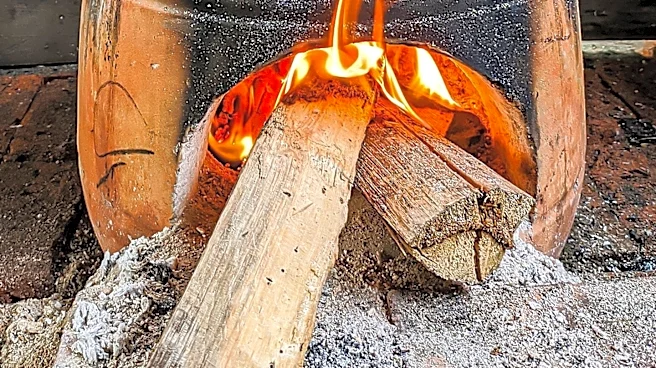
and carbon monoxide (CO) detectors, inspecting fireplaces and chimneys, testing generators, and closing off outdoor spigots. Home fires and CO poisonings increase significantly in winter due to heating equipment use, making detector checks vital. Fireplace and chimney inspections are necessary to prevent fires and CO buildup, with professional chimney sweeps recommended if not recently serviced. Testing generators ensures they are operational before winter storms, while winterizing outdoor spigots prevents burst pipes and costly water damage in freezing temperatures. These tasks are presented as immediate priorities to safeguard homes and occupants during the early weeks of fall.
Why It's Important?
This fall home maintenance checklist is critically important for U.S. households, as it directly addresses safety, financial, and comfort aspects of homeownership. Neglecting these tasks can lead to severe consequences, including life-threatening carbon monoxide poisoning and house fires, as well as significant property damage from burst pipes or generator failures. The financial implications of such incidents can be substantial, involving costly repairs, insurance claims, and potential displacement. By proactively performing these checks, homeowners can mitigate risks, ensure the efficient operation of essential systems, and potentially save thousands of dollars in emergency repairs. This guidance also underscores the seasonal nature of home care, emphasizing that preparedness in fall is key to a safe and comfortable winter, impacting millions of homes across various climate zones in the U.S.
What's Next?
Homeowners are advised to immediately implement the recommended maintenance tasks. This includes testing smoke and CO detectors, inspecting fireplaces and chimneys (and scheduling professional cleaning if needed), running generators for about 20 minutes to ensure functionality, and shutting off water to outdoor spigots in freezing climates. Beyond these immediate actions, the experts suggest that these tasks are just the beginning of a broader fall maintenance checklist. This implies that homeowners should anticipate further seasonal preparations, such as gutter cleaning, furnace inspections, and weatherproofing, as the season progresses. The emphasis on proactive maintenance will likely continue to be a key message from home improvement experts, encouraging a preventative approach to home care rather than reactive repairs.
Beyond the Headlines
The routine nature of fall home maintenance, while seemingly mundane, reflects a deeper societal reliance on infrastructure and preparedness. The emphasis on safety devices like smoke and CO detectors highlights ongoing public health efforts to prevent preventable tragedies. The need to inspect and maintain heating systems and generators also points to vulnerabilities in energy infrastructure, particularly during extreme weather events. Furthermore, the advice to winterize outdoor spigots underscores the significant financial and emotional toll that water damage can inflict on homeowners, revealing the interconnectedness of small maintenance tasks with large-scale property protection. This annual ritual of preparing homes for winter is a collective act of resilience, ensuring that communities can withstand seasonal challenges and maintain a baseline of safety and comfort.