


What's Happening?
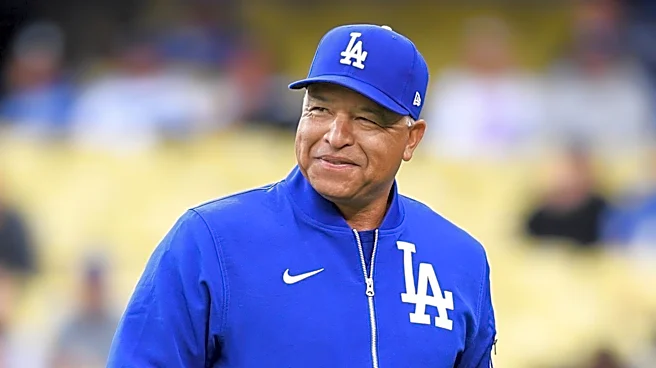
Los Angeles Dodgers manager Dave Roberts commented on catcher Ben Rortvedt's departure from the team after the 2026 season, following Rortvedt's designation for assignment. Rortvedt, who had been a backup catcher for the Dodgers, elected free agency on October
17 after being sent outright to the minors during the season. Roberts expressed gratitude for Rortvedt's contributions, stating, "Ben's a great teammate, he's a major league player. And I'll always be grateful because he helped us win a championship last year. Great guy." Rortvedt's 2026 season was circuitous, starting elsewhere before returning to the Dodgers. He played 16 games for the Dodgers, batting .185 with one RBI. Despite his limited major league appearances in 2026, Rortvedt had previously played a crucial role, including starting four postseason games in 2025 when other catchers were injured. He cleared waivers and accepted a minor league assignment in September 2026, playing six games for Triple-A Oklahoma City.
Why It's Important?
The situation surrounding Ben Rortvedt and the Dodgers highlights the intricate roster management challenges faced by Major League Baseball teams, particularly concerning players with limited minor league options and arbitration eligibility. For teams, balancing depth, salary cap considerations, and the need to keep promising prospects can lead to difficult decisions, often resulting in players being designated for assignment or traded. For players like Rortvedt, navigating waivers and minor league assignments can impact career stability and earning potential. This dynamic underscores the competitive nature of professional baseball, where even players praised by management for their contributions can find themselves moving between organizations. The constant churn of the bottom of the roster affects player morale, team chemistry, and the overall strategic flexibility of a franchise, as teams continuously seek to optimize their 40-man roster for both immediate performance and future development.
What's Next?
Following his election of free agency, Ben Rortvedt will now seek opportunities with other Major League Baseball organizations. His experience as a backup catcher and his previous contributions to a championship team could make him an attractive option for teams looking for veteran depth behind the plate. For the Dodgers, Rortvedt's departure means they will continue to rely on their existing catching depth, including Will Smith and Dalton Rushing, and potentially explore other options in the free agent market or through trades to ensure adequate coverage. The team's roster management will focus on developing their younger talent while maintaining competitive depth. Other teams will be evaluating Rortvedt's past performance and his ability to contribute in a backup role, potentially offering him a minor league contract with an invitation to spring training or a major league deal if a need arises.
Beyond the Headlines
The narrative of Ben Rortvedt's 2026 season, marked by multiple designations for assignment and a return to the minor leagues despite managerial praise, illustrates the often-unseen human element within the highly competitive business of professional sports. Beyond the statistics and roster moves, players like Rortvedt face significant personal and professional uncertainty, constantly adapting to new teams, cities, and roles. This constant flux can impact mental well-being and family life, highlighting the sacrifices inherent in pursuing a career in elite athletics. The ethical implications arise in how organizations manage these transitions, balancing the business imperative of optimizing rosters with a duty of care towards their employees. Culturally, these stories resonate with fans who appreciate the dedication and resilience required to navigate such a demanding career, offering a glimpse into the less glamorous, but equally challenging, aspects of a professional athlete's life.