


What's Happening?
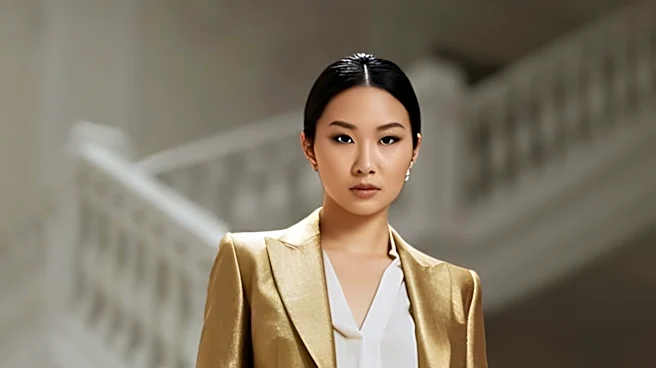
A new wave of independent Chinese fashion designers is gaining significant global recognition, shifting the narrative from China as primarily a manufacturing hub to a source of innovative and avant-garde design. These designers, many of whom have trained
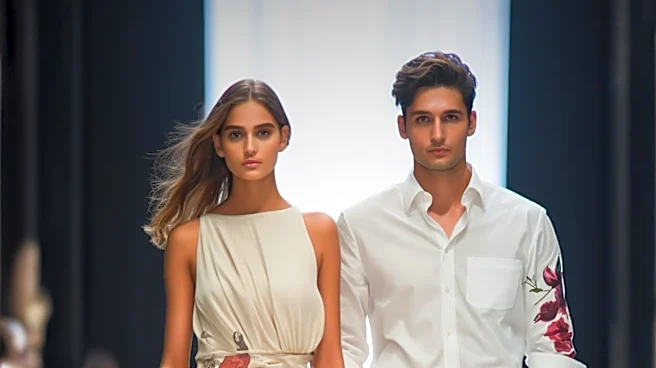
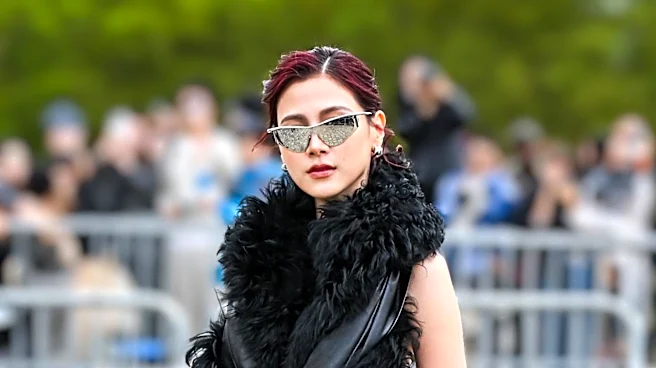
at elite fashion institutions in London, New York, and Paris, are blending their deep cultural roots with Western design principles. Their collections often feature architectural asymmetry, industrial-inspired accents, oversized proportions, and gender-neutral tailoring, offering a distinct alternative to mainstream luxury. Platforms like DOORS.NYC are playing a crucial role in curating and elevating these global subcultures, providing international exposure for these emerging talents and making their unique pieces accessible to a wider audience. This movement emphasizes fashion as an intellectual and visual statement, celebrating individuality and offering consumers collectible assets rather than disposable commodities.
Why It's Important?
The rise of independent Chinese fashion designers signifies a significant shift in the global fashion landscape, impacting the U.S. market by introducing new aesthetic perspectives and challenging established luxury brands. For U.S. consumers, this means greater access to unique, high-quality, and culturally rich fashion alternatives that prioritize individuality and sustainability. This trend also influences U.S. retail and e-commerce, as platforms like DOORS.NYC demonstrate a successful model for curating and distributing niche international talent. The emphasis on fashion as a collectible asset encourages a more mindful approach to consumption, potentially influencing purchasing habits and investment in durable, unique pieces over fast fashion. This development also fosters a more multicultural and interconnected fashion dialogue, enriching the creative ecosystem within the U.S. and globally.
What's Next?
The continued growth of independent Chinese fashion designers is expected to further diversify the global fashion market. More platforms are likely to emerge, specializing in curating and promoting international subcultures, increasing accessibility for U.S. consumers. We may see increased collaborations between these independent designers and established U.S. brands or retailers, aiming to tap into this burgeoning market. The focus on unique, collectible pieces could also lead to a greater emphasis on artisan craftsmanship and sustainable practices across the industry. As these designers gain more prominence, they are poised to influence broader fashion trends, potentially inspiring U.S. designers to explore similar fusions of cultural heritage and modern design. The evolving consumer appetite for alternative and rare apparel will likely drive further innovation and global interconnectedness in the fashion sector.
Beyond the Headlines
Beyond the immediate commercial impact, the emergence of independent Chinese fashion designers carries deeper cultural and ethical implications. It challenges long-held Western perceptions of East Asian countries primarily as manufacturing centers, highlighting their growing creative and intellectual contributions to global culture. This movement promotes cultural exchange, as designers weave their heritage into modern silhouettes, fostering a richer understanding and appreciation of diverse artistic expressions. Ethically, the emphasis on collectible, long-lasting garments counters the environmental and social costs associated with fast fashion, encouraging a more sustainable and responsible consumption model. This shift also empowers individual expression, moving away from corporate uniformity and allowing consumers to build wardrobes that reflect their unique identities and values, thereby influencing broader societal attitudes towards consumption and cultural identity.