







What's Happening?
A new study conducted by researchers from Harvard T.H. Chan School of Public Health, Boston Children’s Hospital, and Harvard Pilgrim Health Care Institute has found a significant association between a mother's adherence to a Mediterranean-style diet during
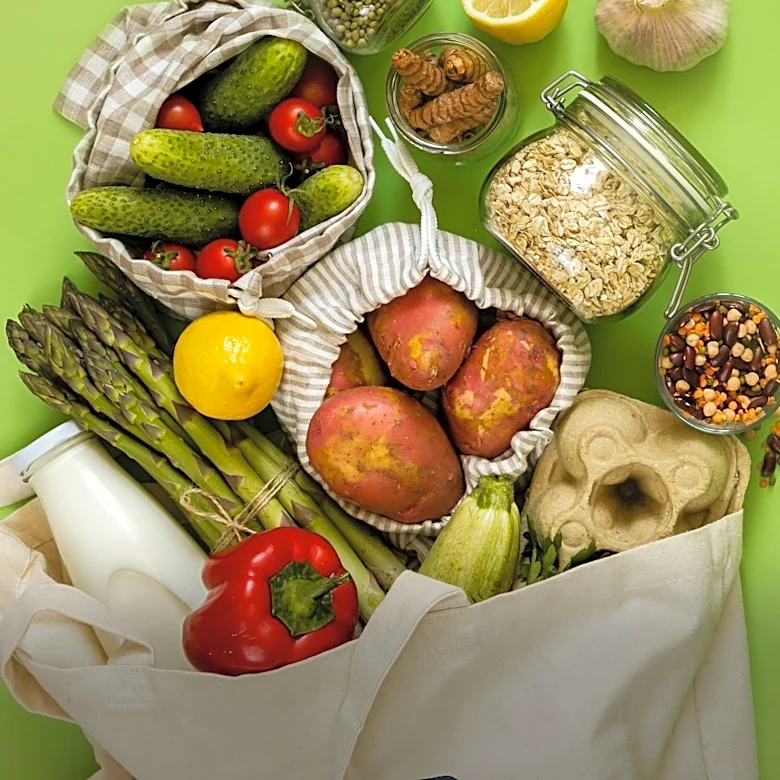
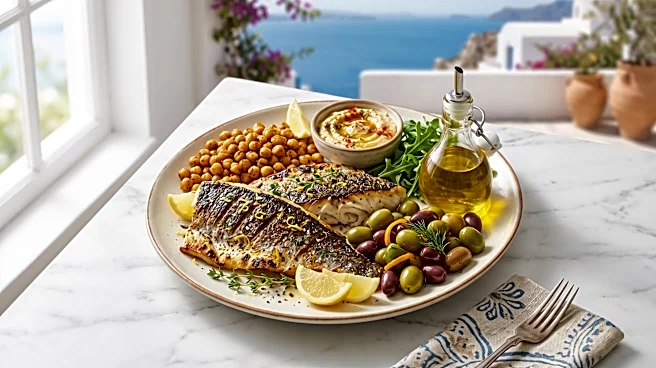
pregnancy and a reduced risk of infant colic and eczema. The study, published in JAMA Network Open, analyzed data from over 1,300 pregnant women recruited into the Project Viva study in Eastern Massachusetts between 1999 and 2002. Participants completed regular food questionnaires, which were then scored based on the Mediterranean Diet Score (MDS) and the Dietary Inflammation Index (DII). A higher MDS indicated a healthier diet rich in fruits, vegetables, whole grains, legumes, and healthy fats, while a higher DII indicated a less healthy diet with more red/processed meats, sugar-sweetened beverages, and refined grains. The findings revealed that mothers with higher MDS scores had a significantly lower risk of their infants developing both colic and eczema, with each higher MDS point associated with a 15% reduction in risk. Conversely, each higher DII point was linked to a 34% increased risk. Additionally, regular seafood consumption during pregnancy was associated with a 25% lower chance of infants having both conditions.
Why It's Important?
This research highlights the critical role of maternal nutrition during pregnancy in influencing infant health outcomes, specifically regarding common conditions like colic and eczema. The study suggests that dietary choices made by expectant mothers can have a protective effect against these early childhood ailments, which have been previously linked to higher rates of atopic conditions later in life, such as asthma, seasonal rhinitis, and food allergies. The emphasis on a Mediterranean diet, characterized by its richness in plant-based foods, healthy fats, and lean proteins, provides actionable dietary guidance for pregnant women and healthcare providers. The findings also underscore the potential benefits of seafood intake, suggesting that specific nutrients found in fish may play a crucial role in infant immune development and inflammatory responses. This information could inform public health initiatives and nutritional counseling programs aimed at promoting healthier pregnancies and reducing the incidence of infant health issues, potentially leading to long-term health benefits for children.
What's Next?
The findings of this study provide a strong basis for further research into the specific mechanisms by which the Mediterranean diet and seafood consumption during pregnancy impact infant gut health and immune development. Future studies could explore the role of the maternal microbiome and its influence on the infant microbiome, as well as specific nutrients or compounds within the Mediterranean diet that confer these protective effects. From a public health perspective, these results could lead to enhanced dietary recommendations for pregnant women, potentially integrating more explicit guidance on adopting a Mediterranean-style eating pattern and increasing seafood intake. Programs like WIC and SNAP, as well as health plan initiatives, may leverage these findings to better support women's health and nutrition during pregnancy. Healthcare providers may also increasingly counsel expectant mothers on the benefits of these dietary choices, aiming to reduce the prevalence of infant colic and eczema and potentially mitigate the risk of subsequent allergic conditions.
Beyond the Headlines
The study's implications extend beyond immediate infant health, touching upon the broader concept of developmental origins of health and disease (DOHaD). By demonstrating how prenatal dietary patterns can influence early life conditions like colic and eczema, the research reinforces the idea that the intrauterine environment plays a profound role in shaping an individual's long-term health trajectory. This understanding could lead to a more holistic approach to prenatal care, where nutrition is viewed not just for maternal well-being but as a foundational element for the child's future health. The emphasis on a Mediterranean diet also aligns with broader public health goals of promoting sustainable and nutrient-dense eating patterns. Furthermore, the study's observation that associations were strongest among infants whose mothers had a history of allergic conditions suggests a potential genetic-dietary interaction, opening avenues for personalized nutritional interventions based on maternal health history. This could lead to more targeted dietary advice for pregnant women at higher risk of having children with allergic predispositions.