







What's Happening?
Wells Fargo has reduced its price target for Klarna, a prominent 'buy now, pay later' (BNPL) company, from $26 to $21. This downgrade follows a significant drop in Klarna's stock, which fell nearly 23% after the company issued disappointing guidance.
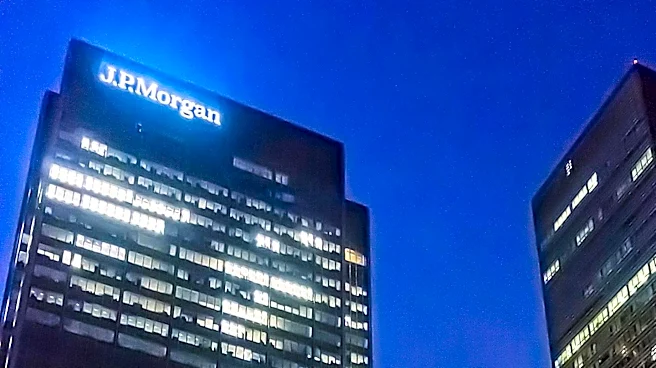
Analysts at JPMorgan also downgraded Klarna's rating from 'buy' to 'hold', citing the need for 'multiple quarters of clean execution' to regain investor confidence and close the valuation gap with its competitors. This move by Wells Fargo and JPMorgan suggests a broader trend of rationalization within the BNPL industry, as market participants re-evaluate the sector's growth prospects and financial stability. The BNPL model, which allows consumers to make purchases and pay in installments, has seen rapid expansion but is now facing increased scrutiny regarding its profitability and risk management.
Why It's Important?
This adjustment by Wells Fargo is significant for the financial technology (fintech) sector, particularly for companies operating in the 'buy now, pay later' space. A reduced price target from a major financial institution like Wells Fargo can influence investor sentiment and potentially lead to further re-evaluations of other BNPL companies. It highlights growing concerns about the sustainability and profitability of the BNPL business model, especially in a changing economic landscape. For consumers, a more rationalized BNPL market could mean stricter lending criteria or a shift in product offerings, potentially impacting access to this form of credit. For traditional financial institutions, this development might present opportunities to either acquire struggling BNPL firms or strengthen their own installment payment solutions, as the market seeks more stable and regulated alternatives.
What's Next?
The immediate future for Klarna will likely involve a concerted effort to demonstrate 'clean execution' and improve financial performance to regain investor trust. This could include streamlining operations, adjusting lending practices, or exploring new revenue streams. The broader 'buy now, pay later' sector may experience further consolidation or increased regulatory oversight as financial institutions and authorities assess the risks associated with these services. Investors will be closely watching Klarna's upcoming quarterly reports and strategic announcements for signs of recovery or continued challenges. The market will also be observing how other BNPL players adapt to these evolving conditions, potentially leading to a more mature and less volatile industry landscape.
Beyond the Headlines
The re-evaluation of Klarna and the BNPL sector by major financial players like Wells Fargo points to a deeper shift in how the market perceives high-growth, yet often unprofitable, fintech models. This trend could signal a move away from prioritizing rapid user acquisition at all costs towards a greater emphasis on sustainable profitability and robust risk management. It also raises questions about the long-term viability of business models heavily reliant on consumer credit in an environment of rising interest rates and potential economic slowdowns. The scrutiny on BNPL companies could also prompt a broader discussion about consumer debt, financial literacy, and the ethical implications of easily accessible credit, potentially leading to new industry standards or consumer protection measures.