




What's Happening?
Researchers from LG Energy Solution and Seoul National University have made significant progress in addressing gas buildup in lithium manganese-rich (LMR) batteries, a critical challenge for their use in large electric vehicle cells. Their findings, published
in a recent study, demonstrate a method to suppress gas generation, allowing optimized 40 Ah-class LMR cells to retain 92.2% of their initial energy after 883 charge-discharge cycles. The approach focuses on controlling how oxygen reacts within the battery during charging and discharging. By adjusting the cell's voltage range, specifically lowering the upper charging voltage from 4.6 V to 4.3 V and the discharge cutoff voltage from 3.0 V to 2.0 V, they improved oxygen recovery and reduced gas-generating reactions. This electrochemical protocol design, combined with a lower-temperature formation process, has shown to maintain stability in larger format cells, moving LMR technology closer to practical EV applications.
Why It's Important?
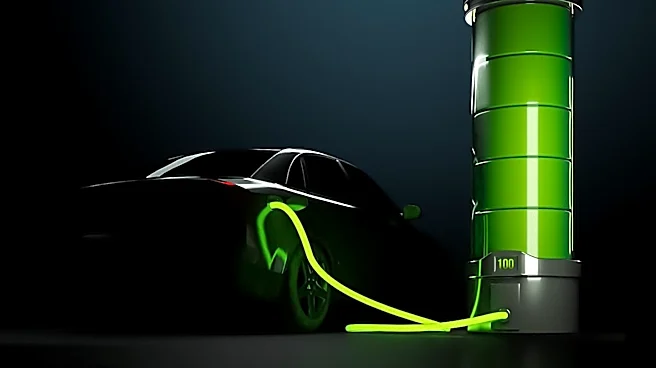
This advancement in LMR battery technology holds substantial importance for the U.S. electric vehicle industry and its broader energy sector. LMR batteries offer the potential for higher energy density and can reduce reliance on cobalt, a costly and ethically complex material, by utilizing manganese. This could lead to more affordable and sustainable EV batteries, accelerating the adoption of electric vehicles across the nation. Improved battery longevity and safety, by mitigating gas buildup, are crucial for consumer confidence and the long-term viability of EVs. For U.S. manufacturers, this research could open avenues for domestic battery production and innovation, reducing dependence on foreign supply chains. Furthermore, the enhanced stability and performance of LMR batteries could support the development of larger-format cells, essential for heavy-duty electric vehicles and grid-scale energy storage solutions, contributing to national energy independence and climate goals.
What's Next?
The next steps for this LMR battery technology will likely involve further scaling up the cell size and conducting extensive real-world testing in electric vehicles. Researchers will aim to validate the long-term durability and safety of these optimized batteries under various operating conditions. Collaboration between academic institutions and industry players, such as LG Energy Solution, is expected to intensify to translate these laboratory findings into commercially viable products. This could include pilot manufacturing programs and integration into prototype EV models. Regulatory bodies will also play a role in establishing safety standards for these new battery chemistries. The success of these efforts could lead to the widespread adoption of LMR batteries in the next generation of electric vehicles, potentially within the next five to ten years, impacting the entire EV supply chain from raw material extraction to end-user applications.
Beyond the Headlines
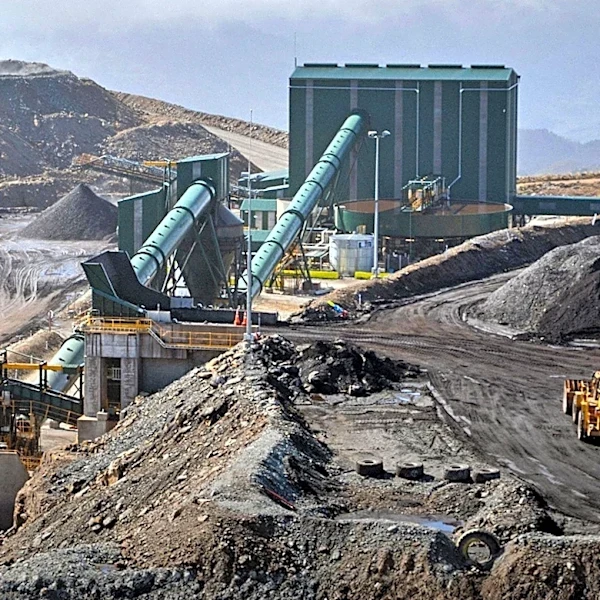
Beyond the immediate implications for electric vehicles, the success in controlling oxygen reactions within LMR batteries could have broader scientific and technological ramifications. This research highlights the potential of electrochemical protocol design to enhance battery performance and longevity without solely relying on material changes, suggesting a new paradigm for battery development. The insights gained into oxygen reversibility and degradation mechanisms could be applied to other battery chemistries, fostering innovation across the energy storage landscape. Ethically, reducing reliance on cobalt through manganese-rich alternatives addresses concerns about human rights and environmental impact associated with cobalt mining. Culturally, the continuous improvement in battery technology reinforces the societal shift towards sustainable energy solutions and electric transportation, influencing consumer behavior and infrastructure development. This scientific breakthrough underscores the ongoing global race for superior energy storage, with significant geopolitical and economic implications for nations leading in battery innovation.