


What's Happening?
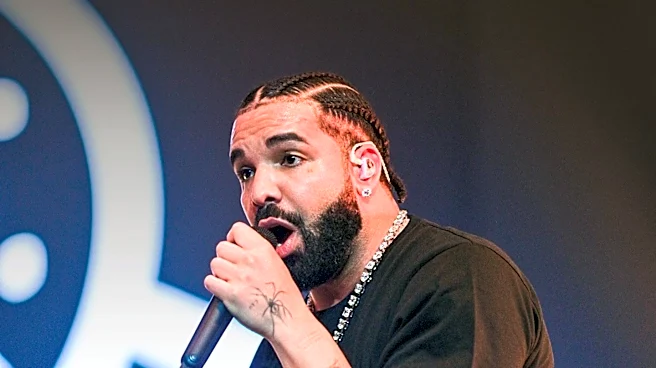
Adam22, during a podcast with Wack 100, claimed to possess a 'treasure trove' of unverified rumors concerning Kendrick Lamar but stated he would not disclose them due to lack of verification. Following this, DJ Akademiks commented on the situation, alleging
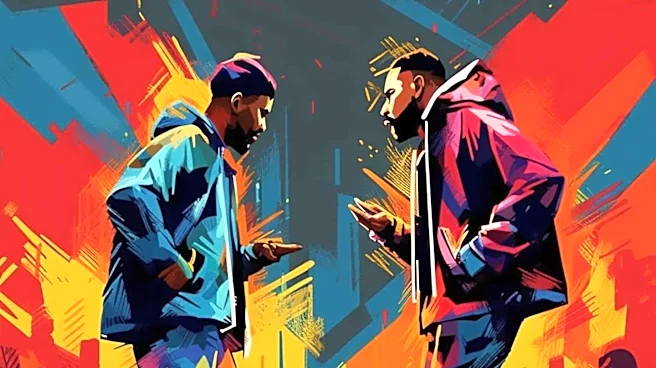
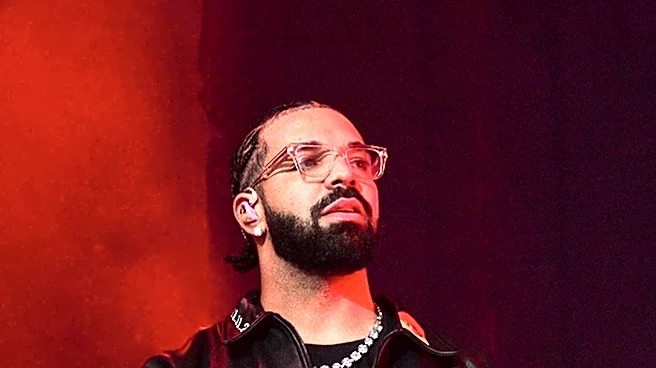
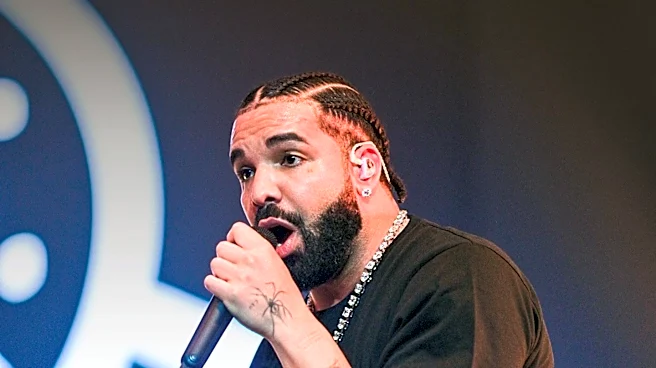
an old story about Lamar attempting to meet women in a studio. Akademiks acknowledged that the internet would likely not believe his story and did not name any individuals involved. Both Adam22 and DJ Akademiks were reportedly in New York City for Drake's 40th birthday party, where they were said to be gossiping. The dissemination of these unverified claims has led to significant public criticism, with many viewing the stories as unnecessary and purely for generating salacious headlines. Critics also suggest a potential 'Anti-Kendrick agenda' from Drake's associates, given the recent beef between the artists.
Why It's Important?
The spread of unverified rumors by prominent media personalities like Adam22 and DJ Akademiks highlights a growing concern within the entertainment and media landscape regarding journalistic ethics and the impact of unsubstantiated claims. This incident underscores how public figures can leverage their platforms to disseminate information that lacks factual basis, potentially damaging reputations and influencing public perception. For Kendrick Lamar, these rumors, regardless of their veracity, can create negative narratives that distract from his artistic work and personal life. The public backlash against Adam22 and DJ Akademiks also reflects a broader societal demand for accountability from media figures, particularly when their content veers into gossip and speculation rather than verified news. This situation also illustrates the competitive and often contentious nature of the hip-hop industry, where personal rivalries can spill over into public discourse through media channels.
What's Next?
The immediate aftermath of these rumors will likely involve continued public discussion and scrutiny of Adam22 and DJ Akademiks' journalistic practices. There may be further reactions from fans, other media personalities, and potentially from Kendrick Lamar's camp, though the source does not indicate any direct response from Lamar. The incident could prompt a reevaluation of how unverified information is handled on podcasts and social media platforms, potentially leading to increased pressure for hosts to exercise greater discretion. For Adam22 and DJ Akademiks, their credibility could be further impacted, depending on how they address the public's concerns. This event also serves as a reminder for audiences to critically assess the sources and veracity of information, especially in the fast-paced and often rumor-driven world of celebrity news.
Beyond the Headlines
This event touches upon deeper issues concerning the nature of celebrity, privacy, and the responsibilities of media influencers. In an era where social media and podcasts provide direct access to large audiences, the line between personal opinion, gossip, and factual reporting often blurs. The incident raises questions about the ethical obligations of those who wield significant influence over public opinion, particularly when discussing the private lives of others. It also highlights the 'cancel culture' phenomenon, where public figures face swift and severe consequences for perceived missteps or unethical behavior. Furthermore, the alleged 'Anti-Kendrick agenda' suggests a broader trend of weaponizing media platforms in celebrity feuds, turning personal conflicts into public spectacles. This can have long-term implications for how artists manage their public image and how media outlets navigate the pressures of sensationalism versus responsible reporting.