




What's Happening?
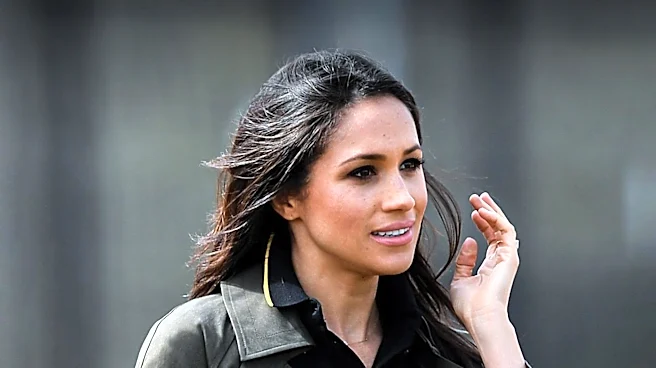
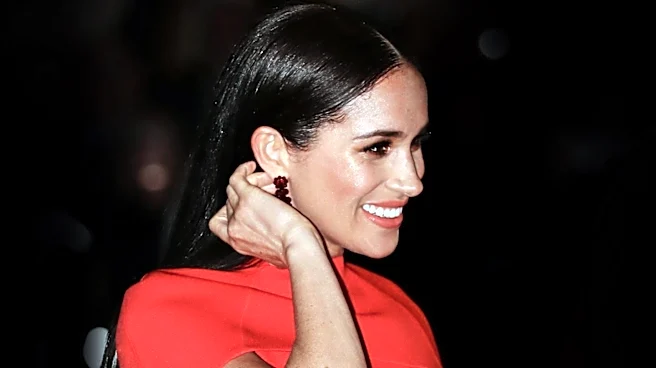
Meghan Markle, the Duchess of Sussex, is facing criticism for allegedly monetizing her public appearances, even those related to somber events. Following her attendance at the opening of the Lost Screen Memorial at the European Parliament, which honored
children who died by suicide due to online bullying, eagle-eyed observers noted that her outfit was promptly featured on her official OneOff profile. This platform, in which Meghan is an investor and active seller, allows the public to purchase items similar to those she wears. She reportedly earns an affiliate commission of 10 to 25% on sales made through her links. Critics on Reddit expressed outrage, with one fuming that 'Meghan Markle forgets the kids and merches her clothing online' hours after a sobering event. Another commenter highlighted the perceived hypocrisy, stating, 'It's so egregious how they don't donate money to the causes they support, but instead use those causes to make money for themselves as affiliate marketers.' This incident has intensified scrutiny over the Sussexes' approach to balancing public service with commercial ventures.
Why It's Important?
This situation is important because it underscores the ongoing tension between the public roles of royal figures and their private commercial interests, particularly for those who have stepped back from official duties. For the U.S., where Meghan Markle now resides and pursues various ventures, this scrutiny reflects broader public expectations regarding celebrity endorsements and ethical conduct. The controversy could impact her public image and the perception of her brand, potentially affecting future collaborations and philanthropic efforts. It also highlights the challenges faced by public figures in navigating the digital age, where every action can be instantly scrutinized and monetized. The debate over whether public appearances, even for charitable causes, should be linked to personal financial gain raises questions about authenticity and the potential for exploitation, influencing how other public figures and influencers manage their own brand and public engagements.
Beyond the Headlines
The controversy surrounding Meghan Markle's alleged monetization of public appearances delves into deeper ethical and cultural implications. It highlights the evolving nature of celebrity and influence, where personal branding often intertwines with public service. The criticism she faces reflects a societal expectation that charitable endeavors should be altruistic, free from direct personal financial benefit. This incident also touches upon the broader discussion of 'influencer culture' and the commercialization of personal image, even in contexts traditionally associated with dignity and public duty. The public's reaction suggests a strong desire for clear boundaries between genuine philanthropy and commercial enterprise, especially when dealing with sensitive topics like mental health and child welfare. This ongoing debate will likely continue to shape how public figures, particularly those with royal connections, manage their personal brands and engage with charitable causes in the future.