



What's Happening?
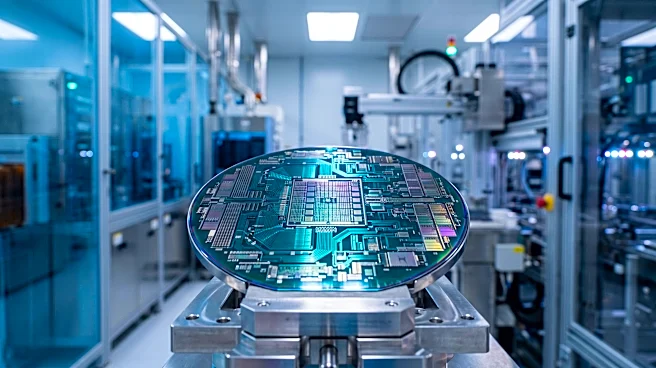
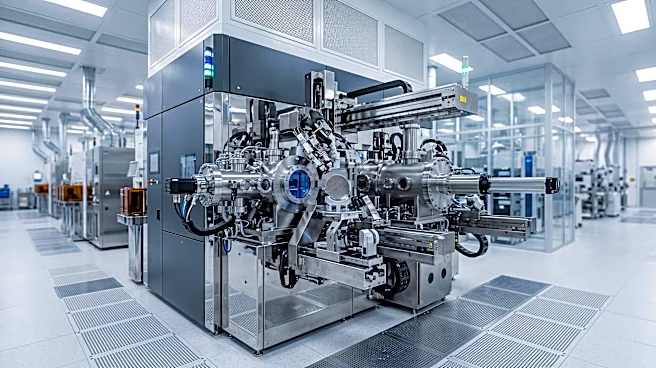
ASML, a leading manufacturer of advanced lithography systems, continues to hold a virtual monopoly in the production of machinery essential for creating the world's most sophisticated microchips. The company's extreme ultraviolet (EUV) lithography technology
is critical for every major chipmaker to produce smaller, faster, and more efficient processors. This unique technological position makes ASML a crucial gatekeeper for the high-end semiconductor market. In the 12 months ending September 30, 2026, ASML reported revenues of nearly $43.4 billion, marking an increase of approximately 22.5%. During the same period, the company generated about $14.8 billion in net income. This financial performance underscores the sustained demand for its EUV lithography systems, which are vital for advanced chip production used in artificial intelligence and high-performance computing applications. As of December 2025, ASML's balance sheet showed a current ratio of approximately 1.3 and a debt-to-equity ratio of roughly 0.2, indicating a strong financial position with relatively low debt.
Why It's Important?
ASML's dominant position in advanced lithography is of paramount importance to the U.S. technology sector and global economy. Its technology enables the production of cutting-edge semiconductors, which are the foundational components for virtually all modern electronic devices, from smartphones and computers to advanced AI systems and data centers. Without ASML's specialized equipment, the development and manufacturing of next-generation microchips would be severely hampered, impacting innovation and competitiveness in the tech industry. The company's strong pricing power, derived from its monopoly in EUV lithography, ensures consistent profitability with net margins often exceeding 30%. This financial strength allows ASML to invest heavily in research and development, further solidifying its technological lead and ensuring the continuous advancement of semiconductor capabilities. U.S. chipmakers and technology companies rely heavily on ASML's systems to maintain their competitive edge and meet the growing demand for high-performance computing, making ASML a critical, albeit indirect, contributor to U.S. economic and technological security.
What's Next?
The sustained demand for advanced microchips, particularly those used in artificial intelligence and high-performance computing, suggests a continued strong outlook for ASML. As global technology companies push the boundaries of computing power, the need for more sophisticated and efficient processors will only intensify, directly benefiting ASML. The company is expected to maintain its role as a critical supplier to major chipmakers worldwide, including those in the U.S., as they invest in expanding their production capabilities and developing next-generation chips. Future developments will likely focus on further refinements of EUV technology and potentially the exploration of even more advanced lithography techniques to enable the creation of even smaller and more powerful transistors. ASML's financial health, characterized by its low debt and robust free cash flow, provides it with the flexibility to pursue these innovations and respond to evolving market demands, ensuring its continued leadership in the semiconductor equipment industry.
Beyond the Headlines
ASML's near-monopoly in EUV lithography raises broader implications beyond its immediate financial success. Its unique technological control positions it as a geopolitical linchpin, particularly in the ongoing global competition for technological supremacy. Nations, including the U.S., recognize the strategic importance of semiconductor manufacturing and the critical role ASML plays in it. This has led to increased scrutiny and discussions around supply chain resilience and technological independence. The reliance on a single company for such a crucial component of modern technology presents both opportunities and vulnerabilities. While ASML's innovation drives progress, any disruption to its operations or supply chain could have cascading effects across the global technology ecosystem. This highlights the intricate interdependencies within the high-tech industry and the strategic value of specialized technological expertise in shaping future economic and geopolitical landscapes.