








What's Happening?
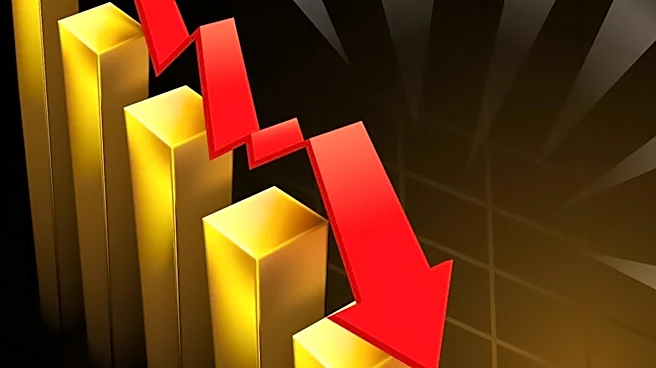
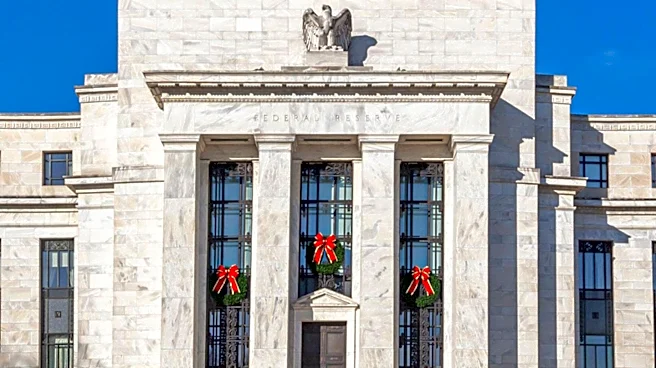
As of June 30, 2026, the gold market is experiencing its worst quarterly performance since 2013, primarily due to a strong U.S. dollar and expectations of Federal Reserve interest rate hikes. The price of gold has edged higher from a near seven-month
low but remains on track for a significant quarterly decline. The market is currently pricing in a 65% probability of a rate increase by the Federal Reserve in September, driven by higher energy prices and inflation concerns. This has led to a stronger dollar, which typically weighs on gold, a non-yielding asset. The focus is now shifting to upcoming U.S. employment data, including the ADP report and nonfarm payrolls, which are expected to provide further insights into the Federal Reserve's future rate path.
Why It's Important?
The potential rate hike by the Federal Reserve is significant as it reflects the central bank's response to inflationary pressures and economic conditions. A stronger dollar and higher interest rates can negatively impact gold prices, as gold is often seen as a hedge against inflation. This situation affects investors and traders who rely on gold as a safe-haven asset. Additionally, the broader economic implications include potential shifts in investment strategies and market dynamics, as stakeholders adjust to the changing interest rate environment. The outcome of the upcoming employment data will be crucial in shaping expectations for the Federal Reserve's monetary policy decisions.
What's Next?
The next steps involve closely monitoring the U.S. employment data releases, which will provide critical information on the labor market's health and influence the Federal Reserve's decision-making process. Market participants will be watching for any signals from the Federal Reserve regarding its monetary policy stance. Additionally, geopolitical factors, such as the ongoing conflict in the Middle East, could further impact energy prices and inflation expectations, thereby influencing the Federal Reserve's actions. Stakeholders, including investors, policymakers, and businesses, will need to adapt to these developments as they unfold.