






What's Happening?
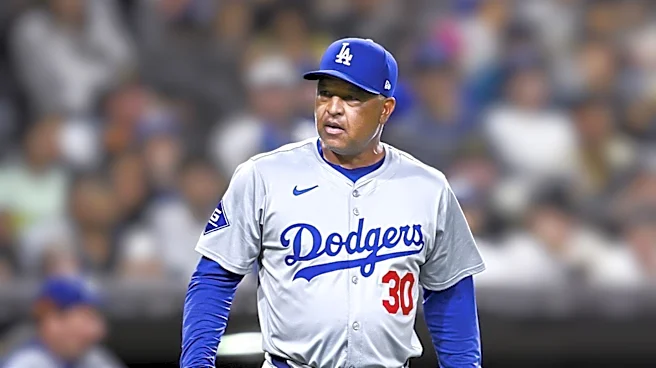
Los Angeles Dodgers manager Dave Roberts has publicly criticized his team's recent performance following a 6-2 loss to the Milwaukee Brewers. This defeat was significant as it cost the Dodgers a crucial tiebreaker in the race for home-field advantage
in the postseason. Roberts highlighted a period of 'four or five, six weeks of below average production in our offense' and stated that the team has not been playing 'clean baseball for quite some time,' attributing this to defensive issues. The Dodgers lost three out of four games in the series against the Brewers, who are now three games ahead in the National League's best record chase and hold the head-to-head advantage for playoff seeding. The team's struggles are evident in their 5-11 record over the past 16 games, including sweeps by the Boston Red Sox and Chicago Cubs, and series losses to the Arizona Diamondbacks and Brewers. Since July 1, the Dodgers have a record of 18-21, with their offensive issues particularly apparent in the final two games against the Brewers, where they scored only three runs on 11 hits and three walks.
Why It's Important?
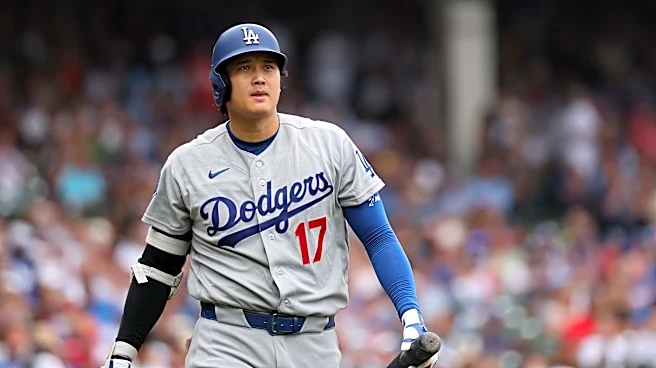
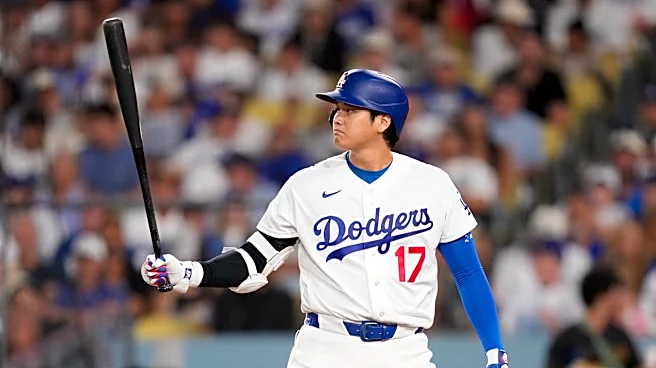
This public criticism from manager Dave Roberts underscores a significant slump for the Los Angeles Dodgers, a team that has been a dominant force in recent years, including back-to-back World Series championships. The loss of a crucial tiebreaker against the Milwaukee Brewers could have substantial implications for their postseason path, potentially forcing them to play more road games or face tougher opponents earlier. The team's offensive and defensive inconsistencies, as noted by Roberts, suggest deeper issues beyond individual player performance, pointing to a lack of a 'consistent plan of attack' and a failure to 'value every single pitch.' This downturn affects not only the team's immediate playoff aspirations but also raises questions about their ability to maintain their championship-caliber play. For fans and stakeholders, the team's current trajectory could impact viewership, merchandise sales, and overall morale, especially if their struggles continue into the postseason. The performance of key players, including Shohei Ohtani, has also come under scrutiny, indicating that even star power isn't enough to overcome fundamental team weaknesses.
What's Next?
The Los Angeles Dodgers will need to address their offensive and defensive shortcomings as they continue their season. Manager Dave Roberts expressed confidence that the team can get back on track, but emphasized that it will require 'hard work' to overcome their extended funk. Despite their recent struggles, the Dodgers still hold a seven-game lead over the San Diego Padres in the NL West, providing some cushion for their division title hopes. However, their focus will likely shift to improving their overall play to secure one of the top two spots in the National League, which would allow them to avoid the wild-card rounds. The team's ability to regain consistency at the plate and tighten up their defense will be critical in the coming weeks. Roberts hopes that the recent losses to the Brewers will not 'come back to bite' them in the playoffs, indicating the urgency of their current situation. The team's response to this period of underperformance will be closely watched by fans and analysts as they aim to solidify their position for a deep postseason run.
Beyond the Headlines
The Dodgers' current struggles, as highlighted by manager Dave Roberts, reveal a deeper challenge that even highly successful sports franchises face: maintaining peak performance and team cohesion over extended periods. The emphasis on 'clean baseball' and 'valuing every single pitch' points to a potential erosion of fundamental discipline and focus, which can be difficult to rectify mid-season. This situation also touches upon the psychological aspect of professional sports, where a team's collective mindset and individual player belief can significantly impact outcomes. The pressure on a team with a history of success and high expectations, like the Dodgers, can be immense, and a slump can quickly snowball if not addressed effectively. Furthermore, the impact of such a downturn extends beyond the field, potentially affecting player morale, team dynamics, and the perception of the coaching staff. The ability of the Dodgers to navigate this period of adversity will serve as a case study in sports management and team resilience, demonstrating whether their established culture of winning can overcome a significant dip in performance.