


What's Happening?
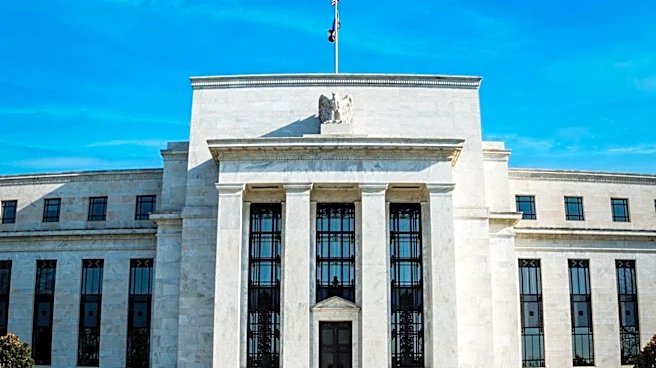
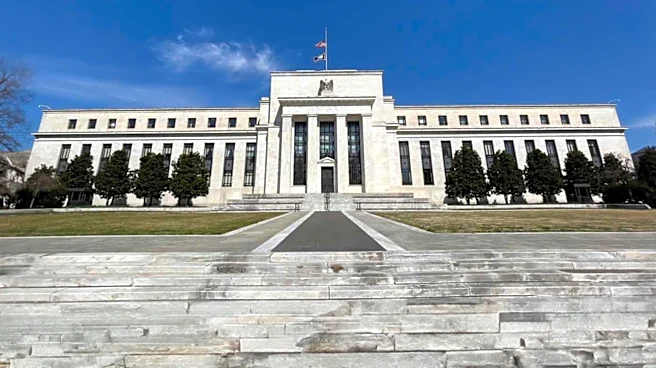
The Federal Reserve's Beige Book, a qualitative survey of economic conditions across its 12 districts, is set to be released today. This release occurs alongside other significant economic data, including the October PCE inflation report and the second
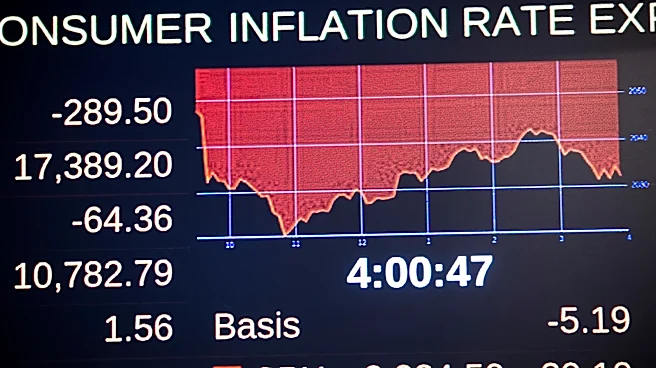
estimate of Q3 2026 GDP. Markets have largely priced in a 91% probability of a quarter-point rate hike at the Federal Reserve's December 9 meeting, according to CME Group's FedWatch tool. The focus has shifted from whether a hike will occur to what the data implies for the Fed's policy path beyond December. Fed officials, including Governor Christopher Waller and Dallas Fed President Lorie Logan, have indicated support for further tightening to control inflation, which remains above the Fed's 2% target. The September PCE reading showed headline inflation at 3.6% year-over-year, and a hotter-than-expected October CPI report previously pushed December hike odds higher.
Why It's Important?
The confluence of the Beige Book and other economic indicators is crucial for U.S. financial markets and stakeholders. Any language within the Beige Book indicating persistent price pressures or strong labor demand would reinforce the narrative for a December rate hike and potentially strengthen the U.S. dollar. Conversely, a softer PCE report could open the door for a pause in rate hikes after December, which would likely weaken the dollar and allow assets like gold to recover. The U.S. Dollar Index has already reached a 19-month high, reflecting market expectations of continued tightening. This environment impacts forex traders, gold investors, and the broader economy, as borrowing costs and investment decisions are directly tied to the Fed's monetary policy. The distinction between a single December hike and a prolonged tightening cycle into 2027 significantly affects asset prices and market sentiment.
What's Next?
Traders and analysts will closely scrutinize the Beige Book and today's economic data releases for clues regarding the Federal Reserve's future monetary policy. While a December rate hike is widely anticipated, the key uncertainty lies in the Fed's stance for 2027. A strong PCE print could lead to expectations of further rate increases beyond December, maintaining upward pressure on the dollar and downward pressure on gold and risk assets. Conversely, a softer PCE could lead to a more dovish tone from the Fed in its December statement, potentially signaling a pause after the upcoming hike. This scenario would likely result in a weaker dollar and a recovery for gold. The December 9 meeting statement will be critical for providing forward guidance, shaping market expectations for the remainder of the year and into early 2027.
Beyond the Headlines
The ongoing debate about the Federal Reserve's rate hike trajectory highlights a broader challenge in balancing inflation control with economic growth. The market's sensitivity to each data point underscores the interconnectedness of global financial systems, where U.S. monetary policy decisions ripple through international currencies, commodities, and equity markets. The potential for a 'buy the rumor, sell the fact' reaction to the December hike, where the dollar might pull back even after the expected increase, illustrates the complex psychological and technical dynamics at play in financial markets. This period of uncertainty also emphasizes the importance of clear communication from central banks to manage market expectations and avoid undue volatility, as stakeholders attempt to decipher whether the current tightening cycle is nearing its end or if further aggressive measures are on the horizon.