




What's Happening?
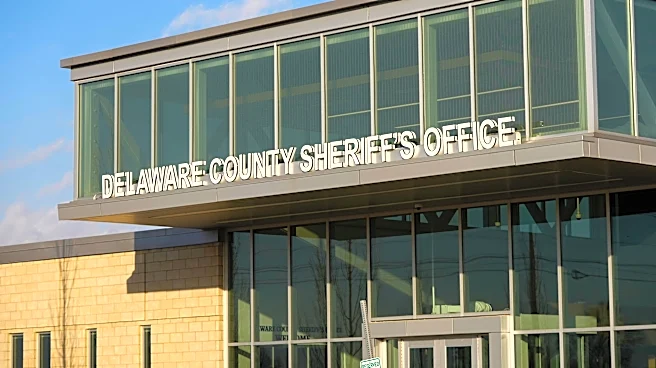
Live Nation, a major entertainment company, has acquired San Diego's 102-year-old Wonder Bread Building in the East Village and plans to transform it into a 4,000-person music venue. The property, located at 171 14th St., was purchased in late June for $16.8
million by PVVN, LLC, a Delaware-registered company confirmed to be Live Nation. The project involves preserving and rehabilitating the historic bakery portion of the site to serve as a box office, entrance, lobby, and bar. Live Nation also intends to construct a second-story premium level and demolish the southern section of the property to build a state-of-the-art, ballroom-sized attraction for concerts, comedians, and podcasts. The company is currently seeking permits from the city of San Diego, with the project scheduled for presentation to the Downtown Community Planning Council.
Why It's Important?
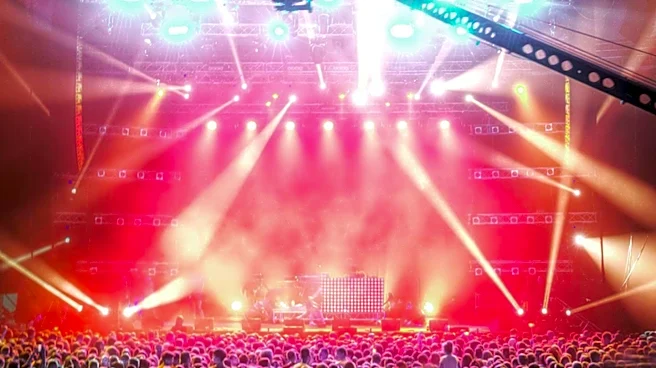
This development signifies a significant expansion of Live Nation's presence in the San Diego entertainment market and addresses a long-standing gap in the city's venue landscape. According to John Schalk, Live Nation's vice president for the San Diego market, the city lacks a modern, indoor venue with a 4,000-person capacity. This new venue will provide a crucial 'stepping stone' for artists who have outgrown smaller venues but are not yet ready for arena-sized crowds, allowing them to perform in San Diego more frequently. The project is expected to host 85 to 90 shows annually, boosting the local economy through increased tourism, job creation in the entertainment and hospitality sectors, and enhanced cultural offerings for residents. The preservation of a historic landmark also adds a unique cultural dimension to the project, blending heritage with modern entertainment.
What's Next?
Live Nation anticipates opening the new downtown entertainment venue in the fall of 2028. The project requires several city approvals, including a conditional use permit for live indoor entertainment, a neighborhood use permit for expanding a conforming structure and installing a theater marquee, and a neighborhood development permit for deviations from development regulations. The Downtown Community Planning Council will review the project, and a city hearing officer will eventually make a decision on the permits, which can be appealed to the Planning Commission. Construction will proceed following these approvals, focusing on both the preservation of the historic elements and the construction of the new performance spaces. The company aims to appeal to both history enthusiasts and live music fans with its design and offerings.
Beyond the Headlines
The conversion of the Wonder Bread Building into a music venue highlights a growing trend of repurposing historic industrial structures for modern cultural and entertainment uses. This approach not only preserves architectural heritage but also injects new life into urban areas, contributing to revitalization efforts. The project's emphasis on maintaining the building's historic facade and incorporating elements like the visible grain silo and barrel vaulted trusses demonstrates a commitment to respectful development. However, such projects often involve complex negotiations between developers, preservationists, and local communities, as seen with the forced exit of current tenants like Mission Brewing. The creation of a premium club, 'The Vinyl Room,' with elevated food options, also reflects a broader industry trend towards offering more luxurious and immersive experiences for concert-goers, catering to diverse consumer preferences and potentially setting new standards for entertainment venues in the region.