






What's Happening?
PayPal USD (PYUSD), a stablecoin issued by Paxos Trust Company, is designed to maintain a stable value, typically backed 1:1 by traditional currencies or equivalent assets. PYUSD specifically is backed by U.S. dollar deposits, short-term U.S. Treasuries,
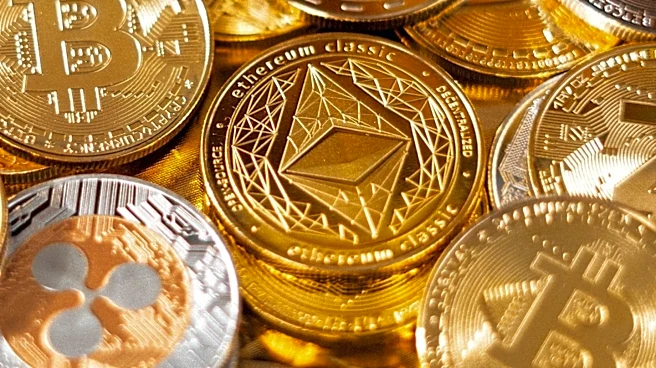
and similar cash equivalents. However, PayPal emphasizes that stablecoins, including PYUSD, carry inherent risks that users should fully understand. These risks include reliance on the issuer’s reserves, potential regulatory changes, and the possibility of value loss for the assets backing the stablecoin. Unlike traditional bank deposits, stablecoins are not risk-free or government-insured. PayPal advises users to review how reserves are managed and where they are held. The company also highlights other risks associated with Digital Payment Tokens (DPTs) in general, such as price volatility for non-stable DPTs like Bitcoin and Ether, liquidity and market risks, fraud, theft, operational risks, and custody risks if DPTs are held by a service provider.
Why It's Important?
PayPal's detailed disclosure of risks associated with PYUSD and other Digital Payment Tokens is crucial for consumer protection and market transparency in the rapidly evolving digital asset space. By explicitly stating that stablecoins are not government-insured and carry risks related to issuer reserves, PayPal is setting a precedent for responsible communication within the industry. This transparency helps educate potential users about the fundamental differences between stablecoins and traditional financial instruments, which are often backed by robust regulatory frameworks and insurance schemes. For U.S. consumers, understanding these risks is vital before engaging with digital payment tokens, as it directly impacts their financial security and investment decisions. This emphasis on risk also underscores the ongoing regulatory discussions surrounding stablecoins, particularly concerning reserve management and consumer safeguards, which could influence future policy decisions by U.S. financial authorities.
What's Next?
PayPal's proactive approach to risk disclosure for PYUSD may encourage other stablecoin issuers and digital asset platforms to adopt similar transparency measures. This could lead to a broader industry trend towards more comprehensive risk warnings and educational materials for users. Regulators, both in the U.S. and internationally, are likely to continue scrutinizing stablecoin operations, particularly regarding the composition and management of reserves. The emphasis on risks like regulatory changes suggests that the legal and operational environment for stablecoins is still evolving, and future legislative actions could introduce new requirements or restrictions. For consumers, increased awareness of these risks may lead to more cautious adoption of stablecoins and a greater demand for robust regulatory oversight and clearer consumer protections.
Beyond the Headlines
The detailed risk assessment provided by PayPal for PYUSD delves into the core challenges of integrating digital assets into the mainstream financial system. Beyond the immediate financial risks, there are significant ethical and systemic implications. The reliance on issuer reserves, without government insurance, places a heavy burden of trust on private entities, raising questions about financial stability in the event of a large-scale redemption or a crisis affecting the backing assets. This highlights the ongoing debate about whether stablecoins should be regulated more like banks or traditional payment systems. The mention of business conduct risks, such as conflicts of interest when a DPT service provider handles multiple activities, points to the need for robust governance and oversight mechanisms to protect consumers. This comprehensive risk disclosure is a step towards maturing the digital asset market, pushing for greater accountability and transparency, which are essential for the long-term viability and public acceptance of digital payment tokens.