
What's Happening?
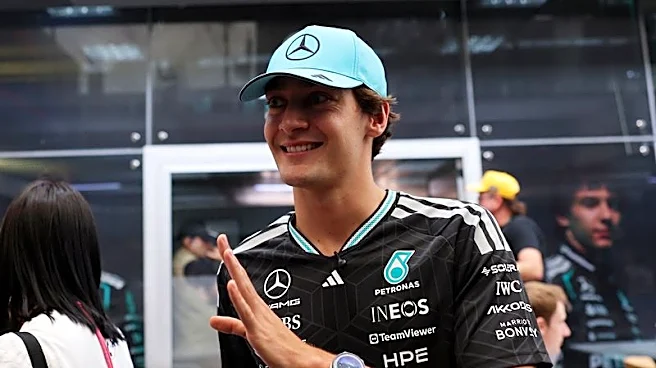
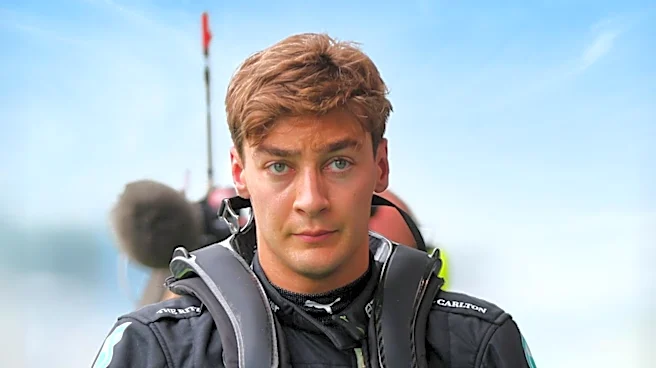
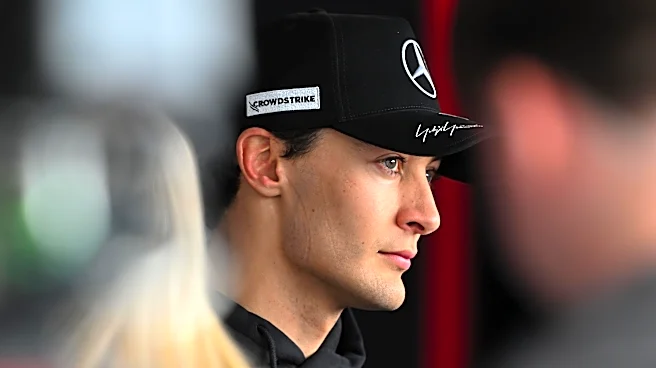
Mercedes driver George Russell is reflecting on a disappointing 2026 Formula 1 season, where he has slipped to fourth in the drivers' championship. Despite being a pre-season favorite, Russell has only
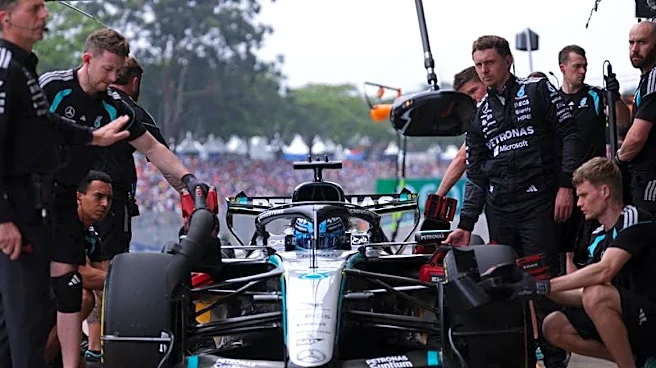
secured three victories compared to his teammate Kimi Antonelli's nine, with Antonelli clinching the championship. Russell attributes much of his struggle to a series of technical issues and what he describes as 'bad luck,' noting that he has had trouble-free runs in only six of the season's 20 races. He specifically mentioned a power unit derate in Mexico that cost him positions and an engine failure in Canada. Russell plans to conduct a 'deep, deep look in the mirror' to understand if any aspects of his performance or preparation could have contributed to these setbacks, while also urging Mercedes not to dismiss the problems as mere misfortune.
Why It's Important?
George Russell's candid assessment of his 2026 season highlights the immense pressure and scrutiny faced by top-tier athletes in competitive sports like Formula 1. His struggle, despite being a highly regarded driver, underscores the critical role of car reliability and team support in achieving championship success. The disparity in performance between Russell and his teammate, Kimi Antonelli, despite both driving for Mercedes, raises questions about internal team dynamics, car setup, and potentially, the allocation of resources or development focus. For Mercedes, Russell's repeated issues could signal underlying reliability problems with their W17 car, which, if not addressed, could impact their future competitiveness. This situation also offers a valuable case study in sports psychology, as Russell grapples with personal accountability versus external factors, demonstrating the mental resilience required to compete at the highest level.
What's Next?
Russell is committed to a thorough self-assessment and working with his team to identify the root causes of his consistent issues. He emphasized the need for Mercedes to delve deeper into the problems rather than attributing them solely to bad luck, suggesting a more rigorous engineering and operational review is necessary. Looking ahead to the 2027 season, Russell aims to return stronger, indicating that this challenging year will not define his career. The team's response to his call for a deeper investigation into the car's reliability and performance discrepancies will be crucial. This period of reflection and analysis will likely influence Mercedes' development strategies for future seasons, potentially leading to changes in car design, testing protocols, or even team structure to ensure both drivers have an equal opportunity for success.
Beyond the Headlines
The narrative of George Russell's 2026 season extends beyond mere race results, touching upon the psychological toll of relentless setbacks in a high-stakes environment. His decision to skip media duties after the Mexican Grand Prix, driven by profound disappointment, illustrates the emotional burden athletes carry. This situation also brings into focus the delicate balance between individual performance and team responsibility in motorsports. While Russell acknowledges the need for self-reflection, his insistence that the team not 'blame luck' points to a potential underlying tension regarding accountability for technical failures. This dynamic can have long-term implications for team morale and driver-team relationships. The ongoing quest for perfection in Formula 1, where marginal gains and reliability are paramount, means that every 'unlucky' incident is often a symptom of a deeper engineering or operational challenge that demands a comprehensive, rather than superficial, solution.