






What's Happening?
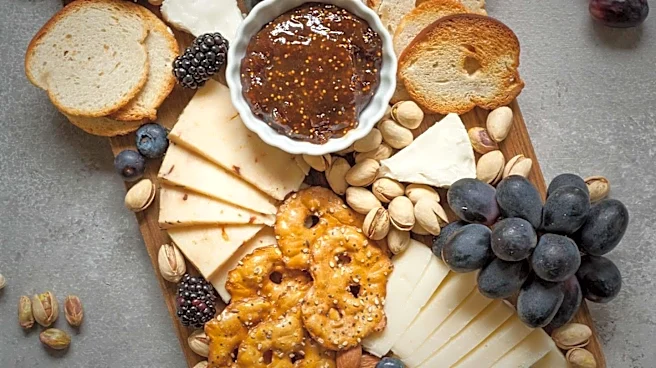
Billings Farm & Museum is organizing a Billings After Hours Charcuterie Workshop, offering participants the opportunity to learn how to assemble a cheese and charcuterie board. The workshop will emphasize the use of locally sourced ingredients, including
cheeses, cured meats, and seasonal produce. A key component of the event is a guided wine tasting session, designed to educate attendees on flavor pairings and various wine varieties that complement charcuterie. This hands-on experience aims to provide practical skills in food presentation and culinary appreciation, focusing on the quality and origin of ingredients. The event requires prior registration, indicating a structured and planned educational offering for the community.
Why It's Important?
This workshop is important for several reasons, primarily its support for local agriculture and businesses. By featuring locally sourced cheeses, cured meats, and seasonal produce, Billings Farm & Museum directly promotes regional producers, contributing to the local economy and fostering sustainable food practices. The emphasis on guided wine tastings also highlights local or regional wineries, further boosting related industries. For participants, the workshop offers a valuable educational experience, enhancing their culinary skills and appreciation for artisanal food. This initiative can also strengthen community ties by bringing people together for a shared learning experience centered around local products, potentially increasing demand for and awareness of local food systems. It represents a growing trend in experiential learning focused on food and beverage.
What's Next?
The immediate next step is the execution of the Billings After Hours Charcuterie Workshop, following the required registration process. Success of this event could lead to future similar workshops, potentially expanding to other culinary themes or incorporating different local products. The museum might consider offering advanced sessions or themed workshops based on seasonal availability of ingredients. Furthermore, the positive reception of such events could encourage other local institutions or businesses to host similar educational and community-building activities, further integrating local food systems into public engagement programs. Continued promotion of local sourcing could also influence consumer purchasing habits in the region.
Beyond the Headlines
Beyond the immediate culinary experience, this workshop taps into broader cultural and economic shifts. It reflects a growing consumer interest in food provenance, artisanal products, and sustainable consumption. The focus on 'design' in charcuterie suggests an aesthetic and creative dimension to food preparation, elevating it beyond mere sustenance to an art form. Ethically, promoting local sourcing reduces carbon footprints associated with food transportation and supports ethical farming practices. Culturally, such workshops can revive traditional food preparation methods and foster a deeper connection between consumers and their food sources. This trend also highlights the role of museums and cultural institutions in offering practical, lifestyle-oriented education, expanding their traditional roles to include community enrichment through culinary arts.