








What's Happening?
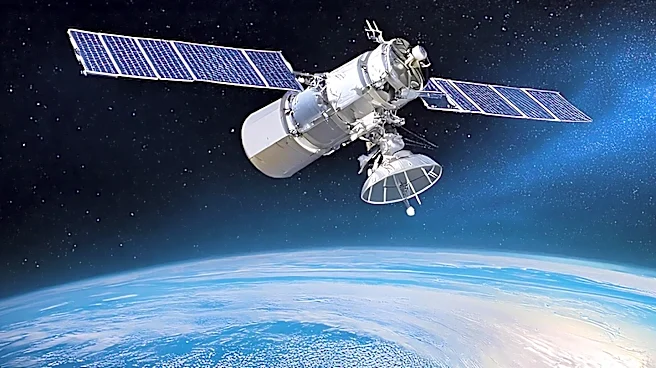
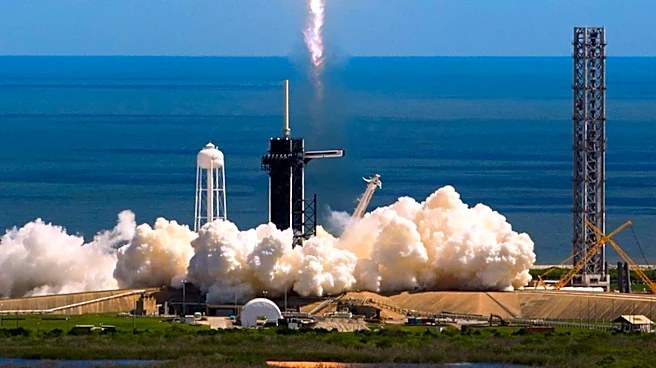
SpaceX launched 24 additional satellites for its Starlink network on July 25, 2026, from Vandenberg Space Force Base in California. The launch was carried out using a Falcon 9 rocket, marking the eighth flight of its first stage, Booster 1100. The booster
successfully landed on the droneship 'Of Course I Still Love You' in the Pacific Ocean. This mission increased the total number of active Starlink satellites to 10,865. The launch followed a successful test flight of SpaceX's Starship launch vehicle, which is part of NASA's Artemis III mission scheduled for next year.
Why It's Important?
The expansion of the Starlink satellite network is significant for global internet connectivity, particularly in remote and underserved areas. By increasing the number of satellites, SpaceX enhances its ability to provide high-speed internet access worldwide. This development is crucial for bridging the digital divide and supporting economic growth in regions lacking reliable internet infrastructure. Additionally, the successful deployment and landing demonstrate SpaceX's growing capabilities in reusable rocket technology, which could lower costs and increase the frequency of space missions.
What's Next?
SpaceX plans to continue expanding its Starlink network, with more launches expected in the coming months. The data collected from the recent Starship test flight will inform NASA's decision-making for the Artemis III mission, which aims to return humans to the Moon. As SpaceX progresses with its satellite deployments, it may face regulatory challenges and competition from other satellite internet providers. The company will need to address these issues while maintaining its technological advancements and service reliability.