
What's Happening?
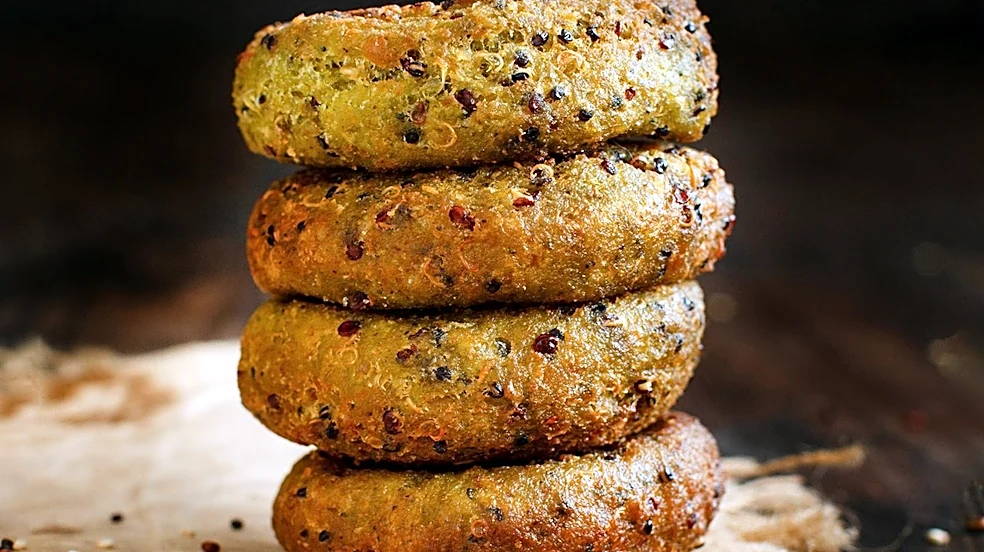
Food For Life Baking Co. has introduced organic sprouted bagels to its Ezekiel 4:9 bread line, responding to consistent consumer demand. These new bagels, available in original and 'everything' flavors,
are produced using the company's signature sprouting technique. This process is designed to enhance nutrition, aid mineral absorption, balance pH, increase digestibility, break down starches, and reduce the glycemic index. The bagels combine a variety of freshly sprouted grains and legumes, including wheat, barley, beans, lentils, millet, and spelt, resulting in a product that contains 18 amino acids, with half being essential. They are certified organic, non-GMO, kosher, and vegan, and are made without artificial preservatives, oils, or shortenings. The bagels are sold in four-count bags in the freezer sections of natural food stores and select supermarkets across the United States.
Why It's Important?
The launch of Food For Life's organic sprouted bagels is significant for the U.S. food market, particularly within the health and wellness sector. It addresses a growing consumer demand for nutritious, plant-based, and minimally processed food options. By offering bagels that are organic, non-GMO, and vegan, Food For Life caters to specific dietary preferences and health-conscious consumers. The emphasis on the sprouting technique highlights a trend towards ancient grains and traditional food preparation methods believed to offer enhanced nutritional benefits. This product introduction could influence other food manufacturers to innovate in the baked goods category, focusing on healthier ingredients and processing methods, thereby expanding choices for consumers seeking functional and wholesome food products in the U.S.
What's Next?
The introduction of these organic sprouted bagels is likely to further solidify Food For Life's position in the health-conscious food market. If successful, it could encourage the company to expand its sprouted product line to include other popular baked goods. Other food manufacturers may observe the market reception and potentially develop their own sprouted grain offerings to compete in this growing segment. Consumers can expect to see more innovation in the 'better-for-you' baked goods category, with an increased focus on ingredients that offer specific health benefits. The availability of these bagels in freezer sections suggests a strategy to reach a wider audience while maintaining product freshness, which could become a standard for similar niche products.
Beyond the Headlines
This product launch reflects a deeper cultural shift in the U.S. towards a more holistic understanding of health and nutrition. Consumers are increasingly scrutinizing ingredient lists and seeking foods that offer functional benefits beyond basic sustenance. The emphasis on 'sprouted' grains, 'organic,' and 'non-GMO' speaks to a desire for transparency and naturalness in food production. This trend challenges conventional food manufacturing practices and pushes the industry towards more sustainable and health-oriented approaches. The ethical implications revolve around ensuring that such health claims are genuinely backed by nutritional science and that consumers are not misled by marketing. It also highlights the growing market power of informed consumers who are willing to pay a premium for products aligned with their health values.