




What's Happening?
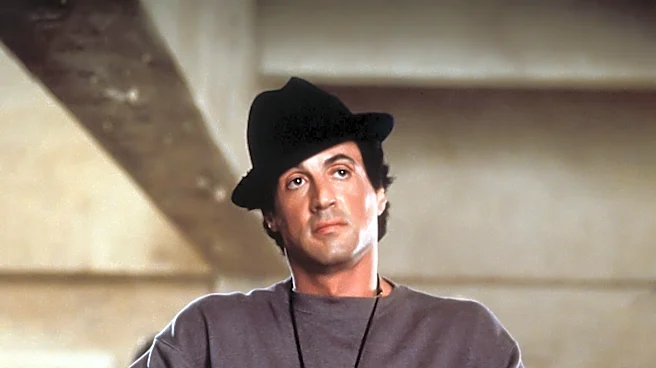
The film 'Rocky,' celebrating its 50th anniversary with remastered 4K screenings from November 7-11, is being recognized for its profound impact on American fitness culture. Premiering in 1976, the movie's iconic training montage, featuring Sylvester
Stallone's character, Rocky Balboa, performing exercises with minimal equipment in everyday settings, revolutionized perceptions of athletic preparation. Before 'Rocky,' cinematic portrayals of training often involved institutional settings, teams, and coaches. However, the film shifted this narrative, demonstrating that effective training could occur anywhere, with limited resources, emphasizing the work itself as the core story. This concept, that training is accessible and can be done alone, unwatched, and in challenging conditions, became deeply embedded in the American fitness psyche. The montage's influence is evident in the rise of the home fitness industry, the running boom, and the aesthetic of social media training footage.
Why It's Important?
The enduring legacy of 'Rocky's' training montage lies in its democratization of fitness, making it relatable and achievable for the average American. By showcasing a protagonist who trains without a coach, a dedicated facility, or expensive equipment, the film inspired a generation to view fitness as a personal journey accessible to all, regardless of economic status or access to traditional gyms. This cultural shift fostered a belief in self-reliance and perseverance, suggesting that dedication and effort, rather than resources, are the keys to success. The emphasis on frequency over complexity and bodyweight/aerobic work as a base, as depicted in the montage, aligns with modern adherence research, promoting sustainable long-term fitness outcomes. This redefinition of preparation as the meaningful part of the journey, often undertaken in solitude, has become a disposition that predicts the success of any training method.
What's Next?
The continued celebration of 'Rocky's' anniversary, including the release of 'I Play Rocky' on November 13, which details the making of the original film, will likely reignite discussions about its cultural impact on fitness. This renewed attention could further solidify the film's place as a foundational text in American fitness philosophy. The themes of accessible, self-driven training are particularly relevant in today's diverse fitness landscape, which includes home workouts, outdoor activities, and community-based fitness groups. The film's message of perseverance and the importance of the training journey itself, rather than just the outcome, will continue to resonate with individuals seeking motivation and a deeper meaning in their fitness pursuits.
Beyond the Headlines
Beyond its direct influence on fitness trends, 'Rocky's' montage subtly championed a broader cultural value: the romanticization of the underdog and the power of individual effort against overwhelming odds. The fact that Rocky loses the fight in the original film, a choice made by Sylvester Stallone against studio advice, underscores the idea that the true 'win' was in the preparation and the journey itself. This narrative element elevates the act of training from a mere physical endeavor to a profound act of self-improvement and resilience. The film's enduring popularity and the continuous stream of tourists climbing the Philadelphia Museum of Art steps, not for the art but for the symbolic act of emulation, highlight how deeply this disposition has permeated American culture, influencing not just fitness but also broader notions of ambition and success.