


What's Happening?
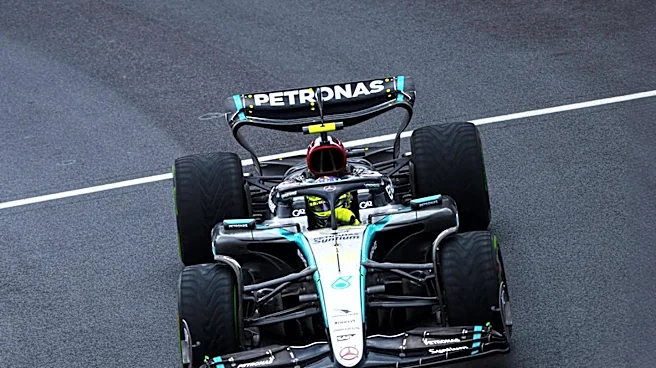
Lewis Hamilton, the Mercedes-AMG Petronas Formula One Team driver, expressed his views on a difficult Las Vegas Grand Prix, where he finished P7 after starting from P12. Hamilton stated that his car had 'great pace' during the race. A key point of contention
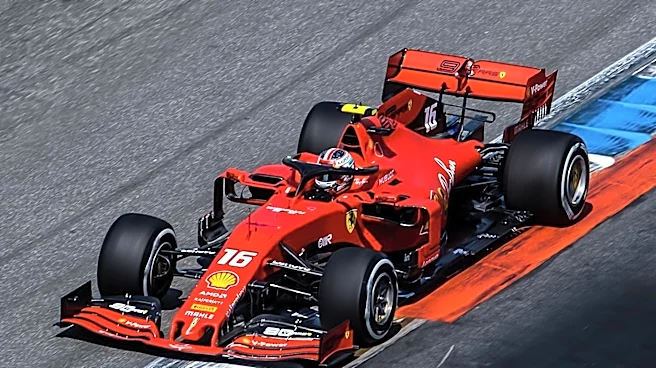
for him was a penalty he received for leaving the track while battling with Lando Norris, which he described as 'really harsh.' When questioned about contact with Ferrari driver Charles Leclerc during the race, Hamilton declined to comment, indicating it was a matter for his team to address. Despite the challenges, Hamilton believed a podium finish was within reach given the car's performance. The race saw various incidents and penalties that impacted the final standings for several drivers, including Hamilton.
Why It's Important?
This event is significant for Formula 1 as it highlights the competitive pressures and the impact of race stewards' decisions on driver performance and team strategies. Hamilton's comments about the 'harsh' penalty reflect ongoing discussions within the sport regarding consistency in officiating and track limits, which can significantly alter race outcomes and championship standings. For Mercedes, understanding the car's pace despite the P7 finish is crucial for future development and strategy, especially as they compete for constructor points. The incident with Leclerc, though not directly commented on by Hamilton, underscores the intense rivalries and close-quarters racing that define Formula 1, often leading to post-race analyses and potential team-level discussions about driver conduct and race incidents. Such events can influence team morale and public perception of drivers and teams.
What's Next?
Following the Las Vegas Grand Prix, the Mercedes team will likely conduct a thorough review of Hamilton's race, including the incident with Lando Norris that led to the penalty and the contact with Charles Leclerc. This analysis will inform their strategy for upcoming races and potentially lead to discussions with race stewards regarding penalty interpretations. Hamilton and his team will focus on optimizing car performance and strategy to convert strong pace into better finishing positions. The feedback from this race will be critical for technical adjustments and driver preparation for the remainder of the season. The broader implications for the sport may include continued scrutiny of race officiating and track limit rules, potentially leading to further clarification or adjustments in future Grand Prix events.
Beyond the Headlines
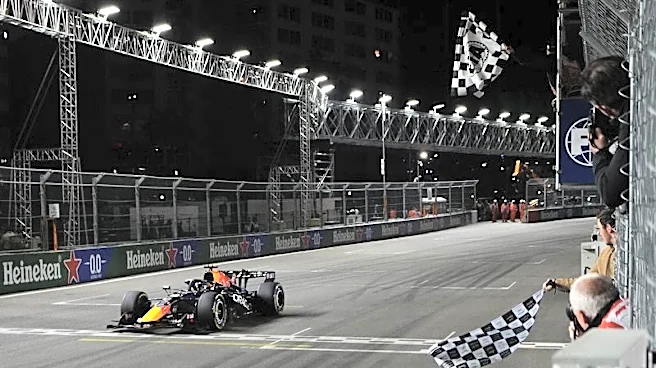
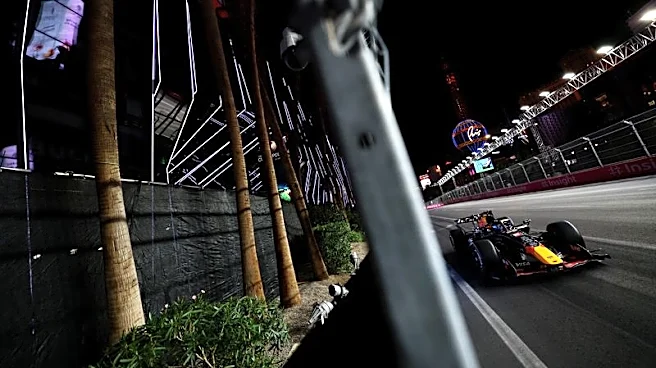
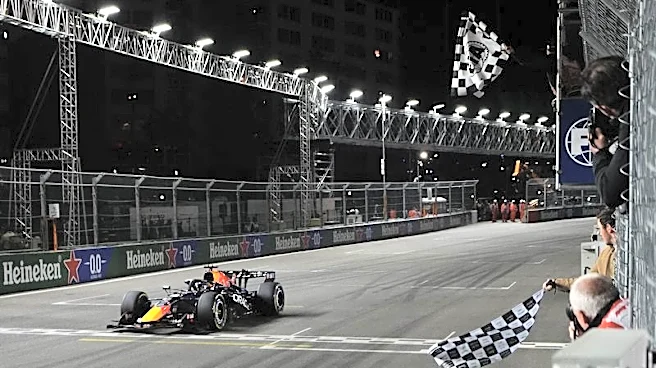
The Las Vegas Grand Prix, as a new and high-profile addition to the Formula 1 calendar, brings unique challenges and opportunities. Hamilton's experience, marked by strong pace but a disappointing finish due to penalties and incidents, underscores the fine margins in elite motorsport. Beyond the immediate race results, such events contribute to the narrative of a driver's season and legacy. The perceived fairness of penalties can also influence fan engagement and the sport's overall credibility. The incident with Leclerc, even without direct comment from Hamilton, fuels rivalries and adds layers to the competitive drama, which is a significant part of Formula 1's appeal. These moments often become talking points that shape public opinion and media coverage, extending the impact of a single race far beyond the checkered flag.