








What's Happening?
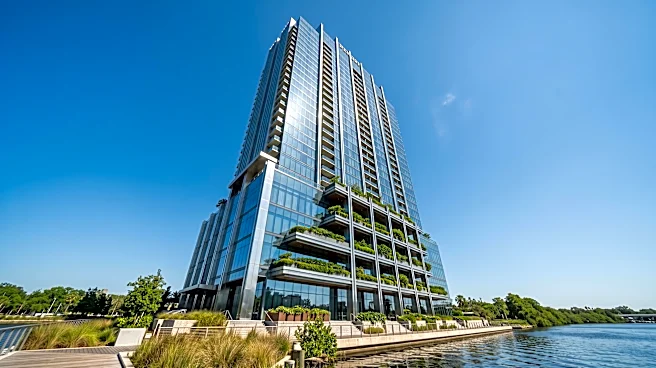
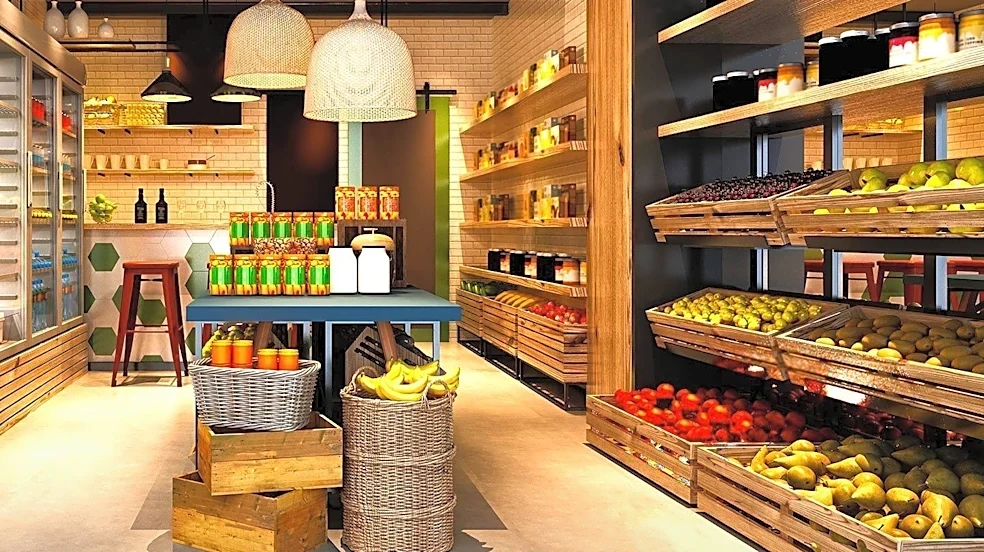
The Madison Valley PCC grocery store has officially opened its doors, marking the culmination of a decade-long development process. The project, which includes 82 residential units in The Arbory apartment building, faced significant opposition from neighborhood
groups concerned about the building's mass, traffic, parking, and environmental impact. Key compromises were made to secure approval, including redistributing the building's mass away from single-family zones, adding two-story townhome walk-ups, and incorporating dense landscape buffers. A crucial design alteration involved enclosing the loading dock within the building envelope along E Madison, addressing neighbor complaints about noise and traffic from an exposed outdoor bay. This change allowed the project to maintain the required 25,000-square-foot grocery footprint while mitigating livability objections. The new store is the 17th location for PCC, the largest consumer-owned food cooperative in the U.S., and employs approximately 75 unionized staff members.
Why It's Important?
The opening of the Madison Valley PCC is significant for several reasons. It represents a successful navigation of complex urban development challenges, demonstrating how developers and communities can reach compromises on large-scale projects. The project's resolution, particularly the enclosed loading dock, could serve as a model for future urban developments seeking to balance commercial needs with residential quality of life. For PCC, this new location expands its presence as a major player in the organic and ethically sourced food market, reinforcing its commitment to local agriculture and community values. The store's emphasis on organic produce, animal welfare, and fair labor standards aligns with growing consumer demand for sustainable and responsible sourcing. Furthermore, the creation of 75 unionized jobs contributes to the local economy and provides stable employment opportunities in the area.
What's Next?
With the Madison Valley PCC now operational, the focus will shift to how the implemented design compromises, particularly the enclosed loading dock and traffic management plans, perform in practice. The community will observe whether delivery schedules and truck movements effectively mitigate noise and congestion as intended. PCC will continue to integrate into the neighborhood, fostering partnerships with local social service and food organizations, as it has done prior to opening. The success of this project could influence future urban planning decisions in Seattle, particularly regarding mixed-use developments and community engagement strategies. Other developers might adopt similar design solutions to address neighborhood concerns, especially regarding logistical operations like loading and unloading in dense urban environments. The store's performance will also be a key indicator for PCC's future expansion strategies.
Beyond the Headlines
The Madison Valley PCC development saga highlights the intricate balance between urban growth, community preservation, and sustainable development. It underscores the power of local activism in shaping urban landscapes and the necessity for developers to engage in meaningful dialogue and compromise. The project's resolution reflects a broader trend in urban planning towards more integrated and less disruptive commercial operations within residential areas. Ethically, it raises questions about the responsibility of developers to consider the long-term impact of their projects on existing communities and the environment. Culturally, the opening of a PCC store, known for its community-oriented approach and emphasis on local and organic products, reflects evolving consumer values and a desire for businesses that align with social and environmental consciousness. This development could also influence local policy-making regarding zoning, design review processes, and community benefit agreements for future projects.