



What's Happening?
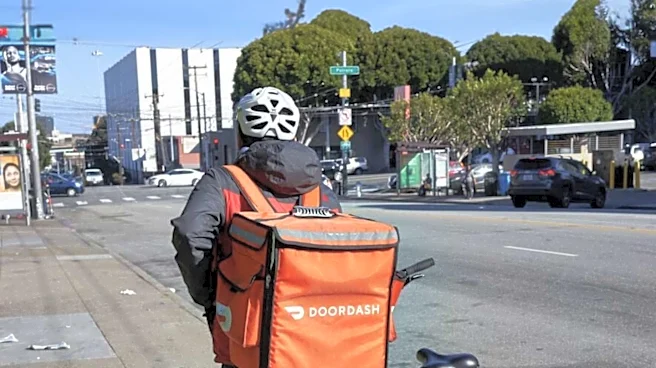
DoorDash is reportedly in advanced discussions to acquire Instacart for approximately $17 billion. While neither company has confirmed the negotiations, media reports suggest a deal could be announced as early as this week. This potential merger would
significantly impact the food-away-from-home (FAFH) business, further blurring the lines between traditional retail and restaurant delivery services. DoorDash, primarily known for restaurant meal delivery, has been rapidly expanding into grocery delivery. Instacart, while recognized for grocery delivery for home preparation, also facilitates orders for ready-to-eat and heat-and-eat items from its supermarket and convenience store partners. Instacart also acts as a fill-in distributor for restaurants and convenience stores, delivering supplies to bridge gaps until regular orders arrive. Last year, Instacart reported revenues of about $3.8 billion, compared to DoorDash's $13.7 billion. This development follows other significant shifts in the off-premise FAFH industry, including Walmart's expansion into delivering food from various restaurant chains and DoorDash's recent acquisition of Wonder's Campus Dining delivery operation.
Why It's Important?
A DoorDash-Instacart combination would create a dominant force in the U.S. delivery market, particularly in the food and grocery sectors. This merger would grant DoorDash greater scale in grocery delivery, leverage Instacart's extensive retailer relationships, and expand its customer base, enhancing its competitive position against major players like Amazon and Walmart. For consumers, this could lead to more integrated delivery options, potentially offering a wider range of goods from a single platform. However, it also raises concerns about market concentration and potential antitrust scrutiny in an already consolidated delivery landscape. For restaurants and convenience stores, the implications are mixed; while a larger platform might offer broader reach, it could also lead to less competition among delivery services, potentially affecting commission rates and service terms. The deal's reported valuation and the potential for added debt or equity dilution for DoorDash are also significant financial considerations for investors.
What's Next?
The immediate next step is the potential announcement of the acquisition, which could occur as early as this week, although terms may change or talks could cease. Following any announcement, the deal would likely face regulatory review, particularly regarding antitrust implications, given the significant market share of both companies. DoorDash's upcoming earnings report, expected on November 4th, may provide further insights into its financial capacity and acquisition strategies. If the merger proceeds, the integration of Instacart's operations into DoorDash will be a complex process, involving technology, logistics, and personnel. Competitors like Uber Eats and Grubhub will likely strategize to counter the increased market power of a combined DoorDash-Instacart entity, potentially through their own acquisitions, partnerships, or enhanced service offerings. The long-term impact on delivery fees for consumers and commission rates for merchants will also be closely watched.
Beyond the Headlines
This potential acquisition highlights a broader trend of convergence in the delivery sector, where companies are moving beyond their initial niches (e.g., restaurant food or groceries) to become comprehensive last-mile logistics providers for a wide array of goods. The blurring lines between retail channels and restaurants suggest a future where consumers expect to order virtually anything for delivery through a single app. This shift could redefine consumer habits, making on-demand delivery an even more integral part of daily life. However, it also brings ethical and legal considerations, such as data privacy with expanded customer information and the potential for reduced choice for merchants if a few dominant platforms control the majority of the delivery market. The integration challenges of such a large merger, including maintaining service quality and managing a diverse workforce of delivery drivers, will be critical to its success and could set precedents for future consolidations in the gig economy.