





What's Happening?
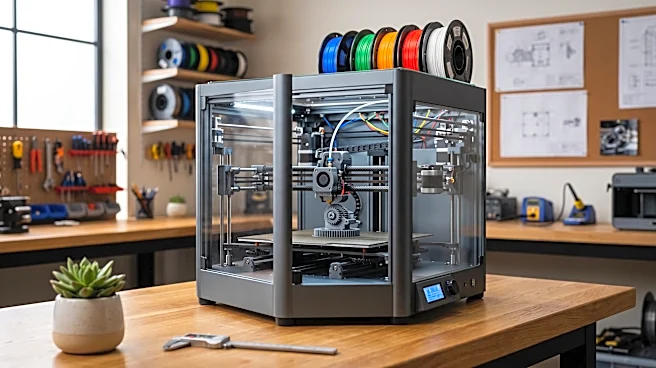
Bambu Lab, a Shenzhen-based company founded in 2020 by former DJI engineers, has launched its new P3C multi-material 3D printer. This release follows the earlier commercial launch of their H3C 3D printer. The P3C is positioned as a more affordable alternative
to the H3C, targeting everyday creators with a suggested retail price of $1,149 (excluding tax). The printer is built around a Swaptek 7-Tool changer, enabling six-second material swaps and multi-material, multi-color 3D prints. It comes pre-installed with five standard 1.75 mm PrintTools, with options for users to add two more tools, including a 2.85 mm PrintTool or craft tools like the CutTool, DrawTool, or DebossTool. The P3C integrates the AMS 3P Filament Management system, which stores up to seven spools, keeps filaments dry, and connects them to the printer. It also features a FlexFeed Extruder supporting both 1.75 mm and 2.85 mm filament, allowing for flexible materials like TPU. The system includes automated solutions such as full-auto calibration, AI Monitoring for issue detection, a Health Management System (HMS) for error identification, and a MiniWiki for troubleshooting.
Why It's Important?
The introduction of the Bambu Lab P3C is significant for the 3D printing market, particularly for hobbyists, schools, and small businesses in the U.S. By offering advanced multi-material capabilities at a more accessible price point, Bambu Lab is democratizing complex 3D printing technologies. This could lead to increased adoption of 3D printing for diverse applications, from full-color models and multi-flex wearables to hybrid parts that combine different materials and nozzle sizes. The P3C's ability to integrate various craft tools like cutting, drawing, and embossing expands its utility beyond traditional 3D printing, potentially fostering innovation in product design and rapid prototyping. The automated features, such as AI monitoring and simplified error reporting, reduce the technical expertise required, making advanced 3D printing more user-friendly and reducing barriers to entry for new users. This could stimulate growth in the maker community and small-scale manufacturing sectors across the U.S.
What's Next?
The Bambu Lab P3C is now available for order, indicating immediate market availability. The company's strategy to offer a more affordable tool changer suggests a continued focus on expanding its market share among everyday creators. Future developments may include further integration with its ecosystem, which already comprises the Bambu Studio slicer, Bambu Handy app, and MakerWorld model site. As users begin to adopt the P3C, there will likely be a growth in community-driven content, such as new print profiles, application ideas, and troubleshooting tips shared on platforms like MakerWorld. Bambu Lab may also continue to expand its Bambu Circle program, aiming to create local hubs to support entrepreneurs using their 3D printing technology for side hustles. The success of the P3C could influence competitors to develop more affordable multi-material solutions, driving further innovation and price competition in the consumer and prosumer 3D printer market.
Beyond the Headlines
The launch of the Bambu Lab P3C highlights a broader trend in the 3D printing industry: the move towards more integrated and user-friendly ecosystems. By designing its printers, slicers, apps, and cloud services to work seamlessly together, Bambu Lab is emulating the 'Apple-like' approach, which prioritizes user experience and reduces complexity. This strategy could lead to a more streamlined and less fragmented 3D printing workflow, making the technology accessible to a wider audience beyond experienced enthusiasts. The emphasis on multi-material and multi-color printing at an affordable price also signals a shift towards more functional and aesthetically diverse 3D printed objects, moving beyond single-color prototypes. This could have long-term implications for personalized manufacturing, custom product creation, and educational applications, fostering a new generation of designers and engineers who can leverage advanced additive manufacturing techniques with greater ease.