









What's Happening?
A new application, Mushroom Hunter & Forager, is available for mushroom enthusiasts, providing tools for identification and location logging. The app features an AI identifier capable of recognizing over 2,000 mushroom species offline, with an optional
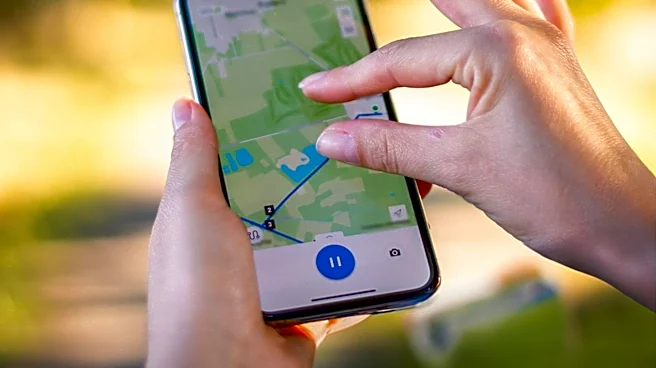
Premium AI Analyzer that expands this to nearly 3,000 species using a server-side database for higher accuracy. Users can log GPS coordinates of productive spots, attach photos, record species and quantities, and note weather and terrain conditions. This data helps build a personal foraging history, with the app sending reminders based on past successful seasons. The application also includes offline navigation capabilities, allowing users to download maps and track their position without cell service, which is beneficial in dense forest canopies. A built-in library of edible and poisonous fungi is available offline, detailing key identifiers like cap shape, gill structure, and spore prints. The app emphasizes privacy, requiring no account and keeping all data on the user's device, with options to export and back up data. It also facilitates group foraging with real-time location sharing and a secure messenger.
Why It's Important?
This application is significant for the growing community of mushroom foragers in the U.S., offering advanced tools that enhance safety, efficiency, and knowledge. By providing offline identification and navigation, it addresses critical challenges faced by foragers in remote areas where internet access is limited. The AI identification feature can help reduce the risk of accidental consumption of poisonous mushrooms, a common concern for both amateur and experienced foragers. The ability to log and track successful foraging spots over time allows users to build a valuable personal database, improving their success rates in subsequent seasons. This could also contribute to a more systematic approach to foraging, potentially leading to better understanding of local mushroom populations and their habitats. The privacy-first approach may appeal to users concerned about data security and personal location tracking, fostering trust and wider adoption within the community. Furthermore, the social features could encourage collaborative foraging and knowledge sharing among enthusiasts.
What's Next?
The continued development of the Mushroom Hunter & Forager app will likely focus on refining its AI identification accuracy and expanding its database of mushroom species. Future updates might include more detailed ecological data integration, such as soil type or tree associations, to further assist foragers in predicting mushroom locations. The app could also explore partnerships with mycological societies or educational institutions to provide verified information and resources. As the user base grows, there may be opportunities for community-driven data collection, where users contribute to mapping mushroom distributions, provided privacy concerns are maintained. The integration of advanced mapping features, such as topographical overlays or satellite imagery, could also enhance navigation capabilities. Additionally, the app might introduce features for tracking mushroom growth cycles or environmental factors that influence fruiting, offering more predictive insights for foragers.
Beyond the Headlines
The rise of sophisticated foraging apps like Mushroom Hunter & Forager reflects a broader trend of integrating technology with traditional outdoor activities. This development has implications for citizen science, as aggregated, anonymized data from users could potentially contribute to ecological studies on fungal biodiversity and distribution, especially in the face of climate change. The emphasis on privacy in such apps also highlights growing consumer demand for control over personal data, even in niche applications. Ethically, the app could raise discussions about sustainable foraging practices; while it helps users find mushrooms, it also implicitly encourages more people to forage, necessitating educational components on responsible harvesting to prevent over-picking and habitat damage. Legally, the app's identification features could face scrutiny regarding liability if a user misidentifies a mushroom based on the app's suggestions and suffers adverse effects, underscoring the importance of disclaimers and user education on verifying identifications. Culturally, such tools can help preserve and modernize the practice of foraging, connecting new generations with nature and traditional food sources.